
How To
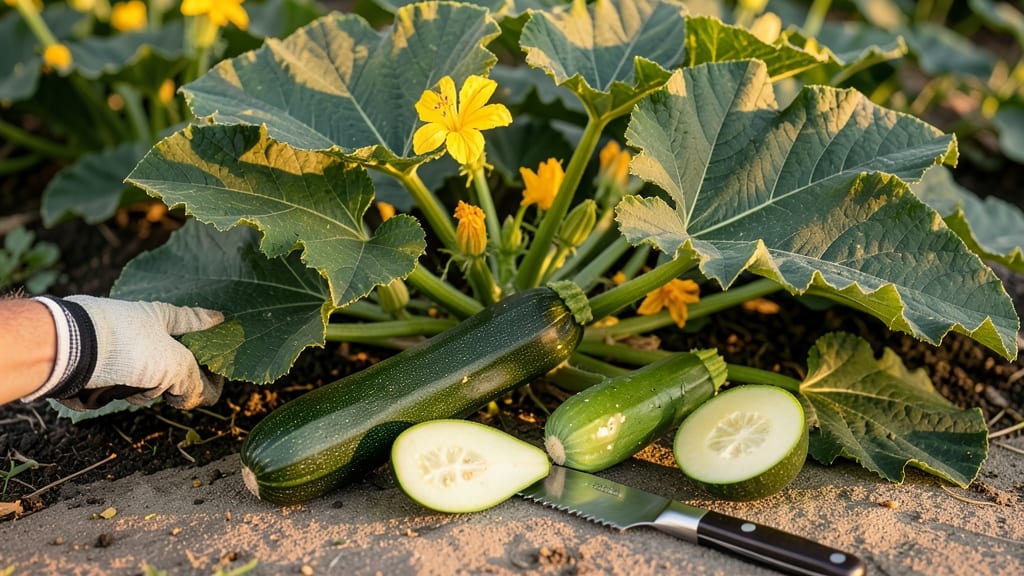
How to know if zucchini is ripe can transform your garden into a bountiful source of tender, flavorful veggies—if you time it just right. That perfect window between mealy and seedy is narrower than you think, and missing it means tough, bitter squash instead of the buttery slices you crave.
I’ve spent years watching my 🥒 plants grow, and the secret isn’t just waiting for size—it’s about three simple tactile tests that tell you the truth.
Whether you’re a first-time gardener or a seasoned green thumb, these tricks will help you pick zucchini at peak freshness every time, no guesswork required.
From the way the skin feels under your thumb to how the stem separates, these cues work for both green and yellow varieties. We’ll also cover what happens if you harvest too early or too late, so you can avoid common mistakes that waste your hard work.
By the end, you’ll know the perfect moment to snip that zucchini—just as it’s ready to shine in your favorite recipes. Let’s make sure your garden delivers the best flavor, every harvest.
3 Tactile tests to determine zucchini ripeness (without guessing)
Zucchini ripeness isn’t just about size—it’s about texture, weight, and stem behavior. Mastering these three foolproof tactile tests ensures you harvest at peak tenderness, avoiding the woody, seedy disappointment of overripe squash or the bland, underdeveloped flavor of premature ones.
First, focus on the skin’s resistance. A ripe zucchini’s skin should yield slightly when pressed with your thumbnail—like pressing a ripe avocado. If it springs back, it’s too early; if it dents deeply, it’s past its prime.
This test works because cellulose stiffens as starch converts to sugar during ripening.
Next, examine the stem’s separation point. Twist the zucchini gently at the stem—ripe ones detach cleanly with minimal resistance. A stubborn stem means it’s not ready, while a mushy base signals overripeness.
This stem test mirrors how grocery stores check produce freshness, but you’re doing it right in your garden.
Skin Texture Test
Press with thumbnail—ripe zucchini yields slightly. Too firm = underripe; too soft = overripe.
Stem Separation Test
Twist gently—ripe zucchini detaches cleanly. Resists = not ready; mushy stem = overripe.
Weight & Size Check
Hold in hand—ripe zucchini feels heavy for size (6–8 inches). Lightweight = underdeveloped.
Weighing your zucchini in your hand is the final tactile check. A ripe one feels surprisingly heavy for its size—think of a 6–8 inch squash weighing nearly a pound.
This density comes from water content peaking at the ideal harvest window. If it feels hollow or lightweight, it hasn’t matured enough.
Timing matters too: morning harvests yield the freshest results because zucchini loses moisture overnight. Grab your sharp pruners or knife, cut just above the stem (leave a 1-inch stub), and you’ll encourage the plant to produce more zucchini—a gardener’s dream!
Pro tip: Harvest every 2–3 days during peak season (July–September) to stay ahead of ripening. Overlooking this leads to exploding zucchini—yes, they literally burst if neglected! 🥒
For yellow varieties, watch for a creamy hue at the blossom end, but rely on these tactile tests first—they’re universal across all zucchini types. Now grab your gloves and get testing!
3 Tactile tests to determine zucchini ripeness (without guessing)
Zucchini ripeness isn’t just about size—it’s about texture, weight, and stem cues that reveal peak flavor and tenderness. I’ve learned to trust these three simple tests over guessing, and they’ve saved me from both underripe, bitter squash and overgrown monsters.
The secret? Combining visual clues with physical feedback from your hands.
First, check the blossom end (the stem end) for color. A ripe zucchini will show a yellow or white blossom end, while unripe ones stay green. This color shift signals the zucchini has reached its sugar peak.
Pro tip: If the blossom end is still green, wait 2-3 days before checking again—patience pays off with sweeter results.
- 🤏 Thumbnail Test: Press gently—ripe skin gives slightly but doesn’t dent
- ✂️ Stem Twist: Skin separates cleanly when twisted (no fibrous resistance)
- 🌡️ Weight Check: Heavy for size = water-rich, flavorful flesh
The thumbnail test is my go-to for instant feedback. Press your thumbnail into the zucchini’s skin—if it leaves a slight dent but doesn’t puncture, it’s prime. Overripe zucchini will dent deeply, while underripe ones feel firm and unyielding.
I’ve found this works best on the middle section of the squash, where the skin is thickest and most consistent.
Next, examine the stem separation. Gently twist the zucchini at the stem—ripe ones release easily with a clean break, while unripe ones resist. This test reveals the plant’s natural detachment point, which aligns with the zucchini’s maturity.
I always use a sharp knife to cut just above the break line to avoid damaging the plant’s energy flow to future fruits.
Finally, lift the zucchini—ripe ones feel heavy for their size, indicating high water content and sweetness. A light zucchini often means it’s underripe or lacking moisture. I weigh mine in my hand (literally!) against a ripe one I’ve already harvested as a reference.
This tactile method works even in low light when color checks fail.
Mastering these tests takes practice, but once you’ve handled 10 ripe zucchini, your hands become your best tool. The key is consistency—check your zucchini every 2-3 days during peak season (July-September) to catch them at their sweetest.
Overripe zucchini can still be used, but their seedy cores and tough skin make them less versatile in the kitchen.