
How To
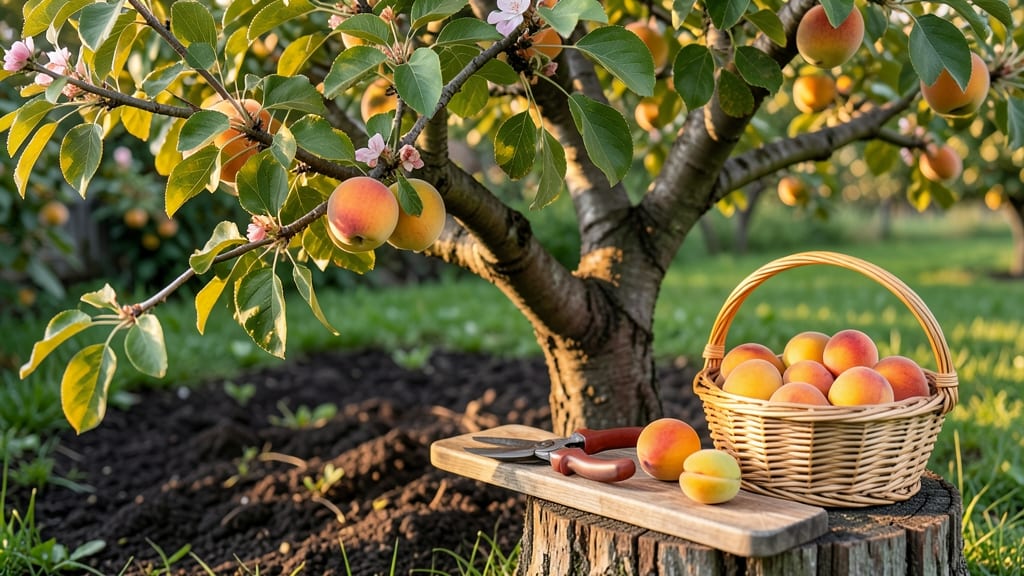
How to know when apricots are ripe can turn a disappointing harvest into a sweet, juicy victory—here’s how to spot the perfect moment in just a few seconds. 🍑 Whether you're a seasoned gardener or a first-time grower in USDA Zone 6a, these simple cues will save you from picking fruit too early or too late.
Most people assume apricots ripen all at once, but the truth is they mature gradually. The key lies in combining visual cues—like that vibrant orange-yellow hue—and tactile tests, such as gentle pressure that yields slightly under your fingertips.
I’ll walk you through each step, so you never miss the ideal window between June and July.
Overripe apricots? They’ll feel mushy and fall apart, while underripe ones stay hard and pale. Learning these distinctions means you’ll harvest at peak flavor—no more mealy bites or wasted effort. Let’s break down the easiest way to tell when your apricots are ready to pick.
Once you master these techniques, you’ll not only enjoy fresher fruit but also extend its shelf life with proper storage tips. Ready to transform your harvest from guesswork to confidence? Let’s get started.


5 Visual and tactile signs your apricots are perfectly ripe
Picking apricots at the right moment transforms your harvest from bland to bursting with flavor. Unlike some fruits that ripen off the tree, apricots reach peak sweetness only when picked at the perfect stage.
The key lies in combining visual cues with gentle tactile tests—no fancy tools required, just your eyes and fingers.
Start by examining the fruit's color. Immature apricots often appear greenish-yellow, while ripe ones shift to a deep golden-orange hue. This color change signals the fruit’s sugars have fully developed. Look for uniform coloring across the entire apricot—uneven patches may indicate uneven ripening or sun exposure issues.
Texture is your next clue. Gently press the apricot with your thumb—ripe fruit should yield slightly to pressure (like a ripe peach) but not feel mushy. If it’s rock-hard, it needs more time on the tree. Overripe apricots will feel soft or wrinkled, often with a leathery skin texture that’s past its prime.
Don’t overlook the stem separation test, a foolproof method for determining ripeness. Grasp the apricot and twist gently—if it detaches easily from the tree with just a slight pull, it’s ready.
A stubborn attachment means it’s not quite ripe, while a broken stem signals overripeness. This test works best on warm, sunny days when fruit is at its peak.
The scent test is often underestimated but incredibly reliable. A ripe apricot releases a sweet, floral fragrance when held near your nose. If it smells neutral or sour, it’s not ready yet. Pro tip: Sniff near the stem end—that’s where the most concentrated aroma develops.
Now, let’s break down these signs into actionable steps for effortless apricot picking. Use this quick-reference guide to avoid common mistakes that lead to wasted harvests.
Look for deep golden-orange color. Avoid greenish or pale fruits.
Gently press—should yield slightly but not feel mushy.
Twist gently—should detach easily from the tree.
Sniff for sweet, floral aroma—neutral smells mean not ripe.
Cut one open—seeds should be fully brown and developed.
Timing your harvest matters too. Pick apricots on warm, dry mornings to preserve their quality. Avoid harvesting after rain or when the fruit is chilled, as this can cause bruising.
Once picked, store apricots at room temperature for 2-3 days to ripen further, or refrigerate for up to a week to slow the process.
Pro gardeners know that consistency is key—check your apricots every 2-3 days once they start changing color. A single overripe apricot can spoil the whole batch, so act quickly when you spot the perfect golden-orange hue and slight give.
Remember, apricots won’t ripen further once picked, so don’t wait too long. If you miss the window, they’ll become mealy and unappetizing. With these five tests, you’ll never second-guess your harvest again—just sweet, juicy apricots ready to enjoy or preserve!
🍑
Apricot ripening stages: what to look for before picking
Understanding the three key stages of apricot ripening helps you avoid picking too early or too late. Immature apricots are hard and green, while overripe ones shrink and split—neither is ideal. The sweet spot? A deep orange-yellow hue with just the right texture.
Start by checking for size consistency—ripe apricots grow to their full 1.5–2.5 inches in diameter. If they’re still small, they need more time on the tree. Next, examine the stem attachment: a ripe apricot will separate easily with a gentle twist, while unripe fruit clings tightly.
| Stage | Color | Texture | Stem Test | Action |
|---|---|---|---|---|
| Immature | Green or pale yellow | Firm, hard | Stays attached firmly | Wait 7–14 days |
| Partially Ripe | Light orange-yellow | Slightly soft | Resists slight twist | Harvest soon |
| Fully Ripe | Deep orange-yellow | Soft, slight wrinkles | Twists off easily | Pick immediately |
| Overripe | Dull, wrinkled | Mushy, splits | Falls off tree | Use for jam or compost |
Pro tip: Check the seeds—a ripe apricot’s pit should be fully brown inside. If it’s still white or green, the fruit needs more time. Avoid picking on hot afternoons, as the sun can make apricots overripe faster—opt for morning harvests when temperatures are cooler.
One common mistake? Assuming all apricots ripen at once. Trees often produce fruit in two waves, so monitor branches closely. If you miss the first batch, the second wave will follow 1–2 weeks later, giving you a second chance for a perfect harvest.
For storage tips, ripe apricots last 3–5 days at room temperature. To extend their life, store them in the fridge for up to 2 weeks—but eat them quickly, as they’ll soften faster once chilled. Overripe apricots make amazing jam, so don’t let them go to waste!