
How To
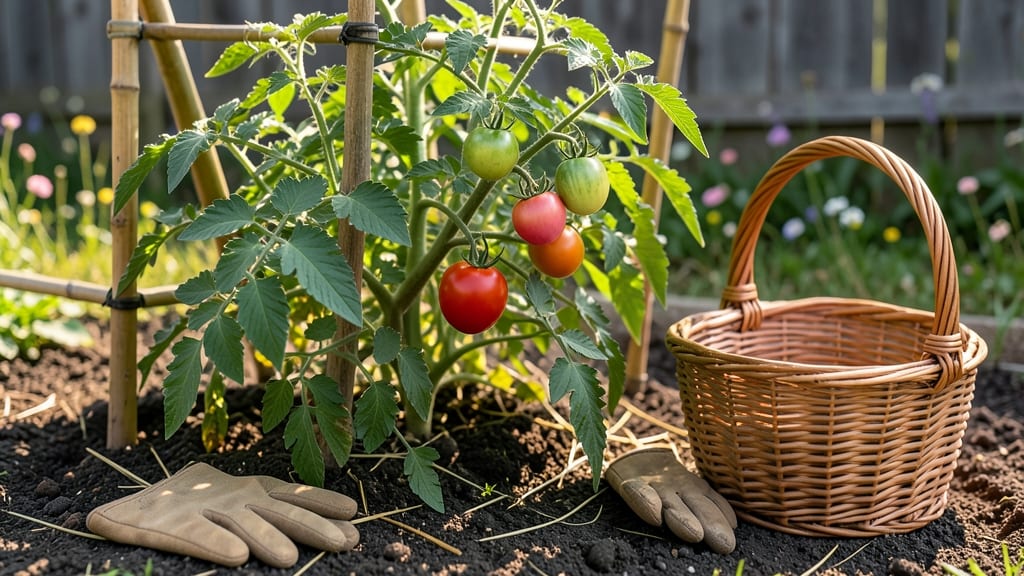
How to know if a tomato is ready to pick can make all the difference between a burst of sweet, juicy flavor and a meal of bland, underripe fruit. If you've ever plucked a tomato too soon—only to watch it turn mealy or rot on the vine—you know how frustrating it can be.
The good news? Determining ripeness isn’t rocket science. With a few simple checks—like color shifts, gentle pressure tests, and the all-important stem twist—you’ll never second-guess harvest time again. Whether you’re growing heirloom beauties or classic hybrids, these tricks work for Zone 6a gardens and beyond.
Let’s break down the three foolproof ways to tell when your tomatoes are begging to be picked. No more guesswork, no more wasted harvests—just perfect, vine-ripened flavor every time.
Ready to master the art of tomato harvesting? Grab a snack, step outside, and let’s get started.


5 Visual and physical signs your tomato is perfectly ripe
There’s nothing worse than biting into a tomato that’s underripe and mealy or overripe and mushy. The key to perfect tomatoes lies in knowing the visual and physical cues that signal peak ripeness.
These signs work for heirloom varieties (like Brandywine or Cherokee Purple) and hybrid types (such as Early Girl or Celebrity), though colors and textures vary slightly.
First, pay attention to the color transformation. Most gardeners assume ripe tomatoes are red, but that’s not always true. Heirloom varieties can ripen to yellow, orange, purple, or even striped patterns.
Look for a deep, consistent hue with no lingering green near the stem—this is your first clue that the tomato is ready.
Next, check the skin texture. A perfectly ripe tomato’s skin should feel slightly firm but yielding when gently pressed with your thumb. If it feels rock-hard, it’s underripe.
If it’s mushy or squishy, it’s past its prime. This gentle give is a dead giveaway that the sugars inside have fully developed.
Now, let’s talk about the stem test, which is one of the most reliable ripeness checks. When you gently twist the tomato at the stem, it should separate cleanly from the vine with minimal force.
If the stem resists or snaps off with a struggle, the tomato isn’t ready yet. This test is especially useful for cherry tomatoes and smaller varieties.
🌱 Tomato Ripeness
The stem twist test: why it’s the most reliable ripeness check
When it comes to determining if a tomato is truly ready to pick, the stem twist test is my go-to method. This simple trick saves me from harvesting tomatoes too early or too late—both of which can ruin flavor and texture.
The test works by gently twisting the tomato at its stem. If it separates cleanly from the vine, that’s your cue to harvest. This method is especially useful for heirloom varieties, which often ripen unevenly.
Why does this test work so well? A ripe tomato’s stem weakens as sugars and enzymes break down the cell walls, making it easier to twist off. If the stem resists and doesn’t snap, the tomato likely needs more time on the vine.
This method is foolproof because it combines physical readiness with the natural ripening process, rather than relying solely on color or size.
Here’s how to perform the test correctly: Hold the tomato between your thumb and forefinger, then twist gently near the stem. If the stem snaps cleanly and the tomato comes away without resistance, it’s ready.
If the stem bends but doesn’t break, or if the tomato resists entirely, leave it on the vine for another day or two. This test is particularly valuable for green tomatoes or those that change color slowly.
⚠️ Warning: Overripe Tomatoes
If a tomato passes the twist test but feels too soft or has shriveled skin, it may be overripe. Overripe tomatoes can split or develop a mealy texture, so harvest them promptly and use them in sauces or salsas where texture isn’t critical.
One common mistake is twisting too hard or pulling instead of twisting. Pulling can damage the vine or leave the tomato hanging unevenly, which can lead to rot. Always twist gently and let the tomato’s natural ripening process guide you.
For cherry tomatoes, the same rule applies, but their smaller size means you’ll need to be even more delicate with the twist.
This test is especially useful in late summer when tomatoes ripen quickly due to heat. If you’re growing in a greenhouse or container garden, where conditions can vary more dramatically, the stem twist test becomes even more reliable than visual cues alone.
It’s a quick, hands-on way to ensure you’re picking tomatoes at their peak.
Pro tip: Perform the twist test in the morning when tomatoes are cool and firm. Evening heat can make tomatoes feel softer, leading to false positives. Always harvest in the morning for the best results, and you’ll enjoy tomatoes at their absolute best.
The stem twist test: why it’s the most reliable ripeness check
When it comes to determining if a tomato is truly ready to pick, the stem twist test is my go-to method. This simple trick saves me from harvesting tomatoes too early or too late—both of which can ruin flavor and texture.
The test works by gently twisting the tomato at its stem. If it separates cleanly from the vine, that’s your cue to harvest. This method is especially useful for heirloom varieties, which often ripen unevenly.
Why does this test work so well? A ripe tomato’s stem weakens as sugars and enzymes break down the cell walls, making it easier to twist off. If the stem resists and doesn’t snap, the tomato likely needs more time on the vine.
This method is foolproof because it combines physical readiness with the natural ripening process, rather than relying solely on color or size.
Here’s how to perform the test correctly: Hold the tomato between your thumb and forefinger, then twist gently near the stem. If the stem snaps cleanly and the tomato comes away without resistance, it’s ready.
If the stem bends but doesn’t break, or if the tomato resists entirely, leave it on the vine for another day or two. This test is particularly valuable for green tomatoes or those that change color slowly.
If a tomato passes the twist test but feels too soft or has shriveled skin, it may be overripe. Overripe tomatoes can split or develop a mealy texture, so harvest them promptly and use them in sauces or salsas where texture isn’t critical.
One common mistake is twisting too hard or pulling instead of twisting. Pulling can damage the vine or leave the tomato hanging unevenly, which can lead to rot. Always twist gently and let the tomato’s natural ripening process guide you.
For cherry tomatoes, the same rule applies, but their smaller size means you’ll need to be even more delicate with the twist.
This test is especially useful in late summer when tomatoes ripen quickly due to heat. If you’re growing in a greenhouse or container garden, where conditions can vary more dramatically, the stem twist test becomes even more reliable than visual cues alone.
It’s a quick, hands-on way to ensure you’re picking tomatoes at their peak.
Pro tip: Perform the twist test in the morning when tomatoes are cool and firm. Evening heat can make tomatoes feel softer, leading to false positives. Always harvest in the morning for the best results, and you’ll enjoy tomatoes at their absolute best.