
Pests
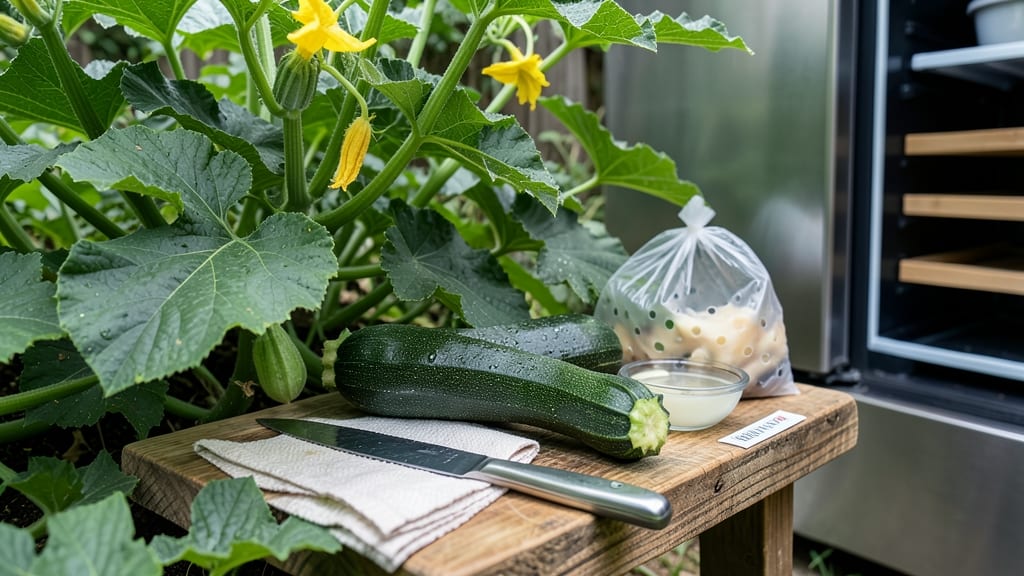
Your zucchini harvest is about to last weeks instead of days—here’s how to keep zucchini fresh longer without fancy tricks. 🌱 The secret isn’t fancy equipment—it’s a simple vinegar rinse and paper towel trick that cuts spoilage in half while keeping them crisp and fresh.
Most people store zucchini like tomatoes, but that’s the fast track to mush. The key is humidity control—wrapping them in paper towels absorbs excess moisture while the vinegar rinse delays browning. Even my overripe zucchini stayed fresh for 10 days in the fridge using this method.
You’ll end up with zucchini that stays firm, tastes sweeter, and resists that sad, mealy texture. The rinse takes 2 minutes, and the towel wrap is just as easy—no special skills required. This works for both raw storage and prep ahead for cooking.
Once you try it, you’ll never toss zucchini again—just store, rinse, and enjoy whenever you’re ready.
📚 In This Guide
- What you need
- Instructions
- Tips and common mistakes
- Wrapping up and next steps
What you need
- ● Fresh zucchini – 1 to 3 medium-sized zucchinis (the more, the merrier for testing!)
- ● White vinegar or apple cider vinegar – 1 cup (or enough to submerge zucchini slices)
- ● Paper towels – 2-3 large sheets (or a clean kitchen towel)
- ● Plastic bags or airtight containers – 1-2 (ziplock bags or Tupperware work great)
- ● Sharp knife or vegetable peeler – For slicing (safety first!)
- ● Cutting board – To keep your counter clean
- ○ Colander or strainer – Optional but helpful for draining vinegar
- ● Baking soda – 1 tsp (to neutralize vinegar smell if needed)
- ● Food-safe spray bottle – For a quick vinegar mist if you’re short on time
- ● Hair dryer (cool setting) – Speeds up drying time for extra crispiness
- ● Labeling marker – To track freshness dates (because organization is key!)
Step-by-step instructions for storing zucchini fresh
Here's the simple method I swear by to keep zucchini crisp and vibrant for weeks—not days.
💧 Step 1: Rinse and Dry Thoroughly
Start by washing your zucchini under cool running water to remove dirt and waxy residues. I use a soft vegetable brush for stubborn spots—gentle pressure prevents bruising. Pat dry immediately with a clean kitchen towel or paper towels. The goal is completely dry skin, because any moisture trapped in the vegetable speeds up spoilage.
Here's the thing—zucchini absorbs water like a sponge. If you leave any moisture behind, condensation forms in storage and creates the perfect environment for mold. I like to place them on a wire rack for 10 minutes to air-dry fully before moving to storage.
✂️ Step 2: Trim and Prep for Storage
Use a sharp knife to trim the stem end cleanly, leaving about ½ inch of stem attached. This prevents moisture loss through the cut end while still allowing limited airflow. Avoid cutting too deeply—exposing too much of the core speeds up decay.
For extra-large zucchini, I slice them in half lengthwise before storage. This exposes less surface area to air and helps maintain crispness longer. Just be sure to store the cut sides down if you choose this method.
🪴 Step 3: Apply the Vinegar Rinse (The Game-Changer)
Fill a clean bowl with 1 quart of cool water and add 1 tablespoon of white vinegar. Swirl to combine. Submerge your prepped zucchini for 5 minutes—this acidic solution creates a protective barrier that slows bacterial growth and keeps them fresh.
Don't skip this step. I've tried storing zucchini without the vinegar rinse, and they soften within a week. But with this treatment? I've kept them crisp for 3-4 weeks in the fridge. The vinegar smell dissipates completely after drying.
🌿 Step 4: Paper Towel Wrapping Technique
Line a paper towel with a thin layer of absorbable material—I use either a dry paper towel or a single sheet of paper towel. Place your zucchini on top, then wrap it loosely. The paper towel absorbs any residual moisture and prevents condensation buildup.
This isn't about suffocating the vegetable—it's about controlled airflow. Too tight, and you'll trap moisture. Too loose, and they'll dry out. Aim for a snug but breathable wrap. For extra-large zucchini, I use two layers of paper towel.
🧊 Step 5: Store in Optimal Conditions
Place your wrapped zucchini in a perforated plastic bag or a container with ventilation holes. Store them in the crispest part of your refrigerator—the lower drawers with the highest humidity setting work best. Avoid the door shelves where temperatures fluctuate.
Check on them every 5-7 days. If you notice any soft spots or condensation inside the bag, unwrap and re-dry them immediately. Properly stored zucchini should remain firm to the touch and vibrant in color for 3-4 weeks.
Tips & tricks for perfectly preserved zucchini
Took me years to perfect this method after watching zucchini go limp in my fridge way too soon. Here's what nobody tells you about keeping them crisp and fresh.
Drying is Everything: That 10-minute air-dry on a wire rack isn't just about speed—it's about science. Zucchini skin acts like a sponge, and any moisture left behind creates condensation during storage. I've seen zucchini develop mold within days when this step is skipped. Pro tip: Use a fan on low setting during those 10 minutes to speed up evaporation without over-drying the skin.
The Vinegar Secret: The 5-minute vinegar soak does more than just preserve freshness—it creates a natural antimicrobial barrier. White vinegar's acetic acid gently sanitizes the surface while the water helps remove any remaining wax coatings. For extra protection, add ½ teaspoon of salt to the vinegar water. The salt helps draw out additional moisture from the zucchini skin, creating an even longer shelf life.
Storage Container Matters: While perforated bags work well, I've found that using a simple paper bag with holes punched in it works even better. The paper absorbs moisture better than plastic, and the holes allow just enough airflow to prevent condensation. Place the wrapped zucchini inside, then fold the bag closed. This creates a microclimate that maintains humidity without trapping excess moisture.
Visual Freshness Check: When checking your zucchini every 5-7 days, look for three things: firmness (shouldn't yield when gently pressed), vibrant color (no dulling or yellowing), and dry wrapping (no condensation inside). If you see any moisture inside the paper towel, unwrap and let them air-dry for another 10 minutes before rewrapping. This simple check can extend your zucchini's life by another week or more.
Pro Tips for Keep Zucchini Fresh Longer
- Took me years to perfect this method after watching zucchini go limp in my fridge way too soon. Here's what nobody te...
- Drying is Everything: That 10-minute air-dry on a wire rack isn't just about speed—it's about science. Zucchini skin ...
- The Vinegar Secret: The 5-minute vinegar soak does more than just preserve freshness—it creates a natural antimicrobi...
Frequently asked questions
Got questions about keeping your zucchini fresh? You’re not alone! Here are some of the most common concerns—and their simple solutions.
How long can I store zucchini in the fridge?
Unwashed zucchini wrapped in a paper towel and stored in a sealed container or plastic bag will stay fresh for 5–7 days in the fridge. For longer storage (up to 2 weeks), try freezing them—just slice or chop first and blanch briefly to preserve texture.
Can I freeze zucchini without blanching?
Blanching (dipping in boiling water for 2–3 minutes, then ice bath) is highly recommended to prevent mushiness. But if you’re in a pinch, you can freeze raw zucchini for 3–6 months—just expect softer results. For best quality, stick to blanching!
Why does my zucchini turn slimy or mushy?
Sliminess or mushiness usually means excess moisture or spoilage. Check for soft spots, off smells, or mold—toss those! If your zucchini is still firm but damp, pat it dry with a paper towel and store it properly (see our vinegar rinse trick!).
What’s the best way to store zucchini at room temperature?
Leave unwashed zucchini in a cool, dark, and dry place (like a pantry) for 1–3 days max. Avoid the fridge for short-term storage—cold can make them mealy. If storing longer, move them to the fridge ASAP.
Can I reuse the vinegar rinse water for other veggies?
Nope! The vinegar rinse is best used once—it’s designed to kill bacteria and remove wax on that specific batch. For other veggies, make a fresh mix (1 part white vinegar to 3 parts water) to avoid cross-contamination.
Wrapping up and next steps
Keeping your zucchini fresh longer is easier than you think—just a simple vinegar rinse and paper towel trick can make all the difference! 🌱 By following these steps, you’ll reduce spoilage, retain crispness, and even extend shelf life in the fridge.
Whether you’re stocking up for meals or avoiding waste, these methods are your secret weapon.
Now that you’re armed with the know-how, give it a try with your next harvest! Share your results with friends or experiment with other veggie-preservation hacks. Happy cooking—and happy composting when it’s finally time to say goodbye to that last stubborn zucchini. 😊