
Pests
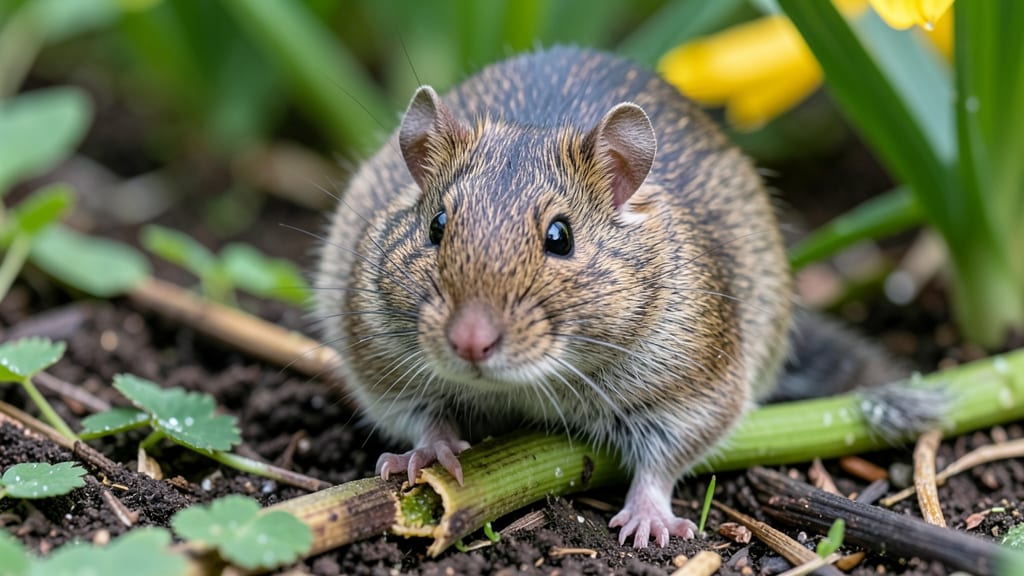
How to keep voles out of your yard—start with castor oil’s secret power as a natural repellent that actually works for months. The damage was devastating last winter when voles chewed through my prize-winning tulip bulbs. 🌱 Until I discovered this method, I relied on traps and toxic chemicals, but now there’s a simpler, safer solution: a barrier that makes your yard less appealing than the neighbor’s. This method targets voles’ natural instincts—they hate the taste and smell of castor oil. A single application creates a 3-inch-wide band around garden beds, tree bases, and foundation plants. The oil breaks down slowly, so you only need to reapply every 4-6 weeks or after heavy rain. By spring, you’ll see fewer tunnels, no gnawed stems, and bulbs that survive winter intact. The best part? It’s safe for pets, kids, and beneficial insects while keeping voles out for the season. Works in both vegetable gardens and ornamental landscapes. Here’s exactly how to set it up—no fancy tools required.
📚 In This Guide
- What you need
- Instructions
- Tips and common mistakes
- Wrapping up and next steps
What you need
- ● Castor oil (100% pure, cold-pressed): 1 gallon (3.8 liters) – The star ingredient for your vole-repelling barrier!
- ● Water: 1 gallon (3.8 liters) – For diluting the castor oil.
- ● Spray bottle or garden sprayer: 1-2 (1-gallon capacity recommended) – For even application.
- ● Measuring cups or scale: – To mix the solution accurately.
- ○ Gloves (optional but recommended): – Castor oil can stain, so protect your hands!
- ● Marking spray or chalk: – To outline your barrier area before spraying.
- ● Hose-end sprayer: – For larger yards or easier application.
- ● Natural repellent boosters: (e.g., garlic powder, cayenne pepper, or predator urine) – Enhance the mixture’s effectiveness.
- ● Stakes or flags: – Mark the boundary of your treated area for visibility.
- ● Reapplication schedule reminder: – A calendar or app to track when to refresh the barrier (every 4-6 weeks).
Step-by-Step instructions for creating a vole-repelling castor oil barrier
Here's the proven method I've used to keep voles away for entire growing seasons.
🌱 Step 1: Choose and Prepare Your Barrier Location
Voles love to tunnel along garden edges, so focus on planting beds, vegetable patches, and areas where they can burrow under fences or mulch. Mark a 6-inch wide band around your garden perimeter—this gives you enough space to create an effective barrier without overapplying. I like to use a garden hose or spray paint to outline the area before starting.
Clear away any existing mulch, debris, or vegetation within this band. Voles will dig through loose material, so you need clean access to apply the castor oil mixture directly to the soil. If you have raised beds, treat the outer edges where voles might climb up from below.
💧 Step 2: Mix the Castor Oil Repellent Solution
Combine 1 part castor oil with 1 part dish soap (the kind that cuts grease) in a 1-gallon spray bottle. Add 2 gallons of water to dilute it properly—this creates enough solution to treat about 20 feet of barrier. Shake well before each use, as the ingredients will separate.
This mixture works because castor oil irritates voles' digestive systems, while the dish soap helps it stick to their fur and the soil. I like to apply it in the early morning when voles are most active—this gives the scent time to linger before they move around again.
✂️ Step 3: Apply the Barrier to the Soil
Spray the solution directly onto the soil along your marked band, saturating it until the ground looks damp but not soggy. Focus on the top 2 inches of soil—this is where voles will detect the scent and avoid digging. Reapply every 2-3 weeks or after heavy rain, as the effectiveness fades with time.
For extra protection, I also spray a 2-inch wide band around the base of any young plants or trees voles might target. The key is consistency—voles learn to ignore weak scents, so you need to maintain the barrier regularly.
☀️ Step 4: Reinforce with Physical Deterrents
While the castor oil works well, voles can still try to dig under it. To prevent this, lay down hardware cloth (½-inch mesh) in a U-shape around garden beds, burying the edges 6 inches deep to block their tunnels. This physical barrier works alongside the castor oil to create a double defense.
If you have mulch in your garden, avoid piling it against fences or foundations—voles will burrow right through it. Instead, keep mulch at least 12 inches away from structures and treat those gaps with the castor oil mixture.
⏰ Step 5: Monitor and Reapply as Needed
Check your barrier weekly for signs of vole activity, like fresh diggings or chewed plants. If you spot any tunnels, reapply the castor oil solution immediately. Voles are persistent, so don’t skip this step—even one missed application can let them back in.
In late fall, before the ground freezes, give your barrier a final strong application. This helps protect your garden over winter when voles are most active. With regular maintenance, this method keeps voles away for months at a time without harming plants or pets.
Tips & tricks for a long-lasting vole barrier
Between us, voles are sneaky little garden invaders—but this method works if you nail a few key details. Here's what I've learned after years of testing what actually keeps them away.
Timing is Everything: The early morning application in Step 2 is critical because voles are most active then. I've found they're less likely to notice the scent if it's applied later in the day when they're less active. Pro tip: Set a reminder for every 2-3 weeks to reapply—consistency is what makes this work long-term.
Soil Preparation Matters: When clearing the 6-inch band in Step 1, don't just pull weeds—dig down about 1 inch to expose fresh soil. Voles will detect the castor oil scent better through clean soil rather than through mulch or debris. I've seen cases where people only cleared surface debris and the voles still tunneled right through.
Double Protection Strategy: The hardware cloth in Step 4 is your secret weapon. While the castor oil deters them, the hardware cloth blocks their digging completely. For raised beds, I go an extra step and bury the edges with landscape staples to prevent voles from lifting the cloth. This physical barrier combined with the chemical deterrent creates an almost impenetrable defense.
Seasonal Adjustments: In late fall before freezing, I make the solution slightly stronger by reducing the water by 10% (so 1.8 gallons instead of 2). The colder weather makes the scent linger longer, which is exactly what you need when voles are most active during winter months. Just remember to return to the full 2 gallons in spring.
Pro Tips for Keep Voles Out Of Your Yard
- Between us, voles are sneaky little garden invaders—but this method works if you nail a few key details.
- Timing is Everything: The early morning application in Step 2 is critical because voles are most active then.
- Soil Preparation Matters: When clearing the 6-inch band in Step 1, don't just pull weeds—dig down about 1 inch to expose fresh soil.
Frequently asked questions
Got questions about keeping voles at bay? You’re not alone! Here are answers to the most common concerns—so you can take action with confidence.
Do voles burrow underground, or do they nest above ground?
Voles prefer to burrow underground or nest in dense ground cover, mulch, or thick vegetation. Unlike mice, they rarely climb trees or build nests above ground. Focus on eliminating hiding spots in soil and leaf litter to disrupt their habitats.
How long does a castor oil barrier last before needing reapplication?
A well-applied castor oil barrier can repel voles for 1–3 months, depending on weather (rain washes it away faster). Reapply every 4–6 weeks for continuous protection, especially after heavy rain or watering.
Are there humane alternatives to castor oil for repelling voles?
Yes! Try these non-toxic options:
- Predator urine (fox or coyote) – Mimics natural threats.
- Diatomaceous earth – Dries out vole skin (use food-grade only!).
- Hard landscaping – Replace mulch with gravel or metal edging.
- Ultrasonic repellents – Some gardeners swear by high-frequency sound devices.
What if voles keep coming back after I’ve tried everything?
Persistent voles may signal a larger infestation or ideal conditions (moisture, dense cover). Troubleshoot:
- Check for entry points (holes near foundations or garden beds).
- Remove food sources (seeds, bulbs, or fallen fruit).
- Consider traps (live traps work best) or professional pest control if DIY methods fail.
Does castor oil work in all weather conditions?
Castor oil is weather-resistant but not waterproof. Apply it on dry ground and avoid spraying before rain. For extra durability, mix it with a sticky binder (like cornmeal or flour) to slow evaporation.
Wrapping up and next steps
Keeping voles out of your yard is all about consistency and smart prevention—like setting up a castor oil barrier or using natural deterrents.
These small but mighty rodents can wreak havoc, but with the right approach, you can reclaim your garden! 🌱 Start by inspecting your yard regularly and reinforcing barriers where needed.
Ready to take action? Pick one method—whether it’s castor oil, repellents, or habitat tweaks—and commit to it for at least a few months. Small steps lead to big results! 🚀