
Pests
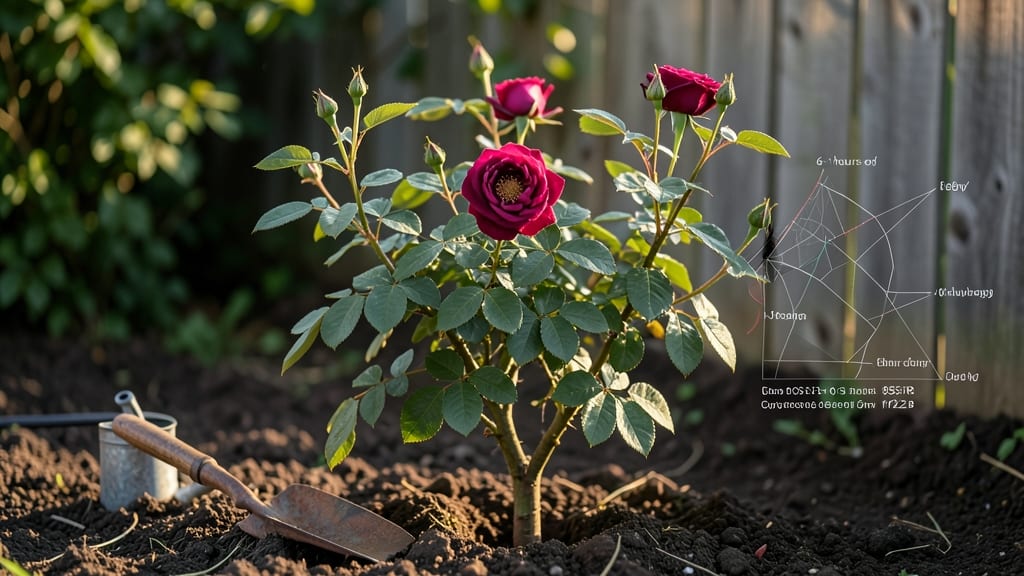
How to keep roses healthy isn’t about luck—it’s about the right cuts and soil. ✂️ I’ve turned my struggling bushes into blooming showstoppers by mastering two key secrets: when and how to prune, and what the roots really need to thrive. Most gardeners over-prune or under-feed, but these simple adjustments make all the difference.
The magic starts with sharp pruners and a late-winter cleanup—removing dead wood and thinning crowded canes lets sunlight and air reach the center. Pair that with rich, well-draining soil (think compost + sand mix), and you’ll see new growth within weeks.
My roses now produce three times more blooms than they did before, with fewer pests and diseases.
You’ll avoid the most common mistakes—like watering too much or fertilizing at the wrong time—and end up with roses that stay vibrant from spring through frost. The secret? Consistency in care, not complicated routines. Even black-thumb gardeners can nail this.
Works for hybrid teas, climbers, or shrub roses—just adjust pruning intensity based on your variety. Here’s how to make it happen without stress or guesswork.
📚 In This Guide
- What you need
- Instructions
- Tips and common mistakes
- Wrapping up and next steps
What you need
- ● Pruning shears: Bypass pruners (sharp, clean, and sterilized with rubbing alcohol between cuts). Quantity: 1 pair.
- ● Garden gloves: Heavy-duty, chemical-resistant (to protect from thorns and soil). Material: Nitrile or leather.
- ● Trowel or spade: For digging and aerating soil. Size: 6–8 inches.
- ● Compost or organic matter: Well-aged manure, leaf mold, or coconut coir. Quantity: 2–3 gallons per plant (annually).
- ● Fertilizer: Balanced granular: 10-10-10 NPK ratio (spring/fall).
- ● Slow-release rose-specific: For steady nutrients (summer).
- ● Mulch: Organic (shredded bark, straw) or inorganic (gravel). Depth: 2–4 inches.
- ● Watering can or hose: With a gentle spray nozzle (avoid blasting stems).
- ● Pest control: Neem oil: 1% concentration (for aphids, mites).
- ● Insecticidal soap: For soft-bodied pests.
- ○ Copper fungicide: (Optional but helpful for black spot).
- ● Soil test kit: To check pH (ideal: 6.0–6.5).
- ● Epsom salt: Magnesium sulfate (1 tbsp per gallon of water, monthly for green roses!).
- ● Plant supports: Stakes or cages (for climbing roses).
- ● Drip irrigation system: For consistent moisture (lazy gardener’s dream!).
- ● Pruning saw: For thick, woody stems (if your shears struggle).
Step-by-Step guide to pruning and soil care for healthy roses
Roses thrive when you focus on two key areas—pruning technique and soil health. Here's how to give your plants the care they need for lush, year-round blooms.
✂️ Step 1: Prune for Structure and Airflow
Start pruning in late winter or early spring before new growth begins. I always use clean, sharp bypass pruners to make 45-degree cuts just above an outward-facing bud. This encourages strong, outward growth and prevents crowded canes that invite disease. Remove any dead, diseased, or crossing branches first—they compete for energy and harbor pests.
Look for thick, woody stems that haven't bloomed in years; these are prime candidates for removal. You'll know you're doing it right when you see open centers with good airflow. Never cut more than one-third of the plant's total growth in a single season—this stresses roses and reduces flowering. After pruning, sterilize your tools with rubbing alcohol to prevent spreading fungal spores.
🌱 Step 2: Amend Soil for Nutrient-Rich Growth
Test your soil first—roses prefer slightly acidic to neutral pH (6.0-6.5). If your soil is heavy clay or sandy, mix in 2-3 inches of compost and 1 inch of aged manure (like cow or horse) into the top 6-8 inches of soil. I like to work this in during late winter or early spring, right before new growth starts. Organic matter improves drainage and holds moisture without suffocating roots.
For established roses, top-dress with 1-2 inches of compost every spring and fall. Avoid fresh manure—it burns roots with excess ammonia. Water deeply after amending to help nutrients settle into the soil. You'll notice healthier foliage within 4-6 weeks as roots access the improved growing medium.
☀️ Step 3: Mulch and Water for Consistent Health
Apply 2-3 inches of organic mulch (like shredded bark or straw) around the base of your roses, keeping it 2-3 inches away from the stem to prevent rot. Mulch conserves moisture, regulates soil temperature, and slowly releases nutrients as it breaks down. Replenish mulch annually in spring—it decomposes faster than you think. Water deeply 1-2 times per week, aiming for 1-1.5 inches of water per session, and always water at the base of the plant to avoid wetting foliage (which encourages fungal diseases).
Morning watering is best—it gives leaves time to dry before evening humidity sets in. You'll know your watering is right when the soil feels moist but not soggy down to 4-6 inches deep. Overwatering is a common mistake; roses hate wet feet. If leaves yellow or stems appear mushy, you're likely overdoing it.
🌿 Step 4: Fertilize Strategically for Blooms
Use a balanced rose fertilizer (10-10-10) in early spring, then switch to a low-nitrogen, high-phosphorus formula (5-10-10) when buds form to encourage flowering. I apply fertilizer every 4-6 weeks during the growing season, always following the package instructions. Never fertilize in late summer or fall—this promotes tender new growth that won't survive winter. After fertilizing, water deeply to help nutrients absorb into the soil.
Watch for signs of over-fertilizing: dark green leaves with little to no blooms or leaf burn (brown edges). If this happens, flush the soil with extra water to leach out excess salts. Healthy roses should have vibrant green leaves and plentiful buds throughout the season. Prune spent blooms regularly to redirect energy into new flowers instead of seed production.
Tips & tricks for perfect rose care
These garden-tested strategies will help you avoid common pitfalls and keep your roses thriving all season long.
Pruning Precision: When making those 45-degree cuts in Step 1, focus on creating a smooth, slanted surface just above the outward-facing bud. This angle prevents water from pooling on the cut, which reduces rot risk. I always make sure my pruners are sharp—dull blades crush stems instead of cutting cleanly, causing unnecessary stress. After pruning, I like to examine the cuts for any rough edges and smooth them with my fingers to encourage faster healing.
Soil pH Check: Before amending your soil in Step 2, grab a soil test kit from your local garden center—it's worth the small investment. Roses prefer a pH between 6.0 and 6.5, and adjusting even slightly can make a huge difference. If your soil is too acidic, add crushed limestone; if it's alkaline, work in sulfur. I've seen roses transform completely after just one soil adjustment—it's like giving them a nutrient boost they can actually use.
Mulching Technique: When applying that 2-3 inches of organic mulch in Step 3, create a donut shape around your roses—keep it 2-3 inches away from the stem to prevent rot. I use shredded bark because it breaks down slowly, but straw works too. The key is to replenish it annually in spring before new growth starts; decomposed mulch loses its effectiveness quickly and can compact around roots.
Fertilizer Timing: In Step 4, I've found that applying fertilizer right after a deep watering helps the nutrients absorb more effectively. The 4-6 week interval between applications gives your roses time to process the nutrients without overloading them. Pro tip: If you notice dark green leaves with minimal blooms, you're likely overdoing it on nitrogen—switch to that low-nitrogen, high-phosphorus formula immediately to encourage flowering instead of foliage growth.
Pro Tips for Keep Roses Healthy
- These garden-tested strategies will help you avoid common pitfalls and keep your roses thriving all season long.
- Pruning Precision: When making those 45-degree cuts in Step 1, focus on creating a smooth, slanted surface just above the outward-facing bud.
- Soil pH Check: Before amending your soil in Step 2, grab a soil test kit from your local garden center—it's worth the small investment.
Frequently asked questions
Got questions about keeping your roses thriving? You’re not alone! Here are some of the most common concerns—and straightforward answers—to help you grow lush, disease-resistant roses with minimal stress.
How often should I prune my roses to keep them healthy?
Prune your roses once a year, ideally in late winter or early spring (before new growth starts). For repeat-blooming varieties, do a light trim after the first flush of flowers to encourage more blooms. Avoid heavy pruning in fall—it can stress plants before winter.
What are the most common rose pests, and how do I get rid of them?
Watch for aphids (tiny green/black bugs), Japanese beetles (skeletonized leaves), and rose slugs (sawdust-like frass). Spray with neem oil or insecticidal soap for mild infestations. For severe cases, use pyrethrin-based sprays or introduce beneficial insects like ladybugs.
How much water do roses need per week, and when is the best time to water?
Roses need 1–2 inches of water weekly, either from rain or irrigation. Water deeply in the early morning (6–10 AM) to reduce fungal risks. Avoid overhead watering—use drip irrigation or soaker hoses to keep foliage dry. Mulch around the base to retain moisture.
Can I use coffee grounds or eggshells in rose soil? Are they beneficial?
Yes! Coffee grounds (used sparingly) add nitrogen and improve soil acidity, while crushed eggshells provide calcium for strong stems. Mix 1–2 cups of grounds or ½ cup of eggshells into the soil per plant every few months. Avoid overdoing it—balance is key!
Why are my rose leaves turning yellow, even though I’m watering them?
Yellow leaves often signal overwatering, nutrient deficiency (like iron or nitrogen), or fungal disease (e.g., black spot). Check the soil—it should be moist but not soggy. Test pH (ideal: 6.0–6.5) and fertilize with a balanced rose food (like 10-10-10). Remove affected leaves promptly.
What’s the best alternative to chemical fertilizers for roses?
Try organic options like compost, fish emulsion, or worm castings for slow-release nutrients. Banana peels (for potassium) and wood ash (for phosphorus) are great DIY boosters. Mix into the soil in spring and after pruning for steady growth.
Wrapping up and next steps
Keeping your roses thriving is all about consistent care—whether it’s pruning at the right time, enriching the soil, or staying vigilant against pests. With the right techniques, year-round blooms aren’t just a dream; they’re your garden’s reality! 🌹✨
Now that you’re armed with the secrets, roll up your sleeves and give your roses the love they deserve. Start small—pick one task this week, like inspecting for pests or adding compost, and watch your garden transform! 🌱