
Blooming
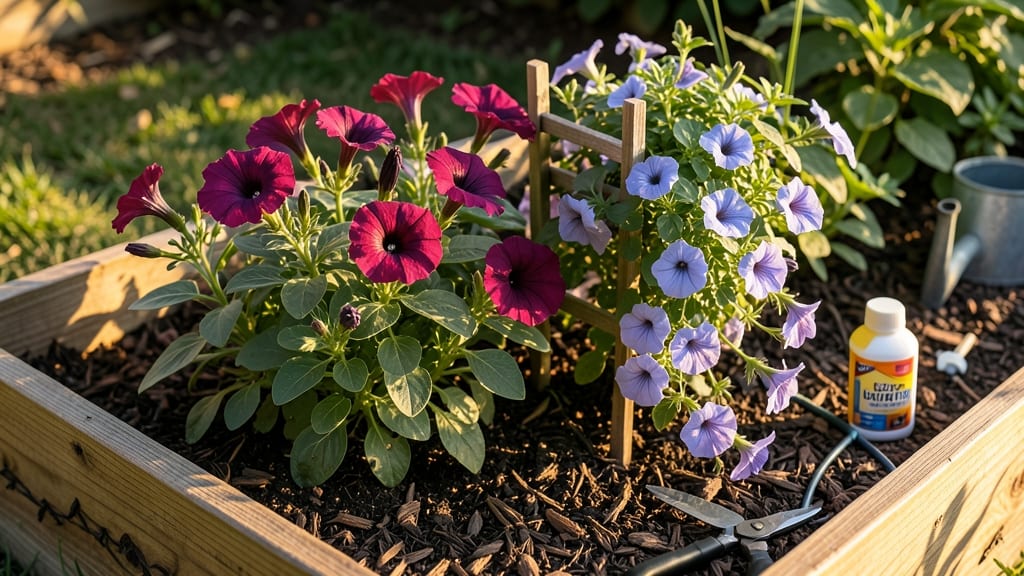
How to keep petunias blooming all summer—your petunias could be thriving with nonstop blooms this season if you nail three key things. 🌸 Last year, mine went from vibrant to pathetic by July, but this method keeps them flowering until frost. The secret isn’t fancy tricks—it’s consistent care that mimics their natural habits.
Start with deadheading spent blooms every morning (yes, really). I used to skip this, but now my plants reward me with fresh flowers daily. Pair that with weekly feeding—petunias are heavy feeders—and make sure they get 6+ hours of sun while shielding them from afternoon heat stress. Mulch helps too.
By mid-summer, you’ll have petunias so lush they’ll make your neighbors jealous. The flowers stay bright, the plants stay compact, and you’ll avoid the common pitfalls of wilting or leggy growth. Even in heatwaves, they’ll bounce back with proper watering—deep but infrequent.
This works for both garden beds and containers, whether you’re growing trailing varieties or bush types. The key is staying consistent—no skipping steps once the heat kicks in. Let’s get those blooms going strong!
📚 In This Guide
- What you need
- Instructions
- Tips and common mistakes
- Wrapping up and next steps
What you need
- ● Petunias: Healthy plants (10+ per container or garden bed, depending on spacing needs)
- ● Well-draining potting mix: 5+ gallons (look for a blend labeled for annuals or container gardening)
- ● Containers or garden bed: Containers: 12+ inches deep with drainage holes (1-2 plants per 12-inch pot)
- ● Garden bed: Full sun exposure (6+ hours of direct light daily)
- ● Balanced liquid fertilizer: 10-10-10 or 20-20-20 (1 gallon per 50 sq. ft. or as directed)
- ● Pruning shears: Sharp, clean pair (sterilize with rubbing alcohol between uses)
- ● Watering can or hose: With a gentle spray nozzle
- ○ Mulch (optional but helpful): 1-2 inches of organic mulch (e.g., straw or shredded bark)
- ● Shade cloth: 30-50% coverage for afternoon sun protection in hot climates
- ● Slow-release fertilizer granules: Mix into soil at planting for steady nutrition
- ● Epsom salt: 1 tablespoon per gallon of water (for magnesium boost, especially in clay soils)
- ● Compost or worm castings: 1 cup per plant (for extra nutrients and moisture retention)
- ● Plant supports (for trailing varieties): Trellis, cage, or stakes
Step-by-step instructions for pruning, feeding, and protecting petunias
Here’s how I keep my petunias flowering nonstop—no wilting, no bare stems, just endless color.
🌿 Step 1: Deadhead Regularly to Encourage New Blooms
Pinch or snip off spent flowers the day they fade. I use clean, sharp scissors to cut just above the next set of leaves where the bloom stem meets the plant. This prevents seed formation, which drains energy from producing new flowers. You’ll see buds forming within 3-5 days—that’s your signal it’s working.
Don’t wait until flowers turn brown or crispy. The moment petals drop, grab your scissors. I check my plants every morning after watering—it takes just 5 minutes total. If you skip this, you’ll end up with leggy stems and fewer blooms. Real talk: I’ve let them go too long, and suddenly it’s July with no flowers. Don’t make that mistake.
💧 Step 2: Water Deeply at Soil Level to Avoid Stress
Water petunias at the base in the early morning to prevent fungal diseases from evening moisture. I use a watering wand or hose with a gentle spray to soak the top 6 inches of soil until water runs out the drainage holes. Overhead watering wets the petals and leaves, creating perfect conditions for powdery mildew.
Let the top inch of soil dry out between waterings—petunias hate soggy roots. You’ll know you’re doing it right when the soil feels slightly dry to the touch at the surface but still moist below. Mulch with 1 inch of organic mulch (like shredded bark) to retain moisture and keep roots cool. This is especially critical in 85°F+ heat—without mulch, roots overheat and stress the plant.
☀️ Step 3: Provide Afternoon Shade During Heatwaves
When temperatures hit 90°F+, move petunias to a spot with afternoon shade (1–3 PM). I use a lightweight shade cloth or even a white umbrella to block direct sun. Petunias can handle full sun in cooler weather, but extreme heat causes buds to drop before opening. You’ll notice flowers wilting or turning yellow—this is your warning to act fast.
If you can’t move them, trim back foliage by one-third to reduce stress. Focus on cutting back the largest leaves first. This helps the plant redirect energy to surviving the heat rather than maintaining excessive leaf surface. Once temps drop below 85°F, return them to full sun and watch for new blooms within 7-10 days.
✂️ Step 4: Lightly Prune for Bushier Growth Mid-Season
About 6 weeks after planting, give petunias a light haircut. Trim back the longest stems by one-third to encourage branching. Use clean scissors and cut just above a leaf node (the bump where leaves grow). This forces the plant to grow wider instead of taller, which means more blooms.
Don’t overdo it—petunias are delicate and can’t handle heavy pruning. If you cut too much, the plant may struggle to recover. You’ll see new growth within 10-14 days, and those new stems will produce even more flowers. This is the moment that matters: a well-pruned petunia becomes a flowering powerhouse.
🪴 Step 5: Feed Weekly With Balanced Fertilizer
Start fertilizing 2 weeks after planting and continue weekly until late summer. I use a balanced liquid fertilizer (10-10-10 or 20-20-20) diluted to half-strength. Petunias are heavy feeders, but too much fertilizer burns roots. Always water the soil first, then apply fertilizer to avoid leaf scorch.
Look for dark green leaves and abundant blooms as your sign the feeding routine is working. If leaves turn yellow or brown at the edges, you’re overdoing it—flush the soil with water and cut back on fertilizer for 2 weeks. The goal is steady, consistent growth, not rapid spikes that fizzle out. Here’s the thing—petunias respond best to gentle, regular feeding rather than heavy doses.
Tips & tricks for perfect petunia care
Here's what nobody tells you about keeping petunias thriving—these are the little things that make all the difference.
Deadheading Timing: I can't stress this enough—those 5 minutes you spend deadheading in the morning make a world of difference. The moment you see petals drop, grab your scissors. I've seen buds appear within 3 days of proper deadheading, but if you wait until flowers are brown and crispy, you're already too late. Think of it like giving your plants a daily spa treatment—they'll reward you with nonstop blooms.
Heat Stress Prevention: When temperatures hit 90°F+, your petunias are silently screaming for help. The afternoon shade isn't just about wilting flowers—it's about preventing buds from dropping before they even open. I've seen plants with perfect leaves but no blooms because they were getting too much midday sun. A lightweight shade cloth is your best friend during heatwaves, but even a white umbrella can work in a pinch. Trust me on this: the difference between a struggling plant and a flowering powerhouse comes down to this single step.
Pruning Precision: That one-third trim you're supposed to do about 6 weeks in isn't arbitrary. It's about finding the sweet spot between encouraging branching and not overstressing the plant. I focus on the longest stems first—they're the ones that need to be tamed. And here's the secret: always cut just above a leaf node. That little bump is where new growth will emerge, and it's the key to getting those bushier plants with more blooms. Don't guess—look for that node and make your cut there.
Fertilizer Strategy: Starting that weekly feeding routine 2 weeks after planting is crucial, but here's what nobody mentions: the importance of diluting your fertilizer to half-strength. Petunias are heavy feeders, but their roots are delicate. I've burned plants before by being too generous—yellowing leaves and stunted growth are your warning signs. Always water first, then feed. This two-step process prevents root burn and keeps your plants happy and blooming. Think of it like feeding a picky eater: small, regular meals work better than one big feast.
Pro Tips for Keep Petunias Blooming All Summer
- Here's what nobody tells you about keeping petunias thriving—these are the little things that make all the difference.
- Deadheading Timing: I can't stress this enough—those 5 minutes you spend deadheading in the morning make a world of difference.
- Heat Stress Prevention: When temperatures hit 90°F+, your petunias are silently screaming for help.
Frequently asked questions
Why do my petunias stop blooming even after deadheading?
Petunias may stop blooming due to heat stress, nutrient depletion, or overcrowding. Ensure they receive consistent watering (1–1.5 inches weekly) and balanced fertilizer (every 2–3 weeks). If they’re in full sun, provide afternoon shade during extreme heat (above 90°F/32°C). Yellowing leaves or leggy stems often signal nutrient deficiencies—adjust care accordingly!
How often should I fertilize petunias for continuous blooms?
Feed petunias every 2–3 weeks with a water-soluble, bloom-boosting fertilizer (look for a 10-10-10 or 20-20-20 ratio). For organic options, use compost tea or fish emulsion monthly. Avoid over-fertilizing—this can lead to lush foliage but fewer flowers. Always water before and after applying fertilizer to prevent root burn!
Can petunias survive extreme heat (like 100°F/38°C+)?
Petunias thrive in 60–75°F (15–24°C), but they can tolerate brief heat waves if given extra care. During extreme heat:
Yes! Try these low-maintenance, heat-tolerant varieties:
Petunias attract aphids, spider mites, and earwigs. Prevent pests by:
If leaves wilt or turn crispy, they’re suffering—act fast to revive them!
Are there petunia varieties that bloom longer with less maintenance?
Pro tip: Choose grandiflora or multiflora types for bigger, showier blooms with minimal fuss!
What pests commonly attack petunias, and how do I prevent them?
If infested, blast off pests with water first, then treat with soap. Ladybugs are natural allies—encourage them with nearby marigolds!
Wrapping up and next steps
With the right care—pruning, feeding, and shielding—your petunias can burst into nonstop color all summer long! 🌸 Remember, consistency is key: deadhead regularly, fertilize wisely, and protect them from heat stress. You’ve got this—your garden is about to become the envy of the neighborhood!
Ready to level up your petunia game? Try experimenting with new varieties or mix them with complementary flowers for a showstopping display. Happy gardening!