
Propagation
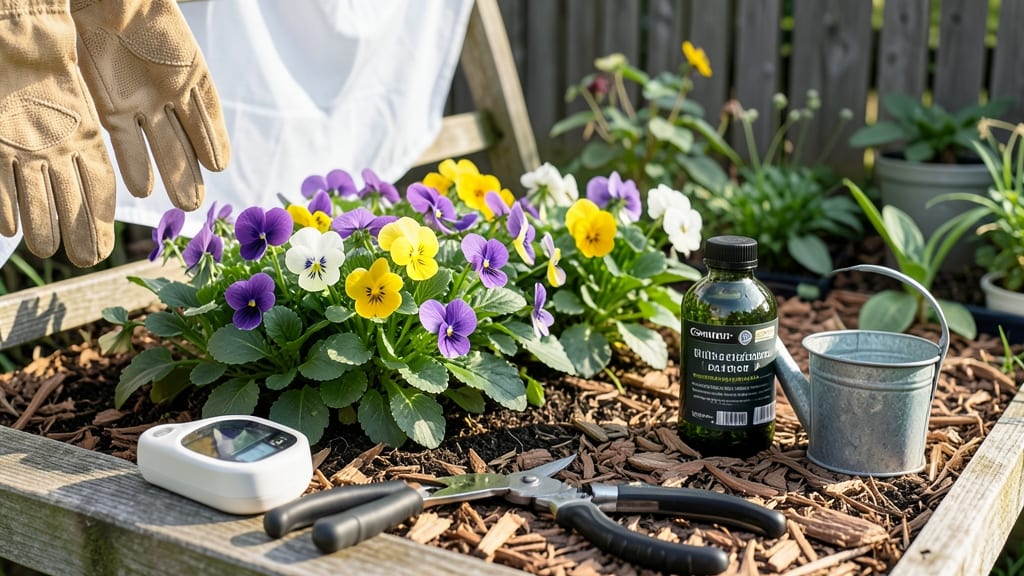
How to keep pansies from getting leggy—those long, sparse-stemmed plants with drooping blooms—is easier than you’d think. 🌱 I’ve nursed back more than my share of these woody, overgrown plants, and the fix is simpler than you’d think: light, spacing, and a sharp pair of pruners. Most gardeners overlook the easy fixes that keep pansies compact and flowering like crazy.
The real culprits are too little sunlight (they need 4–6 hours daily) and overcrowding (they crave 6–12 inches between plants). When they stretch, it’s their way of begging for better conditions.
A quick trim right above a leaf node—where new growth sprouts—jumpstarts bushier stems. Fertilize lightly with balanced 10-10-10 after pruning to encourage fresh foliage, not just more height.
By midseason, your pansies will bounce back with fuller foliage and nonstop blooms. The secret? Prune early, space them properly, and move them to sunnier spots before they turn into leggy shadows of their former selves. Winter care is key too—mulch heavily to protect roots while keeping stems upright.
This works for container pansies too—just rotate pots weekly for even light exposure. No more sad, stretched plants: just compact, vibrant blooms that keep coming. Let’s get those shears ready!
📚 In This Guide
- What you need
- Instructions
- Tips and common mistakes
- Wrapping up and next steps
What you need
- ● Pruning shears or sharp scissors – Clean, sterilized tools to make precise cuts (avoid dull blades that crush stems).
- ○ Gloves (optional but recommended) – Protects hands from thorns or sap (gardening gloves work great!).
- ● Disinfectant (rubbing alcohol or hydrogen peroxide) – A small bottle to wipe tools between cuts and prevent disease spread.
- ● Compost or mulch – A small bag or bucket to collect pruned stems for composting.
- ● Balanced fertilizer (10-10-10 or similar) – A 5-10 lb bag to feed pansies post-pruning for a growth boost.
- ● Plant support (stakes or cages) – If pansies are top-heavy after pruning, lightweight stakes can help.
- ● Watering can or hose with a gentle nozzle – For post-pruning hydration (aim for 1 inch of water per week).
- ● Garden twine or clips – To secure leggy stems temporarily if you’re pruning in stages.
Step-by-Step instructions for pruning pansies to prevent leggy growth
Leggy pansies happen when plants stretch toward light—here’s how to fix it with simple pruning techniques.
🌿 Step 1: Identify Leggy Stems and Pinch Early
Leggy growth shows as long, weak stems with leaves spaced far apart. The moment you spot this, act fast—pinching encourages branching. Use clean, sharp scissors or fingers to remove the top 1/3 of the leggy stem just above a leaf node (where leaves meet the stem). This signals the plant to grow side shoots instead of reaching upward.
I always check my pansies weekly, especially in low-light conditions. The key is timing: prune when stems are 4-6 inches tall but before they become woody. You’ll see new growth within 7-10 days—watch for tiny buds forming at the leaf nodes where you pinched.
✂️ Step 2: Deadhead and Prune for Bushier Foliage
Deadheading spent blooms isn’t just about flowers—it redirects energy to foliage growth. Snip off faded blooms with 1/4 inch of stem below the flower head, cutting at a 45-degree angle to prevent water pooling. This small cut also encourages stronger regrowth at the base.
For severely leggy plants, I do a more aggressive prune: cut back the tallest stems by half their length, leaving only the lower leaves and buds. This might look drastic, but pansies bounce back quickly. Water deeply after pruning to reduce stress—you’ll see fresh, compact growth within 2 weeks.
☀️ Step 3: Adjust Light and Fertilize for Compact Growth
Leggy pansies often mean insufficient light. Move your plants to a spot with 4-6 hours of direct sun daily—morning sun works best to prevent leaf scorch. If you’re growing indoors, supplement with a grow light 6-12 inches above the plants for 12-14 hours/day. You’ll notice stems thicken and leaves darken within 5-7 days.
Feed lightly with a balanced 10-10-10 fertilizer diluted to half-strength after pruning. Over-fertilizing encourages rapid (but weak) growth, so stick to monthly feedings. Watch for new leaves emerging lower on the stems—this is your sign the plant is rebounding.
🌱 Step 4: Maintain Shape with Regular Trimming
Once your pansies perk up, keep them bushy with ongoing maintenance. Trim back any stems that exceed 6 inches in height, cutting just above a leaf node. This prevents the plant from becoming top-heavy and encourages a fuller shape. I prune mine every 2-3 weeks during active growth.
For a neat, rounded look, pinch back the tips of all stems by 1/2 inch when they reach 4-5 inches tall. Avoid cutting into old wood—pansies regenerate best from fresh, green growth. You’ll end up with a dense, flowering mound instead of straggly stems.
Tips & tricks for revitalizing leggy pansies
Transforming leggy pansies into bushy, vibrant plants starts with understanding what your plants truly need—and when to act.
Timing is Everything: Pruning in the morning gives you the best results because plants are fully hydrated, making them more resilient to the stress of cutting. I learned this the hard way after pruning in the afternoon, only to see my pansies wilt overnight. The morning light and cooler temperatures also help prevent shock, giving your plants a fighting chance to recover quickly.
Precision Cuts Make All the Difference: When pruning in Step 2, focus on cutting just above a leaf node where new growth can emerge. This might seem like a small detail, but it’s the key to encouraging bushier regrowth. I’ve seen gardeners accidentally cut into the woody stem, which can stunt the plant’s ability to recover. If you’re unsure where the nodes are, look for tiny buds or the small bumps where leaves used to be—these are your cues for where to make the cut.
Light and Water: The Dynamic Duo: After pruning, the real magic happens with light and water. Move your pansies to a spot with at least 6+ hours of direct sun daily—this is non-negotiable if you want compact growth. I’ve noticed that even just an extra hour of sunlight can make a difference in how quickly new leaves fill out. Pair this with consistent morning watering at the base, and you’ll see the difference within a week. The goal is to keep the soil consistently moist but not soggy, which means checking the soil’s moisture level by sticking your finger 1 inch deep.
Fertilizer Timing Matters: Applying a balanced, water-soluble fertilizer like 10-10-10 mixed at half strength right after pruning gives your pansies the nutrients they need to bounce back stronger. I always apply it in the evening to avoid burning the fresh cuts. Watch for new leaves emerging from the nodes where you pruned—these will be smaller at first but will quickly fill out, and within 3-4 weeks, you’ll see a fuller, bushier plant with flowers closer to the base. This is the moment you’ll know your pruning paid off.
Pro Tips for Keep Pansies From Getting Leggy
- Transforming leggy pansies into bushy, vibrant plants starts with understanding what your plants truly need—and when to act.
- Timing is Everything: Pruning in the morning gives you the best results because plants are fully hydrated, making them more resilient to the stress of cutting.
- Precision Cuts Make All the Difference: When pruning in Step 2, focus on cutting just above a leaf node where new growth can emerge.
Frequently asked questions
about keeping pansies from getting leggy—because even the most patient gardeners have questions! Here are some common ones to help you grow bushier, happier pansies.Why do my pansies grow tall and spindly instead of bushy?
Pansies stretch (or "get leggy") due to etiolation—a response to low light or overcrowding. They stretch toward light sources, like windows or weak sunlight, and become weak-stemmed. Fix it by ensuring they get 6+ hours of sunlight daily and thinning crowded plants to improve airflow.
How often should I prune leggy pansies to encourage bushier growth?
Prune leggy pansies every 2–3 weeks during their active growing season (spring to early summer). Focus on cutting back the longest stems by about ⅓ of their length to stimulate branching. Avoid heavy pruning in late summer or fall, as pansies slow down for winter.
Can I still save leggy pansies, or should I start over?
You can often revive leggy pansies with proper care! Trim back the leggy stems, move them to a sunnier spot, and fertilize lightly with a balanced, water-soluble fertilizer (like 10-10-10). If they’re severely stretched or diseased, consider replacing them—but bushy regrowth is possible with patience!
What’s the best way to fertilize leggy pansies to prevent future stretching?
Use a low-nitrogen, high-phosphorus fertilizer (like 5-10-10) to encourage root and flower development over leafy growth. Apply it every 4–6 weeks during the growing season. Avoid over-fertilizing, as excess nitrogen promotes leggy, weak stems. Pro tip: Water before fertilizing to prevent root burn!
Will leggy pansies recover if I move them to full sun?
Yes! Pansies are adaptable, and moving them to full sun (6+ hours/day) can help them rebound. However, avoid sudden extreme shifts (like from shade to scorching afternoon sun). Gradually acclimate them over 7–10 days, and prune leggy stems to redirect energy into bushier growth.
Wrapping up and next steps
Keeping your pansies from stretching and staying lush is all about timing, technique, and consistency—not rocket science! With the right pruning habits, proper spacing, and a little extra TLC like sunlight and balanced fertilizer, your pansies will thrive and reward you with vibrant blooms all season. 🌸
Now that you’re armed with the know-how, grab those shears and get pruning! Start with just a few plants to build confidence, and soon you’ll be the proud gardener with the bushiest, most cheerful pansies in the neighborhood. Happy gardening! 🌱