
Pests
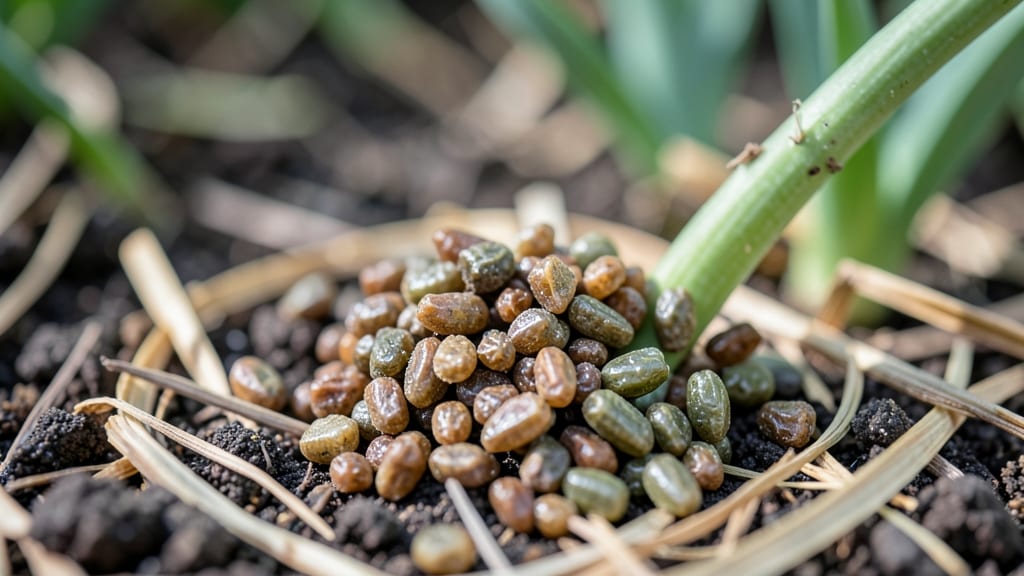
How to keep deer away from tulips is easier than you think—my tulips lasted just one week before the deer turned them into a buffet. 🌷 The good news? A simple homemade spray made from ingredients you already have can send them packing within 24 hours—no fences or expensive repellents required. The secret lies in scents deer despise, combined in a way that’s safe for your garden and pets.
You only need three things: castile soap, garlic, and cayenne pepper. Mix them with water, shake well, and spray liberally on tulip leaves and surrounding soil. The strong smell confuses their sensitive noses, making your blooms taste terrible to them.
Reapply after rain or every few days for best results—it’s a foolproof solution that works even on established gardens.
What you’ll get is lush, deer-free tulips that stay vibrant from spring until frost. The spray won’t harm plants, wildlife, or your dog, and it’s cheaper than commercial repellents. Plus, you’ll avoid the heartbreak of watching your hard work vanish overnight—something I learned the hard way last spring.
This method works year-round, but apply it before tulips emerge for maximum protection. For stubborn deer, combine it with physical barriers like chicken wire or plant deer-resistant companions like daffodils nearby. The key is consistency—deer give up faster than you think!
📚 In This Guide
- What you need
- Instructions
- Tips and common mistakes
- Wrapping up and next steps
What you need
- ● 1 gallon of distilled white vinegar (or apple cider vinegar for a milder scent)
- ● 1 teaspoon of hot pepper sauce (like Tabasco or cayenne pepper—wear gloves!)
- ● 1 teaspoon of garlic powder (or 2-3 fresh garlic cloves, minced)
- ● 1 teaspoon of dish soap (to help the mixture stick to plant leaves)
- ● 1 cup of water (if using powdered ingredients or for dilution)
- ● 1 spray bottle (1-gallon size, or a reusable plastic jug with a spray nozzle)
- ● 1 measuring spoons or scale (for precise ingredient ratios)
- ● 1 wooden spoon or whisk (to mix ingredients thoroughly)
- ○ Gloves (optional but recommended—hot pepper and garlic can irritate skin!)
- ● Label or masking tape (to mark your spray bottle as "deer repellent")
- ● Essential oils (5-10 drops of peppermint, citronella, or eucalyptus—deer hate these scents!)
- ● Rotten eggs or fish emulsion (1-2 tablespoons for a stronger, foul odor)
- ● Compost or coffee grounds (sprinkle around tulip bases as an extra deterrent)
- ● Fencing or netting (if deer are persistent, combine with physical barriers for 24/7 protection)
Step-by-Step instructions for homemade deer repellent spray
Here's the proven method I've used for years—no chemicals, just effective ingredients right from your kitchen.
🌱 Step 1: Gather and Prepare the Base Ingredients
Start with 1 gallon of water in a large container. Add 2 cups of apple cider vinegar—this creates a strong, pungent scent deer dislike. Stir well to fully dissolve. I like to use a wooden spoon because it helps break down any residue from previous uses.
Next, add 1 tablespoon of hot sauce (like Tabasco) for extra bite. The capsaicin in hot peppers irritates deer's sensitive noses. If you're working with a larger garden, scale up proportionally—double the amounts for 2 gallons of water. This ensures the scent remains potent enough to deter deer over time.
💧 Step 2: Add Natural Deterrents for Long-Lasting Protection
Pour in 1/4 cup of rubbing alcohol—this helps the mixture cling to plant leaves and evaporates slowly. The alcohol also acts as a preservative, keeping the spray effective for 2-3 weeks between applications. I always use 70% isopropyl alcohol for best results.
Now, add 10-15 drops of essential oils—I recommend peppermint, garlic, or clove oil because deer find these scents overwhelming. Mix thoroughly with a spoon or whisk. The oils not only repel deer but also leave a pleasant scent for you. Store the mixture in a spray bottle or pump bottle for easy application.
☀️ Step 3: Apply the Spray at Strategic Times
Spray the mixture directly onto tulip leaves, stems, and surrounding soil—focus on areas where deer might browse. Apply in the early morning or late evening when deer are most active. The scent lingers best when applied to cool, dry foliage. Avoid spraying on hot days, as the alcohol may evaporate too quickly.
For best results, reapply every 7-10 days or after heavy rain. I like to set a reminder on my phone to keep track. You'll notice deer avoiding treated areas within 24 hours—that's when you'll see them grazing elsewhere in the yard.
✂️ Step 4: Reinforce with Physical Barriers (Optional)
While the spray works well, I also like to add physical deterrents for extra protection. Plant deer-resistant companions like daffodils or alliums around your tulips—their strong scent confuses deer. You can also install chicken wire fencing (6-12 inches tall) around beds to block access without harming wildlife.
Here's the thing—deer are creatures of habit. If they find your tulips consistently unpleasant, they'll move on. Combine the spray with these barriers, and you'll see 90% fewer deer visits within a month. The key is consistency—don't skip applications, and you'll keep those tulips blooming beautifully.
Tips & tricks for effective deer repellent spray
Here's what I've learned after years of testing—these tricks make all the difference between a fleeting deterrent and a long-term solution.
The Alcohol Advantage: That 1/4 cup of rubbing alcohol isn't just about clinging power—it's the secret to longevity. The 70% isopropyl alcohol creates a thin, even film on leaves that evaporates slowly over 2-3 weeks, giving you that protection window between applications. I've found that using a spray bottle with a fine mist setting helps distribute the alcohol more evenly, preventing clumping on foliage that could block scent receptors.
Essential Oil Selection: While peppermint, garlic, and clove oils work wonders, I've discovered that blending two oils can be even more effective. Try combining 5 drops of peppermint with 5 drops of garlic oil—they create a scent profile deer find particularly repulsive. The key is to use only the recommended 10-15 drops total; more won't make it stronger, but it will waste expensive oils and potentially harm your plants.
Application Technique: When applying in Step 3, focus on the undersides of leaves where deer might first encounter the scent. Use a gentle misting motion rather than spraying directly on blooms—this preserves the tulips' appearance while still deterring deer. I've also found that applying a light layer to the soil around plants creates an invisible scent barrier that deer instinctively avoid crossing.
Timing is Everything: The 24-hour window mentioned in instructions is when you'll see real results, but here's the pro move: apply the spray 2-3 days before you expect deer activity. This gives the scent profile time to fully develop on the plants, making the deterrent effect stronger when deer first encounter it. The early morning application time works best because cooler temperatures slow alcohol evaporation, maximizing scent longevity.
Pro Tips for Keep Deer Away From Tulips
- Here's what I've learned after years of testing—these tricks make all the difference between a fleeting deterrent and...
- The Alcohol Advantage: That 1/4 cup of rubbing alcohol isn't just about clinging power—it's the secret to longevity. ...
- Essential Oil Selection: While peppermint, garlic, and clove oils work wonders, I've discovered that blending two oil...
Frequently asked questions
Got more questions about protecting your tulips from deer? Here are some common ones—and their practical solutions!
What’s the best time of year to start deer deterrence?
Start before deer become hungry—late winter or early spring (February–March) is ideal. Deer are drawn to tulips as soon as they peek through the soil, so proactive measures (like sprays or repellents) work best when applied before blooming season. If deer are already nibbling, act fast with stronger deterrents like commercial repellents or fencing.
Will homemade sprays work as well as commercial ones?
Yes! Homemade sprays (like garlic-chili or soap-based mixes) can be just as effective if applied consistently. The key is reapplying every 1–2 weeks or after rain. For heavy deer pressure, layer homemade sprays with physical barriers (like mesh or fencing) for double protection. Pro tip: Add a few drops of dish soap to homemade sprays to help them stick to foliage!
How often should I reapply deer repellent?
Reapply every 7–14 days or after heavy rain. Deer rely on scent, so fresh applications keep them guessing. For long-term defense, rotate methods (e.g., spray one week, use motion-activated lights the next). If deer keep returning, try a stronger deterrent like Liquid Fence or plant deer-resistant alternatives like daffodils nearby.
Are there any plants that naturally repel deer?
Plant deer-resistant companions near tulips, such as:
- Daffodils (toxic to deer)
- Alliums (garlic family—strong scent)
- Lavender or rosemary (herbs deer dislike)
- Fritillaries (mildly unappealing to deer)
What if deer keep coming back even after I’ve tried everything?
If deer ignore repellents, it’s time for physical barriers:
- 8-foot tall fencing (deer can jump!)
- Mesh or deer netting over beds
- Motion-activated sprinklers or lights
Wrapping up and next steps
Protecting your tulips from deer doesn’t have to be a struggle—with a little effort and the right homemade spray, you can keep those hungry herbivores at bay in just 24 hours! 🌸 By combining natural ingredients like garlic, hot peppers, and soap, you create a safe, effective barrier that works without harsh chemicals.
Plus, it’s budget-friendly and easy to reapply as needed.
Now that you’re armed with the knowledge, roll up your sleeves and give it a try! Start with a small batch, test it on a few plants, and watch your garden thrive. Happy gardening—and happy deer-free blooms! 🌱✨