
Container Gardens
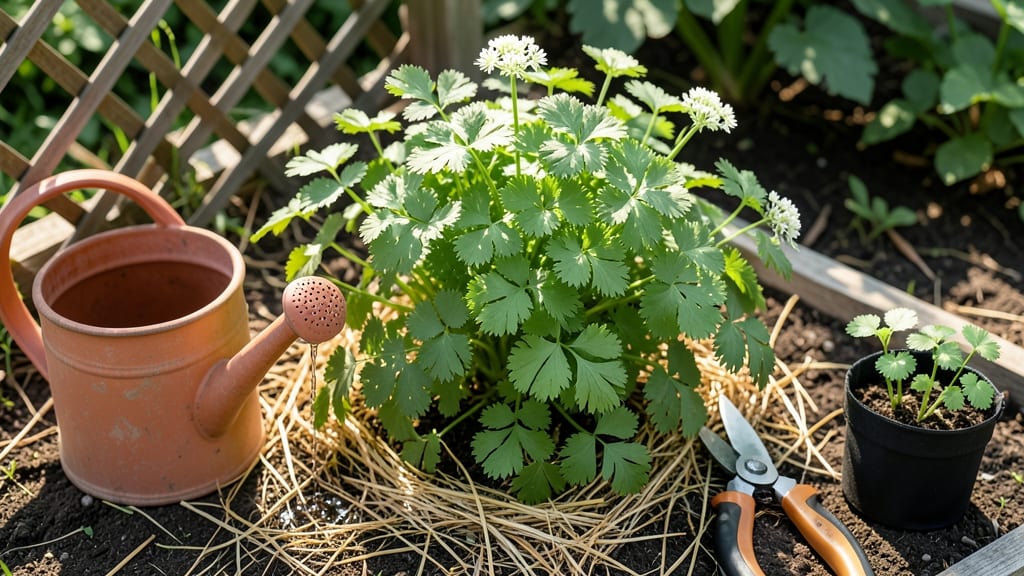
How to keep cilantro growing all summer—the bitter bolting nightmare ends here. 🌿 I’ve lost count of how many times I’ve watched fresh cilantro turn to seed within weeks—until I discovered this harvest-and-regrow trick that keeps it thriving all season long. The secret? Outsmarting heat stress with simple adjustments that prevent the dreaded bolt before it starts.
Most gardeners give up on summer cilantro because it bolts when temperatures rise above 75°F. But the right variety (like ‘Slow Bolt’ or ‘Calypso’) plus partial shade and consistent moisture can extend harvests for months.
I’ve grown cilantro through 90°F heatwaves using these techniques—no fancy equipment, just smart timing and a little patience.
By following this method, you’ll enjoy fresh, tender leaves straight from your container or garden bed for 6+ weeks without the bitter taste or wasted plants. The key is cut-and-come-again harvesting paired with shade cloth when temps climb—simple steps that make all the difference.
Whether you’re growing in pots on a balcony or a small garden bed, this approach works for any summer climate. Let’s get that cilantro growing strong and keep it producing like a pro—no bolting in sight!
📚 In This Guide
- What you need
- Instructions
- Tips and common mistakes
- Wrapping up and next steps
What you need
- ● Cilantro seeds – Choose organic, non-GMO seeds (about 1 tbsp per container or ½ cup for direct sowing in garden beds).
- ● Containers or garden bed – For containers: 5–6 inch deep pots (at least 2–3 per person for continuous harvest). Use drainage holes!
- ● For garden beds: 6-inch deep soil with full sun (6+ hours/day) or partial shade (4–6 hours) in hot climates.
- ● Potting mix – Well-draining, organic mix (avoid heavy garden soil). 1–2 bags (18–20 qt each) for containers or amend garden soil with compost.
- ● Watering can or hose with gentle nozzle – Cilantro hates soggy roots! Aim for consistent moisture (not drought or flood).
- ○ Fertilizer (optional but helpful) – Balanced liquid fertilizer (e.g., 10-10-10) – Dilute to half-strength and apply every 4–6 weeks.
- ● Compost or worm castings – 1 cup per container mixed into soil at planting.
- ● Hand trowel or small shovel – For planting seeds ½ inch deep.
- ● Pruning shears or clean scissors – For harvesting and trimming (sterilize with rubbing alcohol between plants!).
- ● Mulch (straw or shredded leaves) – 1–2 inches to retain moisture and suppress weeds.
- ● Shade cloth (30–50%) – For hot climates (cilantro bolts in heat!). Hang over containers or garden beds.
- ● Grow lights (LED, full spectrum) – If growing indoors or in low-light areas (12–16 hours/day).
- ● Drip irrigation system – Automates watering for consistent moisture (great for large gardens!).
- ● Seed-saving envelope – To store dried seeds from your best cilantro plants for next season!
Step-by-step instructions for harvest-and-regrow cilantro
Here's how I keep cilantro thriving through the heat—no bolting, no bitter surprises.
🌱 Step 1: Start with the Right Variety and Conditions
Choose slow-bolting cilantro varieties like 'Santo' or 'Calypso'—they handle heat better than standard types. Plant in well-draining soil enriched with compost (I mix in 2 cups per square foot). Cilantro hates soggy roots, so amend heavy soil with 1 part perlite to 3 parts potting mix if needed.
Space plants 6-8 inches apart in partial shade—morning sun with afternoon relief works best. If your summers are scorching, provide 30% shade cloth during peak heat. I've found cilantro grows best when soil stays between 60-70°F—hotter temps trigger bolting.
💧 Step 2: Master the Watering Balance
Water deeply twice weekly during summer, aiming for 1 inch total (check with a rain gauge). Let the top 1 inch of soil dry between waterings—consistent moisture prevents stress that leads to bolting. I water in the early morning to reduce evaporation and fungal risks.
Here's the trick: stop watering 3-4 days before harvest. This concentrates flavor and signals the plant to regrow rather than bolt. You'll see leaves perk up again within 24 hours after your next watering.
✂️ Step 3: Harvest Strategically for Continuous Growth
Harvest outer leaves first, cutting just above a leaf pair to encourage bushier regrowth. Never take more than one-third of the plant at once—cilantro recovers poorly from heavy pruning. I harvest in the morning when oils are most concentrated and flavor peaks.
After each harvest, rinse the soil surface with water to remove salt buildup from evaporation. This prevents leaf burn and keeps plants healthy. Watch for new growth at the base within 5-7 days—that's your signal the regrow cycle is working.
☀️ Step 4: Adjust Light and Temperature for Summer Survival
Move pots to shadier spots when temperatures exceed 85°F—cilantro bolts when stressed by heat. I place mine under dappled tree shade or use a white shade cloth during afternoon sun. Avoid full sun afternoons, which can raise soil temps to bolting-inducing levels.
If your cilantro starts flowering (bolting), cut the stems back to 2 inches and provide cool evenings (below 75°F). Some varieties may recover and produce new leaves. For extreme heat, consider growing cilantro in containers so you can move it to cooler spots.
🌿 Step 5: Fertilize Lightly for Heat Resistance
Feed every 4-6 weeks with a balanced liquid fertilizer (10-10-10) diluted to half strength. Too much nitrogen causes rapid growth that bolts quickly in heat. I prefer organic fish emulsion—it's gentler and improves soil structure over time.
Stop fertilizing 2 weeks before harvest to avoid bitter flavors. Instead, side-dress with compost for slow-release nutrients. Healthy soil means resilient plants that bounce back after harvests.
Tips & tricks for perfect summer cilantro growth
Real talk: I've lost count of how many cilantro plants I've watched bolt into flower stalks—until I cracked this system. These are the details that make all the difference between a sad, bitter harvest and a thriving, flavor-packed regrowth cycle.
Variety Matters: While 'Santo' and 'Calypso' are my go-to heat-resistant varieties, don't overlook 'Slow Bolt' or 'Corsican' for even better summer performance. The key is selecting cilantro bred specifically for heat tolerance—regular varieties will bolt within weeks. I've found that even with perfect care, standard cilantro can't handle temperatures above 75°F for more than a few days without stress.
Soil Temperature Secret: The soil temperature range of 60-70°F is critical—this is where cilantro's roots thrive without triggering the bolting response. To check your soil temp, use a simple soil thermometer (they're cheap and worth it). If your soil runs hotter than 70°F during summer afternoons, either move your plants to shadier spots or use containers that you can relocate to cooler areas. I've had success with black plastic pots because they absorb heat and warm roots slightly, which can actually help in cooler climates.
Harvest Timing Insight: That 3-4 day pause before watering after harvest isn't just about flavor concentration—it's a stress signal that tells the plant to focus on regrowth rather than flowering. I've noticed that when I skip this step, my cilantro often bolts within 10-14 days. The 24-hour recovery period after resuming watering is your confirmation that the plant is happy and ready to grow again. This is when you'll see those new leaves at the base—your green light to keep harvesting!
Pro Tips for Keep Cilantro Growing All Summer
- Real talk: I've lost count of how many cilantro plants I've watched bolt into flower stalks—until I cracked this system.
- Variety Matters: While 'Santo' and 'Calypso' are my go-to heat-resistant varieties, don't overlook 'Slow Bolt' or 'Corsican' for even better summer performance.
- Soil Temperature Secret: The soil temperature range of 60-70°F is critical—this is where cilantro's roots thrive without triggering the bolting response.
Frequently asked questions
Got more questions about keeping cilantro thriving all summer? You’re not alone—this feisty herb can be finicky! Here are answers to the most common queries to help you master the harvest-and-regrow hack like a pro.
Can cilantro survive extreme heat?
Cilantro bolts (goes to seed) when temps hit 80°F+. To extend its life, harvest early in the morning or use shade cloth (30-50%) during peak sun. For long-term success, try heat-tolerant varieties like ‘Santo’ or ‘Calypso’—they handle summer better than standard types.
How often should I harvest to encourage regrowth?
Harvest cilantro every 2-3 weeks by snipping outer stems (leave 2-3 inches). Avoid cutting more than 1/3 of the plant at once—this prevents stress and encourages bushier regrowth. Pro tip: Use clean scissors to avoid disease!
What’s the best way to regrow cilantro from cuttings?
Place harvested stems in a glass of water (like flowers) in indirect light. Roots form in 5-7 days. Transplant to soil once roots are 1-2 inches long. For faster results, root in moist potting mix instead of water.
Why does my cilantro keep getting eaten by pests?
Cilantro attracts aphids, spider mites, and slugs. Combat them with:
- Neem oil spray (organic pest control)
- Row covers (for slugs)
- Diatomaceous earth (for crawling pests)
What can I plant alongside cilantro to improve growth?
Cilantro thrives with companion plants like:
- Basil (repels pests)
- Marigolds (deter aphids)
- Onions or garlic (natural fungicides)
Can I grow cilantro in summer if I don’t have shade?
Yes! Try these low-light hacks:
- Use containers with self-watering bases (keeps roots cool).
- Plant in east-facing pots (morning sun only).
- Mist leaves daily to reduce heat stress.
Wrapping up and next steps
Keeping cilantro thriving all summer is totally doable with the right care—consistent watering, shade protection, and regular harvesting are your secret weapons! 🌱 By following these steps, you’ll enjoy a steady supply of fresh, vibrant cilantro straight from your container garden.
Now that you’re armed with the know-how, it’s time to put it into action—grab those containers and start growing!
Ready to level up your harvest? Try experimenting with companion plants like basil or mint to keep pests at bay, or share your progress with fellow gardening enthusiasts for extra tips and motivation. Happy growing! 🌿