
Size
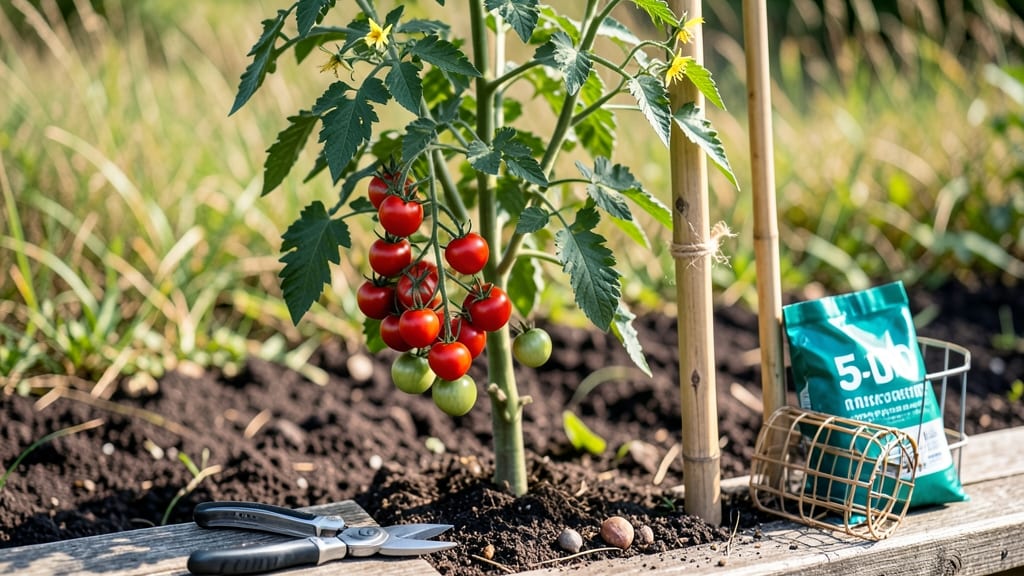
How to keep cherry tomato plants from getting too tall—it’s the battle every gardener loses until they learn the right tricks. 🌱 I’ve wrestled with this problem for years—until I discovered the 5 simple tricks that turn lanky vines into bushy, productive powerhouses without sacrificing yield. The key? A mix of pruning, sunlight control, and smart feeding that actually works.
Most gardeners over-prune or under-support, leading to weak stems or stunted growth. Instead, focus on removing only the right suckers (the shoots between main stems and branches) and using cage supports or stakes to encourage upward growth without stretching.
A balanced 10-10-10 fertilizer (or compost tea) keeps them stocky, not spindly.
By mid-summer, your plants will be bursting with compact, fruit-loaded branches instead of towering poles. The best part? These methods work for container gardens, raised beds, or in-ground plots—no fancy equipment needed. Just a few minutes of maintenance every 2 weeks.
Fair warning: Over-pruning can stress plants, so never trim more than 1/3 of the foliage at once. And if your tomatoes still reach for the sky? It’s likely a light or heat issue—we’ll fix that too. Ready to transform those skinny stems into a bushy, bountiful harvest?
📚 In This Guide
- What you need
- Instructions
- Tips and common mistakes
- Wrapping up and next steps
What you need
- ● Cherry tomato seedlings or seeds – Choose compact or determinate varieties like 'Tiny Tim,' 'Sweet 100,' or 'Tumbling Tom.'
- ● Containers or garden beds – If container gardening, use pots at least 12 inches deep and wide with drainage holes. For in-ground planting, ensure well-draining soil.
- ● Balanced fertilizer (10-10-10 or 5-5-5) – A slow-release granular fertilizer or organic options like compost or worm castings work well.
- ● Pruning shears or sharp scissors – Sterilized tools prevent disease spread. Avoid dull blades that crush stems.
- ● Stakes, cages, or trellises – Opt for low-height supports (3-4 feet max) like tomato cages (5-6 feet tall) or bamboo stakes.
- ● Plant ties or soft twine – Use 100% natural, biodegradable twine or reusable fabric ties to avoid girdling stems.
- ● Mulch (straw, grass clippings, or shredded leaves) – Helps retain moisture and suppress weeds.
- ● Watering can or hose with a gentle spray nozzle – Avoid overhead watering to prevent disease.
- ● Growth regulators (e.g., pinch-off pruning or apical bud removal) – Encourages bushier growth.
- ● Slow-release fertilizer spikes – Reduces the need for frequent feeding.
- ● Reflective mulch or aluminum foil – Can deter pests and improve plant health.
- ● Plant food with higher potassium (e.g., 0-10-10) – Promotes flowering and fruiting.
- ● Compost tea or seaweed extract – Boosts root development and stress resistance.
Tips & tricks for managing cherry tomato height
Real talk: Even with the right varieties, cherry tomato plants can still stretch like teenagers reaching for the cookie jar. Here's how to keep them grounded.
Variety Verification: When selecting seeds or seedlings, cross-reference the height claims with independent reviews. Some "compact" varieties marketed as 3-4 feet tall can still reach 5 feet in ideal growing conditions. I always opt for certified bush varieties and check third-party gardening forums for real-world height reports. This extra step prevents disappointment when your plants start towering unexpectedly.
Pruning Precision: In Step 2, when removing suckers, focus on the angle of your cuts—always make clean cuts just above a leaf node, not at a joint. Ragged cuts invite disease, while precise cuts encourage outward growth. I use sterilized pruners dipped in rubbing alcohol between cuts to prevent bacterial spread. You'll notice within 10 days that the plant develops thicker stems and more lateral branches when you maintain this clean technique.
Light Management: For indoor growers, the 14-16 hours of light requirement is non-negotiable, but positioning matters more than most realize. Place your grow light slightly off-center to prevent the plant from leaning toward one direction. Rotate the plant 180 degrees every 2-3 days to ensure even growth. This simple rotation trick prevents the classic "light-seeking" stretch that makes plants lanky and weak.
Fertilizer Strategy: The switch to phosphorus-heavy fertilizer when flowers appear is crucial, but timing matters. I apply the 5-10-5 fertilizer when the first flower clusters form, not when they open. This timing boosts root and fruit development while preventing the plant from redirecting energy upward. Too much nitrogen at this stage is the #1 reason plants grow tall and spindly—it prioritizes leafy growth over structural support.
Pro Tips for Keep Cherry Tomato Plants From Getting Too Tall
- Real talk: Even with the right varieties, cherry tomato plants can still stretch like teenagers reaching for the cookie jar.
- Variety Verification: When selecting seeds or seedlings, cross-reference the height claims with independent reviews.
- Pruning Precision: In Step 2, when removing suckers, focus on the angle of your cuts—always make clean cuts just above a leaf node, not at a joint.
Frequently asked questions
How often should I prune cherry tomato plants to control height?
Prune your cherry tomato plants every 1-2 weeks during the growing season (spring to early fall). Focus on removing suckers (side shoots) and any yellow or diseased leaves. Regular pruning encourages bushier growth and prevents legginess. Just avoid over-pruning—leave enough foliage for photosynthesis!
Can I use stakes or cages to keep cherry tomatoes short?
Yes! While stakes and cages support height, they can also limit vertical growth if used strategically. Opt for smaller cages (2-3 feet tall) or low stakes (1-2 feet) to discourage excessive height. Pair this with pruning for the best compact results. Avoid over-tightening ties, which can stress the plant.
Will pinching the top of cherry tomato plants stunt their growth?
Pinching off the terminal bud (the topmost growth point) when the plant reaches your desired height (usually 12-18 inches) signals the plant to focus energy on side branches instead of shooting upward. This trick works best for determinate varieties (bush types) but can also help indeterminate types if pruned early.
What if my cherry tomatoes are already too tall? Can I fix it?
Don’t panic! If your plants are leggy, prune aggressively by cutting back 1/3 of the height to encourage bushiness. Add a support structure (like a small cage or stake) immediately and fertilize with a balanced, low-nitrogen feed to boost recovery. Water consistently but avoid overwatering, which can weaken stems further.
Are there dwarf cherry tomato varieties that stay short naturally?
Yes! Consider these compact varieties to skip pruning hassles:
- 'Tiny Tim' (12-18 inches)
- 'Patio Princess' (18-24 inches)
- 'Balcony Red' (12-16 inches)
- 'Micro Tom' (6-12 inches, ultra-dwarf!)
Wrapping up and next steps
Keeping your cherry tomato plants compact and productive doesn’t have to be a challenge—just a few simple tweaks can make all the difference! 🌱 From pruning and staking to smart spacing and nutrient balance, these tricks will help you grow bushy, manageable plants that yield tons of sweet, juicy tomatoes.
Remember, consistency is key, so stay patient and enjoy the process!
Now that you’re armed with these pro tips, why not take the next step? Try one technique this week—whether it’s pruning, adding support, or adjusting sunlight—and watch your plants thrive. Happy gardening! 🌿