
Pests
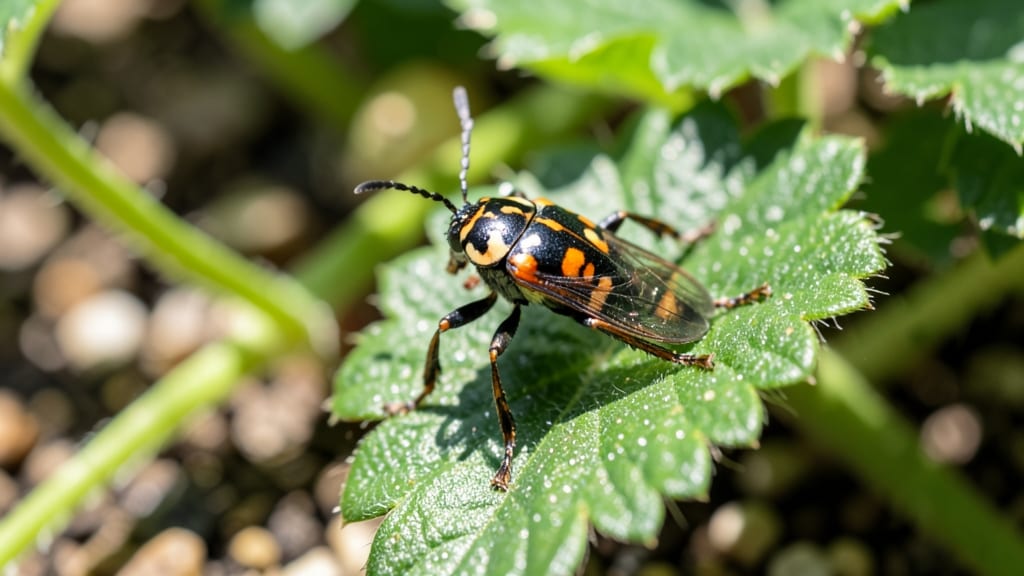
How to keep ants out of the strawberry plants—it’s the difference between a bountiful harvest and a frustrating loss. 🌱 I’ve lost entire harvests to these tiny invaders—until I discovered a spray that disrupts their scent trails and keeps them away for weeks. The secret? A mix of citrus and cinnamon that confuses their communication. Ants rely on pheromone trails to find food, and these ingredients scramble their system. You’ll need just 2 ingredients, a spray bottle, and 10 minutes—no harsh chemicals required. Once applied, your strawberries will thrive without constant ant raids. The plants stay healthy, the berries grow sweeter, and you avoid the sticky mess ants leave behind. This method works for other garden pests too. Best part? It’s safe for kids and pets once dry, and you can reapply every few weeks. Let’s stop those ants before they ruin your harvest!
Root Causes Of Ant Infestations
Ants aren’t just random visitors to your strawberry patch—they’re drawn there by a mix of natural behaviors, environmental cues, and even unintentional gardener mistakes. Understanding why they show up is the first step to outsmarting them. Here’s a breakdown of the key triggers:
🍓 Strawberries = Ant Buffet Strawberries are packed with natural sugars (like fructose and glucose) and aromatic compounds that ants love. When berries ripen, their scent intensifies, acting like a dinner bell.
Ants follow pheromone trails—chemical pathways they leave to guide their colony—to these sweet rewards. Once a few scout ants find your plants, they recruit the whole colony in a matter of hours.
The science:
- Ants have 70–100 odor receptors on their antennae, making them hyper-sensitive to fruity smells.
- A single ripe strawberry can release enough volatile organic compounds (VOCs) to attract ants from 50+ feet away.
🐜 More Than Just the Fruit Ants aren’t picky—they’re also after:
- Aphids (tiny sap-sucking pests) that secrete honeydew, a sugary waste product ants farm for food.
- Overripe or damaged berries leaking juice, which creates sticky patches ants can’t resist.
- Synthetic fertilizers (especially those with high nitrogen) that alter plant chemistry, making them more attractive to ants.
Pro tip: 💡 If you spot ants crawling up the stems of your strawberries, aphids are likely hiding on the undersides of leaves. Check with a magnifying glass!
🌧️ Ants Love Cozy, Damp Spots Ants need water to survive, and strawberry beds often provide the perfect conditions:
- Irregular watering (like overhead sprinklers) can create damp soil, which ants use to build nests.
- Mulch or leaf litter near plants offers them shelter and nesting material.
- Container gardens with poor drainage trap moisture, turning pots into ant highways.
Key stat: Ants can carry 10–50x their body weight in water, so even a small puddle near your plants is an invitation.
🍽️ How Gardeners Accidentally Help Ants Sometimes, well-meaning actions make your strawberries more appealing:
- Over-fertilizing with high-sugar compost or manure increases plant sugars.
- Leaving fallen fruit on the ground (ants will drag it back to their nest).
- Using sticky traps for other pests—ants get stuck and release alarm pheromones, rallying reinforcements.
Avoid this: Never compost fruit scraps near your garden. Ants will track the scent right to your strawberries.
🏗️ Ants Are Real Estate Developers Ants don’t just wander—they colonize.
If your strawberry patch is: - Adjacent to a trail (like a sidewalk or fence line), - Near a food source (e.g., your kitchen compost or pet food), - In a warm, undisturbed area (ants avoid cold or dry conditions),
they’ll claim it as part of their territory. Worker ants scout for food, and once they find your plants, they’ll defend them aggressively.
Fun fact: Fire ants (if in your region) will even attack other insects to protect their strawberry "farm."
📅 When Ants Get Hungry Ant activity spikes during:
- Early summer (when strawberries ripen and aphids thrive).
- After rain (soil moisture rises, and ants become more active).
- Late summer (when sugar content in berries peaks).
Actionable insight: 🌡️ Monitor ant traffic in morning and evening—that’s when they’re most active and easiest to intercept.
Simple Fixes for Ant-Free Strawberries
Ants may seem harmless, but their presence near strawberry plants can lead to bigger problems—like attracting pests that damage your fruit. The good news? You can outsmart, repel, or eliminate them with targeted solutions.
Here’s how to tackle the issue based on the root cause, plus prevention tips to keep your strawberries thriving.
Ants leave pheromone trails to food sources, so disrupting these paths is key.
🍳 Block Their Paths with Natural Barriers
- Diatomaceous Earth (DE): Sprinkle food-grade DE in a thin line around your strawberry beds. This powder dehydrates ants but is safe for plants. Reapply after rain.
- Coffee Grounds: Scatter used coffee grounds (cooled) around the base of plants.
The strong scent confuses ants and repels them. - Cinnamon: A pinch of cinnamon near entry points disrupts their trails. Bonus: It smells great and deters other pests!
👨🍳 Redirect Ants Away from Your Garden
- Set Up a Decoy: Place a small dish of sugar water or honey far from your strawberries.
Ants will follow this instead, leaving your plants alone. - Use Vinegar Spray: Mix 1 part white vinegar with 1 part water and lightly spray along ant trails. The smell masks their pheromones.
Ants "farm" pests like aphids for honeydew—so you’ll need to break their symbiotic relationship.
🔪 Eliminate the Aphids First
- Blast Them Off: Use a strong spray of water to knock aphids off leaves. Repeat every few days until gone.
- Neem Oil Spray: Mix 1 tsp neem oil + 1 tsp mild soap in 1 quart of water.
Spray directly on aphids (test on a small leaf first). - Introduce Ladybugs: These beneficial insects love aphids and will naturally control the population.
🌡️ Disrupt Ant-Aphid Communication
- Citrus & Cinnamon Spray: Mix peel from 1 lemon + 1 tsp cinnamon in 2 cups water, boil for 10 mins, then strain.
Spray around plants—ants hate the combo! - Essential Oil Barrier: Dilute peppermint or tea tree oil (10 drops per cup of water) and spray along the drip line of your strawberries.
If you spot tiny mounds or tunnels, you’ll need to evict them strategically.
💡 Remove Nests Safely
- Boiling Water: Pour slowly into active mounds at night (ants are less active). Avoid disturbing roots.
- Soap & Water: Mix 1 tbsp dish soap in 1 gallon of water and spray directly into nests.
This kills ants without harming soil. - Beneficial Nematodes: For a long-term fix, apply heterorhabditis bacteriophora nematodes to the soil. They eat ant larvae naturally.
🎯 Prevent Future Nesting
- Aerate Soil: Loose, well-draining soil discourages ants from settling. Add compost or sand if your soil is compacted.
- Plant Ant-Repelling Herbs: Surround strawberries with mint, basil, or thyme.
Ants avoid these strong scents. - Keep Garden Debris Free: Remove fallen leaves, logs, or rocks—ants use these as shelter.
- 🔥 Mulch Smartly: Use gravel or coarse wood chips instead of fine mulch—ants hate crawling through uneven surfaces. - 🌡️ Water in the Morning: Ants avoid damp areas, so early watering keeps them away during the day. - ✨ Regular Inspections: Check plants weekly for new trails or nests.
Early action = easier fixes! - 🎯 Avoid Over-Fertilizing: Too much sugar in the soil (from fertilizer) attracts ants. Use a balanced, slow-release fertilizer instead.
By combining trail disruption, pest removal, and smart prevention, you’ll send ants packing—and keep your strawberries sweet, healthy, and ant-free! 🍓✨
Frequently asked questions
Why do ants suddenly appear in my strawberry patch?
Ants are drawn to strawberries because of their natural sugars and the aphids that thrive on the plants. Once they find your patch, they leave pheromone trails that recruit more ants. Check for tiny green aphids on leaf undersides—they're the main reason ants "farm" your strawberries!
Is diatomaceous earth safe for my strawberries?
Yes, when used correctly! Only use food-grade diatomaceous earth and apply it as a thin barrier around plants. It's completely safe for strawberries once settled, but avoid inhaling the dust. Reapply after rain or watering, as it loses effectiveness when wet.
How often should I reapply the citrus-cinnamon spray?
Reapply every 2-3 weeks or after heavy rain. The spray works by masking scent trails, so regular applications maintain its effectiveness. Store extra spray in the fridge for up to 2 weeks—just shake before use.
Will coffee grounds really keep ants away?
Used coffee grounds create a natural barrier ants avoid. Sprinkle them around plant bases and refresh every few days. The caffeine disrupts their scent trails while adding nitrogen to your soil—it's a win-win for your strawberries!
What if the ants don't go away after trying these methods?
Try beneficial nematodes for stubborn cases. These microscopic worms target ant larvae in the soil. Apply in evening when soil is moist (not wet). For severe infestations, consider professional pest control—especially if you suspect fire ants in your region.