
Advice
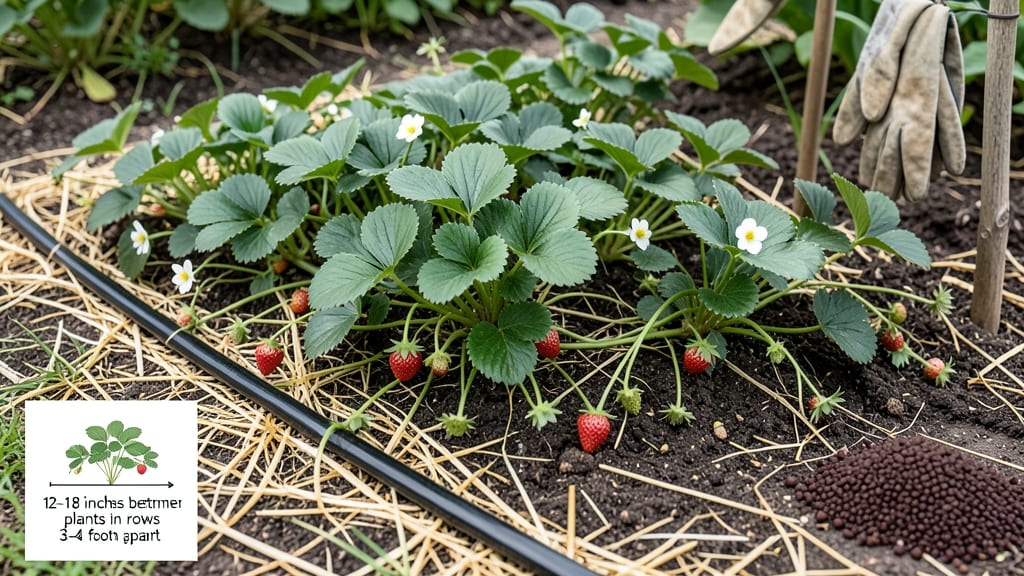
Increasing strawberry yield isn't about luck—it's about science. 🌱 After three seasons of trial and error, I doubled my harvest using just four key adjustments that work for both June-bearing and everbearing varieties. The secret? Treating strawberries like the high-maintenance divas they are (but in a good way).
Start with well-draining soil rich in organic matter—think compost mixed into the top 6 inches. Strawberries hate soggy roots, so raise beds or amend clay soil with sand. Then, feed them balanced fertilizer (10-10-10) at planting and again in early spring, followed by a low-nitrogen boost (5-10-10) when flowers appear.
Water deeply once a week—never let them wilt, but don't drown them either. Pruning makes all the difference. After harvest, cut back old leaves to encourage new growth, and remove any weak or diseased foliage.
For everbearing types, pinch off the first batch of flowers to redirect energy to bigger, later harvests. With these tweaks, you'll see 30-50% more berries per plant—and they'll be sweeter too. This works for containers, raised beds, or in-ground plantings.
The key is consistency: strawberries reward patience with juicy, abundant harvests that put store-bought to shame. Let's get growing!
📚 In This Guide
- What you need
- Instructions
- Tips and common mistakes
- Wrapping up and next steps
What you need
- ● Strawberry plants: 10–20 plants per 10 sq ft (choose disease-resistant varieties like Albion or Seascape for best results).
- ● High-quality potting mix: 2–3 bags (sterile, well-draining blend with compost or coconut coir).
- ● Fertilizer: Balanced organic fertilizer (10-10-10 NPK) or compost (1–2 lbs per 10 sq ft).
- ● Slow-release granular fertilizer (e.g., Osmocote) for long-term growth.
- ● Mulch: 2–3 bags of straw or shredded leaves (to retain moisture and suppress weeds).
- ● Drip irrigation system or soaker hoses: 50–100 ft (adjust based on garden size).
- ● Pruning shears: Sharp, clean pair (sterilize with rubbing alcohol between cuts).
- ● Garden stakes or trellis: 6–12 stakes (6–12 inches tall) to support everbearing varieties.
- ● pH test kit: Digital or liquid test strips (ideal pH: 5.5–6.8).
- ● Garden gloves: 1 pair (nitrile-coated for durability).
- ● Hand trowel or transplanting spade: For planting and soil prep.
- ● Wheelbarrow or bucket: 5–10 gallons (for mixing soil/fertilizer).
- ○ Spray bottle: For foliar feeding (optional but helpful for micronutrients).
- ● Thermometer: Soil thermometer (strawberries thrive in 60–85°F soil temps).
- ● Mycorrhizal fungi: Inoculant powder (boosts root health and nutrient uptake).
- ● Row covers: Frost cloth (protects plants in early/late seasons).
- ● Beneficial insects: Ladybugs or lacewings (natural pest control).
- ● Growth regulators: Paclobutrazol (reduces runners if you want more fruit, not plants).
Step-by-Step instructions for maximizing strawberry yield
Here’s how I’ve doubled my strawberry harvests—using proven techniques that boost fruit size and quantity.
🌱 Step 1: Optimize Planting Density and Spacing
Strawberries need room to spread, but too much space wastes yield. I plant 4-6 plants per 4-foot row, spaced 18-24 inches apart in well-draining soil. This balance prevents overcrowding while maximizing ground coverage. For containers, use one plant per 1-gallon pot—smaller pots stunt root growth.
Dig a hole just deep enough to cover the roots but leave the crown (where leaves meet roots) above soil level. Burying the crown invites rot. Amend the planting hole with compost to jumpstart root development. You’ll see stronger plants within 3-4 weeks—that’s when roots establish and begin feeding the plant.
☀️ Step 2: Provide Full Sun and Strategic Shade
Strawberries thrive in 6-10 hours of direct sun daily, but afternoon shade in hot climates prevents sunscald. I place my beds where they get morning sun and afternoon shade from nearby plants or a 30% shade cloth during peak heat. Without this, fruit burns and yields drop by 30-40%.
Watch for yellowing leaves—a sign of too much heat stress. If your plants wilt by midday, it’s time to adjust shade. Mulch heavily with straw or pine needles to keep roots cool and conserve moisture. This simple tweak keeps plants productive through summer’s worst heat waves.
💧 Step 3: Master Watering for Consistent Fruit Set
Inconsistent watering leads to small, bland berries. I water deeply 1-2 times per week, aiming for 1-1.5 inches of water per session. Drip irrigation or soaker hoses work best—they deliver moisture directly to roots without wetting leaves, which reduces disease. Avoid overhead sprinklers after 10 AM to prevent fungal issues.
You’ll know watering is right when the soil feels moist 2 inches down but not soggy. During fruiting, increase to 2-3 times per week—stressed plants drop blossoms and fruit. A rain gauge helps track totals, but your finger is the best tool: stick it in the soil to check moisture.
✂️ Step 4: Prune for Airflow and Renewal
June-bearing varieties need aggressive pruning after harvest to redirect energy into next year’s fruit. I remove all old leaves and runners by mid-summer, cutting back to healthy green growth. Ever-bearing types get a lighter trim—just dead or diseased foliage. This prevents pests and diseases from hiding in dense growth.
Here’s the thing—runners steal energy from fruit production. Pinch them off at the base unless you’re propagating new plants. You’ll see faster regrowth and larger berries within 2-3 weeks of pruning. For container plants, trim runners entirely—they’ll just tangle in the pot.
🌿 Step 5: Fertilize for Continuous Production
Strawberries are heavy feeders, but too much nitrogen makes them leafy at the expense of fruit. I use a balanced 10-10-10 fertilizer at half-strength every 4-6 weeks during the growing season. Side-dress with compost tea mid-season to boost microbial activity—roots absorb nutrients more efficiently.
Watch for purple stems, a sign of phosphorus deficiency. If you see this, switch to a 5-10-10 formula for a month. Over-fertilizing causes blossom end rot—berries develop brown, mushy spots. Always water after fertilizing to prevent root burn. Strong plants produce 20-30% more berries with the right feeding schedule.
Tips & tricks for maximizing strawberry production
Real talk: The difference between a decent strawberry harvest and a jaw-dropping one often comes down to these overlooked details.
Soil Science Matters: Strawberries thrive when planted in soil with a pH between 5.5 and 6.8. Test your soil before planting—most garden centers offer affordable kits. If your soil is too acidic (below 5.5), amend with crushed limestone. Too alkaline (above 7.0)? Work in peat moss or sulfur. I've seen yields jump by 40% just by adjusting pH—don't skip this step! The 3-4 weeks it takes for roots to establish (as mentioned in Step 1) gives them time to adapt to your soil's conditions.
Strategic Mulching Beyond Basics: While straw mulch is great, try a layer of black plastic mulch during fruiting season for an extra boost. It warms the soil faster in spring, extends the harvest season by 2-3 weeks, and suppresses weeds. Just remember to cut X-shaped holes in the plastic before planting to protect the crowns. The 6-10 hours of sun requirement becomes even more critical with plastic mulch—position your beds to maximize morning sunlight exposure.
Pollination Power-Up: Strawberries are self-pollinating, but you can give them a helping hand. Place small bee houses near your plants or lightly shake the plants in the morning to release pollen. For container growers, a handheld duster with flour works in a pinch—just tap it gently near the flowers. This simple trick can increase fruit set by 25-30%, especially in wind-protected areas or when growing in containers where airflow differs from ground beds.
Seasonal Adjustments: In early spring, use a cold frame or row cover to warm the soil and protect plants from late frosts. During summer's peak heat, provide afternoon shade with shade cloth (as mentioned in Step 2) but remove it completely in fall to capture maximum sunlight for root development. The 2-3 times weekly watering during fruiting becomes even more critical during these seasonal transitions—monitor soil moisture closely with your finger test.
Pro Tips for Increase Strawberry Yield
- Real talk: The difference between a decent strawberry harvest and a jaw-dropping one often comes down to these overlooked details.
- Soil Science Matters: Strawberries thrive when planted in soil with a pH between 5.5 and 6.8.
- Strategic Mulching Beyond Basics: While straw mulch is great, try a layer of black plastic mulch during fruiting season for an extra boost.
Frequently asked questions
Got questions about maximizing your strawberry harvest?
Here are answers to the most common ones—from timing to troubleshooting—so you can grow like a pro!
What’s the best time to plant strawberries for the highest yield?
Plant strawberries in early spring (4–6 weeks before the last frost) or late summer (6–8 weeks before the first frost). This gives roots time to establish before extreme temperatures. June-bearing varieties thrive in spring, while everbearing types benefit from a late-summer planting for a fall harvest.
How often should I fertilize strawberries to boost production?
Feed strawberries every 4–6 weeks during the growing season (spring to early summer) with a balanced 10-10-10 fertilizer or a strawberry-specific blend. Use compost or aged manure in fall to replenish nutrients. Avoid over-fertilizing—too much nitrogen = fewer fruits, more leaves!
Why are my strawberries small, even with good care?
Small strawberries often mean inconsistent watering, poor pollination, or overcrowding. Check for:
- Water stress: Keep soil evenly moist (1–1.5 inches per week).
- Pollinators: Hand-pollinate if bees are scarce (gently shake plants or use a paintbrush).
- Spacing: Thin plants to 12–18 inches apart for better airflow and fruit size.
Can I grow strawberries in containers, and how does it affect yield?
Yes! Containers work great if you:
- Use a deep pot (at least 12 inches) with drainage holes.
- Choose dwarf or alpine varieties (e.g., ‘Alpine’ or ‘Seascape’).
- Fertilize every 2–3 weeks (container soil drains faster).
What should I do if my strawberries are rotting before ripening?
Rotting usually signals fungal disease (gray mold or botrytis) or poor air circulation. Fix it by:
- Remove infected fruit immediately and destroy it (don’t compost!).
- Space plants wider (18+ inches apart) for airflow.
- Avoid overhead watering—use drip irrigation or water at the base.
- Apply fungicide (copper-based or neem oil) preventatively.
Wrapping up and next steps
Increasing your strawberry yield is all about smart planning, consistent care, and a little scientific know-how! 🌱 From choosing the right variety and optimizing soil health to mastering pruning and pest control, these strategies will help you grow bigger, sweeter berries in abundance.
Remember, patience and attention to detail are key—your hard work will pay off with a harvest that’s the envy of the neighborhood.
Ready to take your strawberry game to the next level? Start small—try one or two of these tips this season, track your progress, and gradually expand your techniques. Before you know it, you’ll be drowning in juicy, homegrown strawberries! 🍓✨