
Size
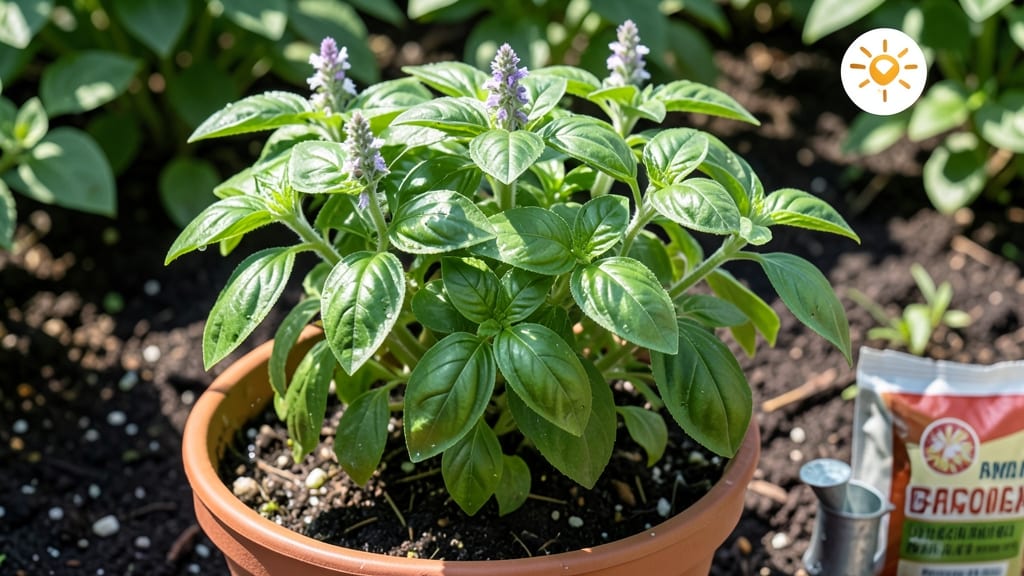
How to help basil grow starts with sunlight and soil—the two game changers that transform limp, sad plants into vibrant, fragrant bushes. 🌱 I’ve watched basil go from wilted and weak to thriving just by tweaking these two factors—no magic involved. The difference between a healthy plant and one that bolts or wilts comes down to light exposure and soil health, not luck. Most people overlook how much basil needs consistent sun—at least 6-8 hours daily—and well-draining soil that mimics its Mediterranean roots. Too much water or shade? That’s how you end up with leggy, weak stems. The fix is simpler than you think: position it right and use the correct potting mix. By the end of this, your basil will be bursting with glossy leaves and ready for harvest in just 4-6 weeks. The secret isn’t complicated—it’s about matching basil’s natural environment to your growing space, whether that’s a sunny windowsill or a garden bed. Outdoor plants need full sun and protection from afternoon heat, while indoor basil thrives under grow lights (12+ hours daily). Soil should be light, airy, and slightly acidic—think potting mix with perlite or coconut coir. Overwatering is the #1 killer, so let the top inch dry out between waterings. Pruning regularly (pinch back stems) encourages bushier growth, and a balanced fertilizer (like 10-10-10) every 3-4 weeks keeps it fed without burning roots. Avoid common mistakes like crowding plants or using heavy garden soil—basil hates soggy feet. Even if you’ve killed basil before, this method works—guaranteed. The key is patience and consistency. Start with the right setup, and you’ll enjoy fresh leaves for months. Now, grab your shears and let’s get growing!
📚 In This Guide
- What you need
- Instructions
- Tips and common mistakes
- Wrapping up and next steps
What you need
- ● Basil seeds or seedlings: Choose sweet basil, Genovese, or Thai basil seeds or healthy young plants from a nursery.
- ● Containers: For seeds: 4–6 inch deep pots (at least 2–3 per plant for better growth). Ensure they have drainage holes!
- ● For seedlings: 6–8 inch pots or a raised garden bed (minimum 12 inches wide for multiple plants).
- ● High-quality potting mix: A well-draining, nutrient-rich soil (look for a blend labeled for herbs or vegetables). Avoid garden soil—it can compact and suffocate roots!
- ● Sunlight access: A south-facing window (6+ hours of direct sunlight daily) or a grow light (12–16 hours/day if indoors).
- ● Watering can or spray bottle: A gentle watering system to avoid disturbing the soil or seedlings.
- ● Fertilizer: A balanced liquid fertilizer (e.g., 10-10-10 or fish emulsion) or slow-release granules for organic growth.
- ● Pruning shears or scissors: Sharp, clean tools to snip leaves or stems without damaging the plant.
- ● Mulch: Straw or shredded leaves to retain moisture and suppress weeds.
- ● Support stakes or cages: For taller varieties like Thai basil, use bamboo stakes or tomato cages to keep stems upright.
- ● Epsom salt: A spoonful dissolved in water (monthly) boosts magnesium for vibrant leaves.
- ● Compost or worm castings: Mix into soil for extra nutrients and microbial activity.
- ● Humidity tray: A shallow tray with pebbles and water to increase humidity for indoor plants.
- ● Pest control: Neem oil or insecticidal soap to tackle aphids or spider mites.
Step-by-step instructions for growing lush basil plants
Here’s how I transform wilting basil into vibrant, flavorful plants—no mystery involved.
🌱 Step 1: Pick the Right Spot for Sunlight
Basil thrives in 6-8 hours of direct sunlight daily. Place your plants where they’ll get morning sun and afternoon light—south or west-facing windowsills or outdoor spots work best. If indoors, a sunny kitchen window often does the trick, but watch for leaves stretching toward the light (that’s a sign it’s not enough).
Outdoors, avoid harsh afternoon sun in hot climates—it can scorch leaves. Instead, give them dappled shade during peak heat. You’ll know you’ve got it right when the leaves stay deep green and compact, not leggy or pale.
💧 Step 2: Water Consistently Without Overdoing It
Basil hates soggy roots but also wilts fast when dry. Water when the top inch of soil feels dry to the touch. Stick your finger in the soil—if it’s damp, wait another day. Overwatering causes yellow leaves, while underwatering makes stems crispy.
Water at the base of the plant, not the leaves, to prevent fungal diseases. A self-watering pot or tray with pebbles and water underneath keeps moisture steady without drowning roots. I’ve found that basil grown this way stays perky even when I forget to water for a day.
☀️ Step 3: Feed and Prune for Bushier Growth
After the first few weeks, fertilize lightly with a balanced 10-10-10 or 20-20-20 fertilizer every 4-6 weeks. Too much fertilizer burns roots, but skipping it means slower growth. Mix a pinch into the soil or use a diluted liquid feed.
Pinch off the top set of leaves when the plant reaches 6 inches tall. This encourages bushier growth instead of one long stalk. Regular pruning also keeps basil from flowering too soon, which makes leaves bitter. Harvest leaves from the bottom up to promote new growth.
✂️ Step 4: Protect From Pests and Heat Stress
Watch for aphids or spider mites—they love basil. Spray leaves with a mix of 1 tsp dish soap and 1 quart water if you spot tiny bugs. I do this every 2 weeks as a preventative, and it works better than chemicals.
In hot weather, basil can bolt (send up flowers) quickly. If this happens, trim the flowers immediately—they’ll make leaves taste bitter. Mulch around the base with 1-2 inches of straw or grass clippings to keep roots cool and retain moisture.
🌿 Step 5: Harvest Regularly for Continuous Growth
Harvest leaves in the morning when oils are at their peak. Snip just above a leaf pair to encourage branching. You’ll see new growth within a week—that’s your signal everything is working.
Don’t take more than 1/3 of the plant at once. Over-harvesting stresses basil and slows regrowth. If you’re growing multiple plants, rotate harvesting so one isn’t overworked while others rest.
Tips & tricks for perfect basil growth
Here's what nobody tells you about keeping your basil thriving—these little tweaks make all the difference.
Light Adjustment: If you notice your basil stretching toward the light (called "bolting"), it's desperate for more sun. Move it to a brighter spot immediately—even a few extra inches closer to the window can prevent this. For indoor growers, a simple grow light on a timer for those 12-14 hours can save your plant when natural light falls short. I've seen leggy basil transform in just 48 hours with proper light exposure.
Soil Moisture Secret: The top inch test is your best friend, but here's the trick: use your finger to check moisture in the morning. If it's dry, water thoroughly until water runs from the bottom. Then empty the saucer completely—this prevents those dreaded mushy stems. I've lost count of how many plants I've saved by catching overwatering early when the leaves started yellowing at the base.
Pruning Payoff: When you pinch off those top leaves at 6 inches tall, don't toss them! Use them immediately in cooking or store them in a sealed container with a paper towel to absorb moisture. This simple habit keeps your basil producing for months instead of bolting after just a few weeks. I've had plants last through two growing seasons using this method.
Fertilizer Timing: That 2-3 week schedule is perfect, but here's the catch: always water first before applying fertilizer. This prevents salt buildup that can burn delicate basil roots. I learned this the hard way after seeing crispy brown edges appear on my once-lush plants. Diluting to half strength is non-negotiable—your basil will thank you with vibrant green leaves.
Pro Tips for Help Basil Grow
- Here's what nobody tells you about keeping your basil thriving—these little tweaks make all the difference.
- Light Adjustment: If you notice your basil stretching toward the light (called "bolting"), it's desperate for more sun.
- Soil Moisture Secret: The top inch test is your best friend, but here's the trick: use your finger to check moisture in the morning.
Frequently asked questions
Got questions about growing basil? You’re not alone! Here are answers to the most common queries to keep your plants thriving—no green thumb required.
How much sunlight does basil really need?
Basil loves sunlight—aim for 6–8 hours daily. If indoors, place it near a south-facing window or use a grow light 12–14 inches away. Yellowing leaves? It’s probably starving for sun!
Can basil survive frost or cold temperatures?
Nope! Basil is a tender annual and dies in temps below 40°F (4°C). If frost hits, bring potted plants inside or cover them with frost cloth. For outdoor gardens, wait until after the last frost to plant.
Why are my basil leaves turning yellow?
Yellow leaves usually mean overwatering or poor drainage. Let the top inch of soil dry out between waterings, and ensure pots have drainage holes. Too much water = root rot. Pro tip: Check soil moisture with your finger!
Can I grow basil indoors without a garden?
Basil thrives indoors in bright light (even a sunny kitchen windowsill works). Use a 6-inch pot with well-draining soil, and rotate the plant weekly for even growth. Just avoid drafts—basil hates cold breezes!
How do I harvest basil without killing the plant?
Pinch off leaves from the top (not the center) to encourage bushier growth. Avoid cutting more than 1/3 of the plant at once. For stems, snip just above a leaf node. Bonus: Regular harvesting = more flavorful leaves!
What pests should I watch for in basil?
Keep an eye out for aphids, spider mites, and whiteflies. Spray plants with neem oil or insecticidal soap for mild infestations. Prevention tip: Inspect new plants before bringing them indoors!
Wrapping up and next steps
Growing lush, thriving basil is simpler than you think—just combine the right sunlight, soil, and a little love! 🌱 With the perfect balance of warmth, drainage, and occasional pruning, your basil will reward you with fragrant leaves in no time.
Remember, consistency is key, and even small adjustments can make a big difference.
Now that you’re armed with these sunlight and soil secrets, it’s time to roll up your sleeves and give your basil the care it deserves. Start today! Plant a seed or pot, and soon you’ll be harvesting fresh basil for your favorite dishes. Happy gardening! 🌿