How To
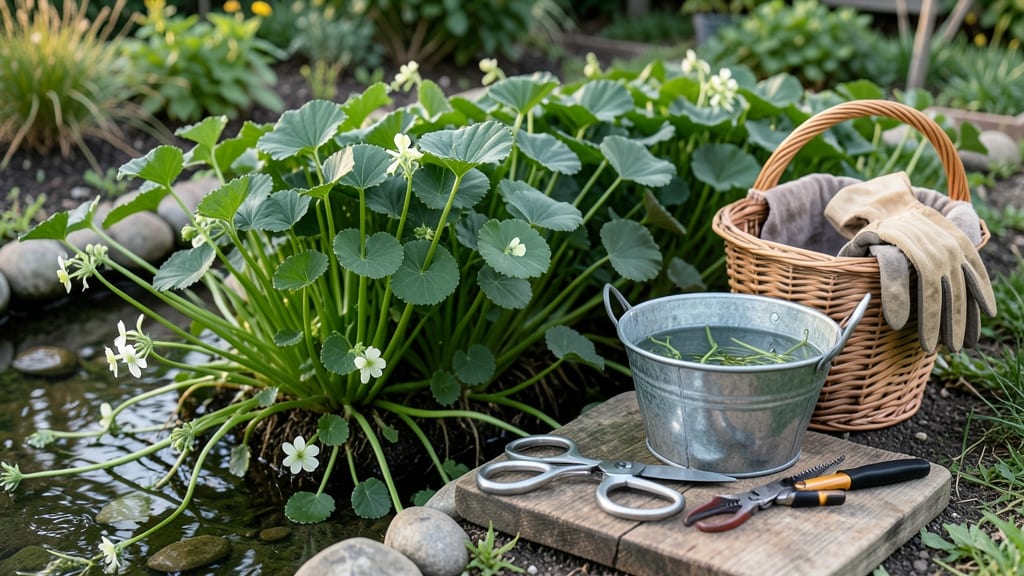
If you’ve ever wondered how to harvest watercress without sacrificing future growth, you’re about to discover the secret to a thriving, peppery harvest all season long.
This fast-growing 🌿 green is one of the easiest plants to nurture—yet timing and technique make all the difference between a handful of bitter leaves and a bountiful, flavorful yield.
The key lies in knowing exactly when to snip those tender stems—before they flower, when leaves are vibrant, and stems remain crisp. I’ll walk you through the ideal timing, from spotting ready-to-pick signs to avoiding common mistakes that stunt regrowth.
Whether you’re harvesting in spring’s cool bursts or stretching yields into fall, these steps ensure your watercress keeps coming back stronger.
Once you’ve mastered the when, the how becomes even simpler: a sharp pair of scissors, a gentle hand, and a few minutes of care can transform your patch into a never-ending salad bowl.
You’ll also learn how to store your harvest to keep it fresh longer, so nothing goes to waste. Let’s dive into the easy, foolproof method that’ll have you harvesting like a pro in no time.
Ready to turn your watercress into a year-round staple? By the end of this guide, you’ll know not just how to pick it, but how to encourage your plants to grow back bushier and tastier with every cut. No more guesswork—just fresh, homegrown greens at your fingertips.


When to harvest watercress for maximum flavor and growth
Harvesting watercress at the right time ensures you get the best flavor and encourage continuous regrowth. Young leaves, typically 2–4 inches long, pack the most peppery punch and tender texture.
Aim to harvest when plants reach 4–6 inches tall—this is when they’re most flavorful and ready for picking.
Timing matters because watercress grows quickly, especially in cool spring and fall conditions.
If you wait too long, the leaves can become bitter and tough, losing their delicate taste. Spring harvests (April–May) and fall harvests (September–October) offer the sweetest, most tender greens, while summer harvests may require more frequent picking to maintain quality.
Watch for these key signs of readiness:
- Bright green, vibrant leaves
- Crisp, tender stems (not woody)
- Active growth (new leaves emerging regularly)
Avoid harvesting when plants are stressed by heat or flowering, as this reduces flavor and yield.
For year-round harvests in mild climates, focus on early morning picks when temperatures are cool. This preserves moisture and flavor, making your watercress last longer after harvest. If you’re in a colder zone, harvest before the first frost to avoid damage.
Pro tip: Harvest outer leaves first to encourage bushier growth. This method lets the plant recover faster and produces a continuous supply of fresh greens. Avoid cutting more than one-third of the plant at a time to prevent overstressing it.
If you’re growing watercress in shallow water, timing is even more critical. Watercress in ponds or streams grows faster but can become woody or bitter if left unharvested. For container-grown watercress, check soil moisture daily—dry conditions slow growth and reduce flavor.
One common mistake is harvesting only the largest leaves, which can leave the plant looking sparse. Instead, use scissor pruning to cut stems just above new growth.
This encourages a fuller, bushier plant and ensures a steady harvest. For maximum yield, space harvests 7–10 days apart during peak growing months.
Seasonal adjustments are key: In spring, watercress grows aggressively, so you may harvest every 5–7 days. In fall, slow growth means spacing harvests to 10–14 days. Always prioritize leaf quality over quantity—a few perfect harvests beat a large but bitter yield.
For long-term success, keep a harvest journal. Note when your plants are most flavorful, how often they regrow, and any environmental factors (like rain or heat waves) that affect growth. This helps you fine-tune your harvest schedule for future seasons.
Finally, never harvest watercress after it’s been exposed to frost or pesticides. Always use organic growing methods to ensure your greens are safe and delicious. With the right timing, your watercress will thrive and reward you with endless fresh, peppery harvests all season long. 🌿
Step-by-step guide to harvesting watercress without damaging plants
Harvesting watercress correctly ensures you get fresh, flavorful leaves while encouraging your plants to regrow. The key is to use the right techniques and timing to avoid stressing the plant. I’ve found that a gentle approach—cutting rather than pulling—keeps my watercress thriving for weeks.
Start by selecting healthy, mature leaves that are 2–4 inches long and vibrant green. These are typically the outer leaves, which have reached their prime flavor. Avoid harvesting leaves that are yellowing or wilted, as these can signal stress or disease.
Always work in the morning after dew has dried for the cleanest, crispest harvest.
- 1. Choose the right tools: Use sharp scissors or pruning shears to make clean cuts. Avoid dull tools that can crush stems and invite pests.
- 2. Identify mature leaves: Look for leaves that are 2–4 inches long and bright green. These are ready for harvest while still tender.
- 3. Cut stems carefully: Snip stems 1–2 inches above the soil to encourage bushier regrowth. Never pull leaves—this can uproot the plant.
- 4. Harvest selectively: Avoid taking more than 1/3 of the plant at once. This prevents over-stressing and ensures continuous harvests.
- 5. Rinse immediately: Place harvested leaves in a bowl of cool water to remove dirt and debris. Pat dry gently with a clean towel.
One common mistake I see is harvesting too aggressively, which can stunt regrowth. Watercress is resilient, but even it needs time to recover. If you’re growing it in shallow water, be extra gentle—roots are more delicate in aquatic conditions.
After harvesting, give your plants a light nitrogen-rich fertilizer to support rapid regrowth.
For continuous harvests, space your cuts every 1–2 weeks during the growing season. This method ensures you always have fresh leaves while keeping the plant healthy. If your watercress starts to bolt or flower, it’s past its prime for harvesting—save those plants for seeds or compost.
Pro tip: If you’re growing watercress in containers, harvest from the outer edges inward. This prevents overcrowding and makes it easier to spot new growth. Always leave the inner leaves to keep the plant productive. With the right care, your watercress can provide harvests for months!
Remember, the goal is to balance yield and plant health. A little patience and precision go a long way in keeping your watercress thriving and delicious. Happy harvesting! ✂️🌱