How To
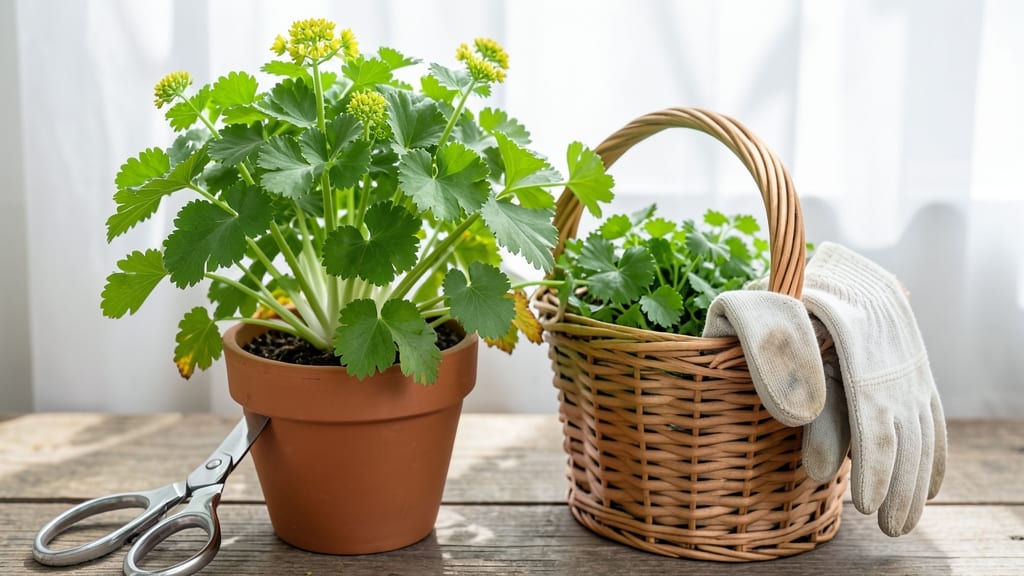
There's nothing quite like the fresh, bright flavor of homegrown Flat Leaf Parsley🌿 straight from your garden to your plate—but only if you harvest it right. The difference between vibrant, flavorful leaves and wilted disappointment often comes down to timing and technique.
I've learned the hard way that harvesting too early or using the wrong method can actually harm your plant and dull its taste.
Whether you're a seasoned gardener or just starting your herb patch, knowing when to cut those stems and how to do it makes all the difference in keeping your parsley thriving.
In this guide, I'll walk you through the exact steps to harvest your Flat Leaf Parsley at its peak—before flowering, when the flavor is strongest—and show you how to cut stems properly to encourage even more growth.
Plus, I'll share my best tips for storing your harvest so it stays fresh longer.
Ready to turn your kitchen into a flavor powerhouse? Let's get started with the secrets to harvesting parsley that tastes like it just came from the garden—and keeps coming back for more.


Best time to harvest flat leaf parsley for peak flavor and growth
Harvesting your flat leaf parsley at the right time ensures you get the most flavorful, vibrant leaves while encouraging your plant to keep producing. Unlike some herbs, parsley doesn’t lose flavor when it bolts, but harvesting too late can make the stems woody and less tender.
The key is to time your harvests based on leaf maturity and seasonal conditions.
For the best results, start harvesting when your parsley reaches about 4-6 inches in height and has at least 6-8 mature leaves. This usually happens around 75 days after sowing, but it depends on your climate and growing conditions.
Early harvests encourage bushier growth, while waiting too long can reduce the quality of your leaves.
Morning is the ideal time to harvest parsley because the leaves are fully hydrated and packed with flavor. Avoid harvesting in the evening or after heavy watering, as the leaves can be more prone to wilting and may not store as well.
If you must harvest later in the day, do it in the early afternoon to give the plant time to recover before nightfall.
Seasonal timing also plays a role in maximizing your harvest. In spring and early summer, parsley grows quickly, and you can harvest every 2-3 weeks to keep the plant productive.
As temperatures rise in late summer, growth slows down, and you may need to space harvests further apart to avoid stressing the plant.
Watch for these visual cues to know when your parsley is ready: dark green, glossy leaves that are firm to the touch, and stems that are thick but not woody.
If you see yellowing leaves or flower buds, it’s a sign that the plant is maturing and may benefit from a final harvest before it goes to seed.
If you’re growing parsley in containers or pots, the timing is similar, but you’ll need to be more cautious about not over-harvesting, as potted parsley has less root space to recover. Always leave at least one-third of the plant intact after each harvest to ensure it continues growing.
- 4-6 inches tall: Ideal height for first harvest to encourage bushier growth.
- Morning harvest: Leaves are crispest and most flavorful after dew has evaporated.
- Every 2-3 weeks: Regular harvesting promotes continuous leaf production in spring/summer.
- Before flowering: Harvest leaves just as buds form to prevent bitterness and seed production.
- Leave 1/3 of plant: Always retain at least a third of the foliage to sustain growth.
One common mistake is waiting until the parsley is too mature before harvesting. If the stems become thick and woody, the leaves will be less tender and flavorful.
To avoid this, make a habit of checking your parsley every 7-10 days during the growing season. This way, you’ll always catch it at the perfect stage for harvesting.
If you’re growing parsley in cooler climates, like USDA zones 3-5, you can extend your harvest season by starting seeds indoors 8-10 weeks before the last frost.
This gives you an early jump on the growing season and ensures you have fresh parsley available sooner. Just be sure to harden off your seedlings before transplanting them outdoors.
For those in warmer climates, like zones 8-10, parsley can often be grown as a winter crop. In these areas, you can plant parsley in fall for a harvest in winter and early spring, when other herbs may be less productive.
Just be mindful of frost sensitivity and protect your plants if temperatures drop below 20°F.
Finally, remember that parsley is a biennial plant, meaning it can live for two years if cared for properly. In its second year, it may produce flower stalks and seeds, but you can still harvest the leaves before it goes to seed.
If you let it flower, you can save the seeds for next year’s planting or share them with fellow gardeners.
Step-by-step harvesting techniques to preserve parsley’s freshness
Harvesting flat leaf parsley correctly isn’t just about timing—it’s about preserving its vibrant color and flavorful punch. The way you cut stems and handle leaves after harvest can extend freshness from 3 days to nearly 2 weeks in the fridge.
Whether you’re growing parsley in containers or your garden beds, these techniques ensure your herb stays crisp and ready for culinary use.
Start by choosing the right tools. A sharp pair of clean scissors or pruning shears prevents crushing stems, which can lead to bitter flavors and wilting. Avoid using your fingers to snap stems—this can damage the plant’s growth points and reduce future yields.
If you’re harvesting from potted parsley, gently lift the pot to a stable surface before cutting to avoid knocking over your plant.
Cut stems at a 45-degree angle just above a leaf node to encourage new growth. This prevents water from pooling on the stem, which can cause rot. For outdoor plants, harvest in the morning when leaves are dewy and hydrated, ensuring maximum freshness.
Never remove more than one-third of the plant in a single session. For example, if your parsley has 24 mature leaves, harvest no more than 8 leaves at once. This balance keeps your plant productive and healthy, ensuring a steady supply of fresh herbs all season.
After harvesting, rinse leaves under cool water to remove dirt, then gently pat dry with a clean towel. Store stems in a glass jar filled with 1 inch of water, covering the leaves loosely with a plastic bag. Place the jar in the crispest part of your fridge (usually the vegetable drawer) to maintain freshness for up to 2 weeks.
For long-term storage, consider freezing or drying your parsley. To freeze, chop leaves finely and spread them on a parchment-lined tray before transferring to a freezer bag. This method preserves flavor for up to 6 months.
If you prefer drying, bundle stems together and hang them in a dark, dry place for 1-2 weeks until crisp. Once dry, strip leaves from stems and store in an airtight container away from light.
Remember, the key to a thriving parsley plant is consistency. By following these harvesting techniques, you’ll enjoy a continuous supply of fresh, flavorful parsley all season long—without sacrificing your plant’s health or productivity.
🌿