How To
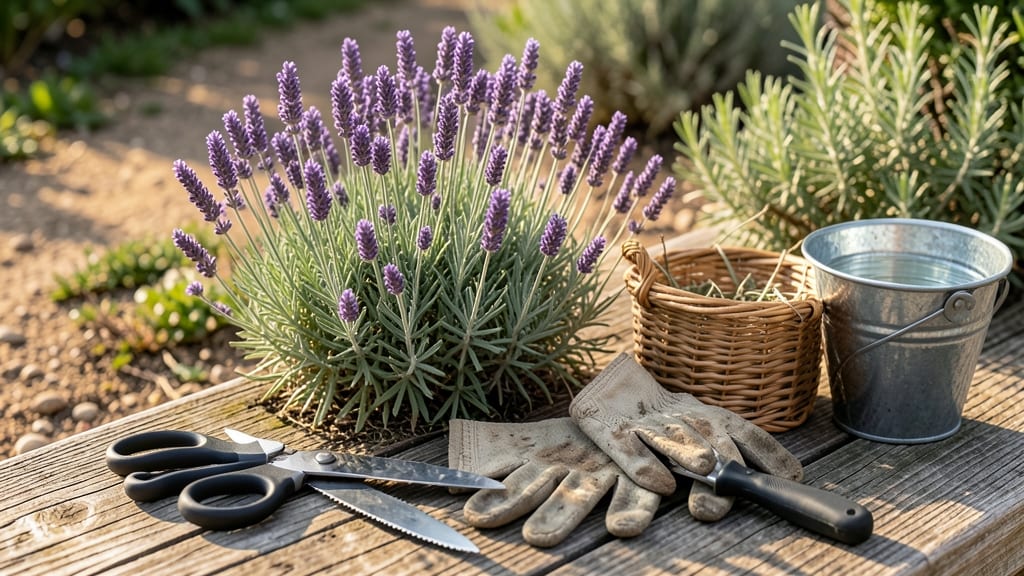
There’s nothing quite like the moment you harvest English lavender at its peak—when the buds are just beginning to unfurl but haven’t yet opened, and the air hums with that unmistakable, intoxicating scent. 🌿
Timing is everything when it comes to harvesting this fragrant herb. Cut too early, and you’ll miss the rich oils that make lavender so prized for sachets, cooking, and relaxation. Harvest too late, and the stems lose their potency, leaving you with wilted blooms instead of aromatic treasures.
In this guide, I’ll walk you through the perfect timing for harvesting—including the best months and signs to look for—so you can maximize your yield without harming your plants.
Whether you’re drying bundles for potpourri or snipping fresh sprigs for your kitchen, these tips will ensure your lavender stays vibrant and fragrant for months.
Ready to transform your garden into a fragrant haven? Let’s dive into the easiest way to harvest English lavender for the most beautiful, fragrant, and long-lasting results.


When and how to harvest English lavender for maximum fragrance and longevity
Harvesting English lavender at the right time ensures the best fragrance and longest shelf life for your dried bundles. The key is to cut stems when flower buds are just beginning to open but haven’t fully bloomed.
This stage—called the bud stage—guarantees the highest essential oil content and vibrant color.
Timing matters most between July and September, when your lavender plants are mature and healthy. Avoid harvesting in extreme heat or rainy conditions, as this can dilute the scent or cause mold.
Instead, choose a cool morning after dew has dried for the best quality and easiest cutting.
Before you begin, gather your tools: sharp pruning shears, clean gloves, and a bucket or basket for holding harvested stems. Always use sterilized shears to prevent spreading disease between plants. Cut stems at a 45-degree angle, about 3-4 inches from the base, to encourage bushier growth.
Never harvest more than one-third of the plant at a time. Over-harvesting weakens the plant and reduces next year’s yield. Focus on healthy stems with woody bases and vibrant buds.
Skip any stems that look wilted or diseased, as these won’t dry well and could spread issues to other plants.
| Stage | Key Characteristics | Action |
|---|---|---|
| Bud Stage | Flowers just forming, stems woody | Harvest for best fragrance |
| Full Bloom | Flowers fully open, stems brown | Avoid—lower oil content |
| Overripe | Flowers browned, stems brittle | Discard or compost |
| Morning Dew | Dew present on stems | Wait until dew dries |
After cutting, bundle stems in small groups of 5-10 and tie them with twine or rubber bands. Hang bundles upside down in a dry, dark, well-ventilated space like a garage or shed.
Avoid direct sunlight, as this can fade the color and reduce fragrance. It takes 2-3 weeks for lavender to dry completely.
Test for readiness by gently rubbing a dried flower—if it crumbles easily and releases a strong lavender scent, it’s ready for storage. Store dried lavender in airtight glass jars or fabric sacks away from light to preserve its aroma for up to 12 months.
Label jars with the harvest date to track freshness.
For culinary use, harvest lavender when buds are fully open but not yet browned. Use it sparingly—just 1-2 sprigs per dish—to avoid a soapy flavor.
Always remove flowers before cooking to prevent bitterness. Fresh lavender can also be used in homemade potpourri or relaxing sachets for a calming aroma.
If you notice yellowing leaves or stunted growth after harvesting, your plant may need a light fertilizer in early spring. Use a balanced, low-nitrogen formula like 5-10-10 to encourage healthy foliage without excessive growth. Water deeply but infrequently—every 7-10 days—to prevent root rot.
With the right timing and care, your English lavender will reward you with abundant harvests and a garden filled with fragrant beauty. Happy harvesting! 🌸
When and how to harvest English lavender for maximum fragrance and longevity
Harvesting English lavender at the right moment ensures you capture its peak fragrance and oil content. The ideal time is when 10-30% of the buds have just opened, but most remain tightly closed. This stage typically occurs in late summer (July-September), depending on your climate zone.
Look for woody stems that are brown and firm, not green or soft. The flowers should be vibrant purple, and the scent should be strong and sweet. If you wait until the blooms fully open, the fragrance and essential oils diminish significantly, reducing the quality of your harvest.
Morning is the best time to harvest—after the dew has dried but before the midday heat sets in. This preserves the oil content and prevents wilting. Use clean, sharp pruners or shears to cut stems about 6 inches above the base to encourage bushier growth next season.
| Stage | Key Features | Action |
|---|---|---|
| Bud Formation | Tight buds, no open flowers, green stems | Wait 2-3 weeks |
| Early Bloom | 10-30% buds open, woody stems, strong scent | Harvest immediately |
| Full Bloom | Most flowers open, stems may soften | Avoid harvesting |
Avoid cutting more than one-third of the plant in a single harvest to prevent stress. Space out harvests every 4-6 weeks during the growing season to maintain healthy growth.
If you’re harvesting for drying, bundle stems with rubber bands and hang them upside down in a well-ventilated, dry area.
For fresh lavender, trim stems just before use and store them in the refrigerator wrapped in a damp paper towel for up to 5 days. This keeps the scent fresh and vibrant. Always use sterilized tools to prevent introducing diseases like root rot or fungal infections.
Pro tip: If your lavender is over 3 years old, consider rejuvenation pruning in early spring. Cut back half the plant to encourage new growth and maintain its fragrant potency for years to come. 🌸