How To
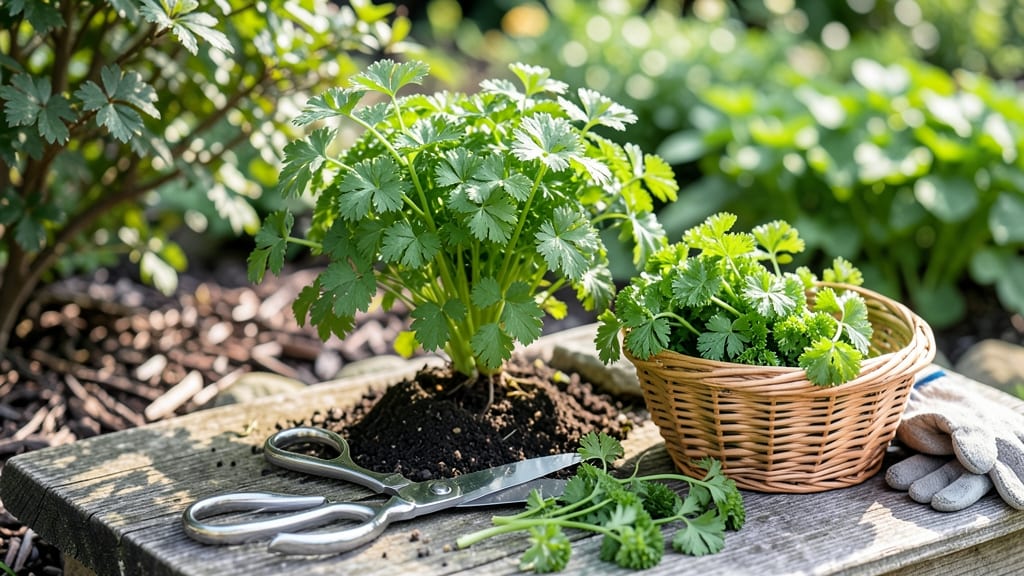
Harvesting curly parsley at the right time could mean the difference between a thriving herb garden and a sad, wilted plant. This versatile 🌿 isn't just for garnishes—it's a flavor powerhouse that keeps giving when you cut it correctly.
You might think harvesting means taking everything at once, but that's actually the fastest way to kill your parsley. The key is patience and precision—harvesting just the right stems at the right time ensures your plant stays lush and productive for months.
Whether you're a seasoned gardener or just starting out, these simple techniques will help you get the most from every harvest.
Timing matters more than you'd expect. Most gardeners wait too long, letting their parsley bolt (flower) and turn bitter. I'll show you exactly when to start harvesting—typically June through October in zone 6a—and how to cut stems without damaging the roots.
This way, your parsley keeps growing back stronger than ever.
Ready to turn your parsley patch into a year-round herb factory? Let's dive into the step-by-step methods that'll have you harvesting fresh, flavorful stems all season long—without sacrificing your plant's health or future yields.


When and how to harvest curly parsley for maximum yield
Harvesting curly parsley at the right time ensures you get the most flavorful leaves while keeping your plant healthy and productive. The key is to harvest when the leaves are fully mature but before flowering, which can make the leaves bitter and reduce regrowth.
For most gardeners, this window opens around 75 days after planting, but timing varies based on your climate and growing conditions.
Outdoor parsley thrives in USDA Zone 6a and beyond, with peak harvest seasons spanning from June to October. In milder climates, you can harvest year-round, but growth slows significantly in winter. Indoor parsley grown near east or west-facing windows can be harvested continuously if given proper light and care.
Always check for these maturity signs before harvesting: dark green, fully curled leaves, stems that are at least 6 inches tall, and crisp stems that snap cleanly when bent. Avoid harvesting when leaves are small or yellowish-green, as this indicates the plant isn’t ready.
Now, let’s dive into the optimal harvest methods and seasonal timing to maximize your yield while keeping your parsley bushy and thriving.
- 📅 Best Time of Day: Harvest in the morning after dew has dried but before midday heat to preserve freshness.
- ⏰ Seasonal Window: Peak harvest is June-October; reduce in winter months (growth slows).
- ✂️ Cutting Method: Use leaf-by-leaf for small needs or stem cuts (2-3 inches from base) for larger harvests.
- 🌱 Regrowth Tip: Never cut more than 1/3 of the plant at once to avoid stunting growth.
- 🚫 Avoid: Harvesting flowering stems (bitter taste) or damaging roots (kills the plant).
- 💧 Post-Harvest Care: Water deeply after cutting to encourage new growth.
For outdoor parsley, focus on harvesting in the early morning during the peak growing months (June to September). This timing ensures you’re capturing the freshest leaves with the highest flavor.
If you’re growing parsley in containers, the same rules apply, but monitor soil moisture more closely since pots dry out faster.
One common mistake gardeners make is harvesting too aggressively or cutting stems too close to the base. This can shock the plant and reduce future yields.
Instead, aim to harvest outer stems first, leaving the inner growth to continue producing leaves. This method encourages a bushier, fuller plant over time.
If your parsley starts to bolt (flower), it’s a sign that the plant is nearing the end of its productive life. While you can still harvest the leaves, they’ll begin to taste bitter, and regrowth will slow.
To prevent bolting, ensure your parsley gets consistent moisture and partial shade, especially in hot climates.
Indoor parsley requires slightly more attention to light and humidity. Place your pot near a bright, indirect light source, like an east or west-facing window, and mist the leaves occasionally to maintain humidity.
Harvest indoor parsley using the same techniques as outdoor plants, but be mindful of overcrowding in containers, which can lead to leggy growth.
To maximize your harvest, consider succession planting. Sow new seeds every 2-3 weeks during the growing season to ensure a continuous supply of fresh parsley. This is especially useful if you use parsley frequently in your cooking or gardening projects.
By following these timing and technique tips, you’ll enjoy a bountiful, flavorful harvest of curly parsley all season long—without sacrificing the plant’s health or future growth potential. 🌱
When and how to harvest curly parsley for maximum yield
Timing is everything when harvesting curly parsley. Aim to harvest your plants 60 to 90 days after sowing, but never let them flower—this signals the end of their productive life.
The ideal harvest window is when leaves are fully curled, dark green, and at least 6 inches tall. This ensures your parsley remains flavorful and encourages continuous regrowth.
For outdoor gardens, focus on harvesting between June and October in most climates.
In warmer regions, you can enjoy parsley year-round, but always prioritize harvesting before the first frost. Indoor parsley thrives with consistent care, so you can harvest as needed throughout the year, provided it gets bright indirect light.
If your parsley starts to bolt (flower), it’s a clear sign to harvest immediately—flavors become bitter, and the plant will eventually die. Seasonal adjustments matter too: in summer heat, harvest more frequently to prevent stress, while fall harvests should taper off as temperatures drop.
For continuous harvests, space out your cuts every 2 to 3 weeks. This rhythm keeps your parsley compact and productive, ensuring you always have fresh leaves for cooking or garnishing. Just remember: consistency is key—skip a harvest, and you risk losing that lush, curly growth.
Pro tip: Label your parsley plants if you’re growing multiple herbs. This helps you track harvest cycles and avoid confusing parsley with other greens like cilantro or dill. A simple garden marker with the plant’s name saves time and headaches!