
How To
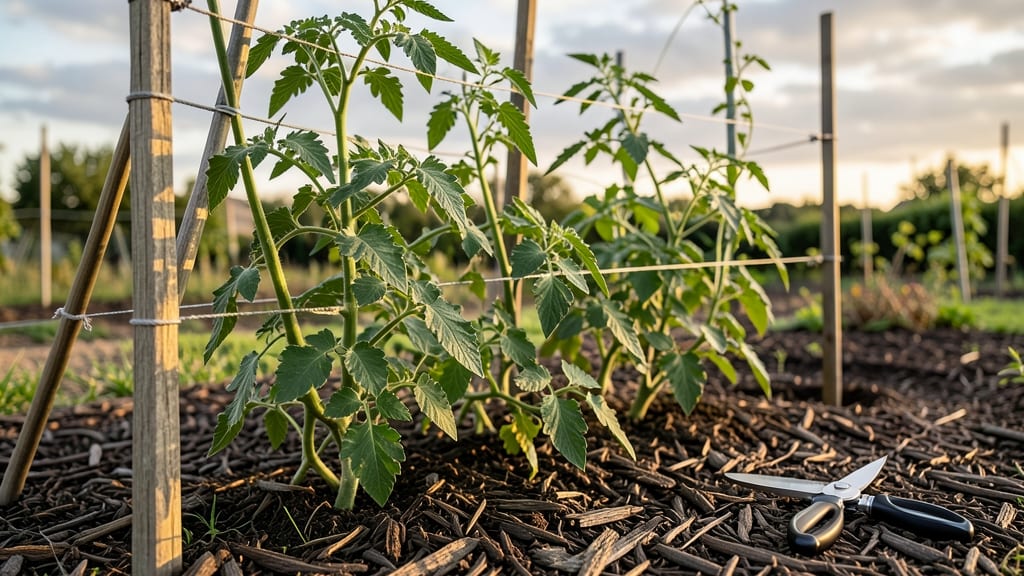
How to grow tall tomato plants that reach for the sky isn’t just possible—it’s foolproof with the right training. 🌱 My first attempt with indeterminate varieties had me questioning my gardening sanity until I mastered the trellis method. The key? Picking the right plants, giving them proper support, and pruning like a pro. Start with indeterminate varieties like 'Sungold' or 'Brandywine'—they’ll climb 6–10 feet if you let them. Pair them with sturdy 6-foot stakes or a cattle panel trellis (cheap and durable), and water consistently to keep roots happy. Prune suckers regularly to focus energy upward, and watch those vines turn your fence into a lush, fruit-laden wall.
📚 In This Guide
- What you need
- Instructions
- Tips and common mistakes
- Wrapping up and next steps
What you need
- ● Tomato Seeds or Seedlings: Choose tall varieties like 'Sungold,' 'Cherry Roma,' or 'Big Beef' (6-8 plants per trellis).
- ● Trellis or Support System: Stakes: 6-8 ft tall bamboo or wooden stakes (1 per plant).
- ● Cages: 5-6 ft tall tomato cages (or DIY wire cages).
- ● Trellis Nets: 3-4 ft wide, 6-8 ft tall (for sprawling varieties).
- ● Potting Soil: 10-15 lbs of high-quality, well-draining potting mix (or compost-amended garden soil).
- ● Containers or Garden Bed: Containers: 5-gallon pots or larger (1 per plant, with drainage holes).
- ● Garden Bed: Raised bed or in-ground plot (12" deep, 18" wide per plant).
- ● Fertilizer: Balanced organic fertilizer (e.g., 10-10-10) or compost tea (1 tbsp per plant).
- ● Pruning Tools: Bypass pruners (for trimming suckers).
- ● Garden shears (for larger stems).
- ● Tie Downs: Soft plant ties or Velcro garden straps (3-4 per plant).
- ● Garden twine (for DIY trellis support).
- ● Mulch (straw or shredded leaves to retain moisture).
- ● Drip irrigation system or soaker hose (for consistent watering).
- ● Plant markers (to label varieties).
- ● Garden gloves (for comfort while pruning).
Step-by-step instructions for training tomato plants on a trellis
Here’s how I transform sprawling tomato vines into sturdy, sky-reaching giants—without sacrificing yield or health.
🌱 Step 1: Select the Right Trellis and Plant Strong Stems Early
Choose a freestanding trellis (like a tomato cage or sturdy bamboo frame) that’s at least 6 feet tall—taller if your variety is indeterminate. I use a 5-foot-tall metal cage for my Big Beef plants and reinforce it with wooden stakes for extra stability. Install it at planting time, pressing the base 1 inch deep into the soil so it doesn’t topple as the plant grows.
When transplanting seedlings, avoid burying the stem too deep—this encourages weak growth. Instead, plant so the top set of leaves sits just above soil level. The trellis will guide the main stem upward, but you’ll need to tie the plant to the support every 12 inches as it grows. Use soft plant ties (not wire) to prevent stem damage.
☀️ Step 2: Prune for Airflow and Direct Vertical Growth
Once the plant reaches 18 inches tall, start pruning. Remove suckers (the small shoots that form in the leaf axils) immediately—they drain energy from fruit production. I pinch them off with my thumb and forefinger, leaving a tiny stub to prevent infection. Never let suckers grow beyond 2 inches, or they’ll compete with your main stem.
Prune only in the morning when humidity is low, and use sterilized pruners (wipe with rubbing alcohol between cuts). The goal is to keep the plant focused on vertical growth—this means removing lower leaves that would shade the fruit or touch the soil (which spreads disease). Stop pruning 3 weeks before your first expected frost to let remaining leaves ripen existing fruit.
🪴 Step 3: Train and Secure the Main Stem Weekly
Every 7-10 days, gently weave the main stem through the trellis or loop it around the cage’s wires in a spiral. Use soft fabric ties (like old T-shirts cut into strips) to secure it—never wire, which can girdle the stem. The tie should hold the plant firmly but loosely, allowing room for growth. I check ties weekly and adjust as the stem thickens.
If your plant leans heavily to one side, it’s not getting even light. Rotate the trellis a quarter turn weekly so the plant grows straight. You’ll know you’re doing it right when the stem is thick (½ inch or more) and the leaves are dark green—not pale or leggy. Avoid over-tightening ties—you want the plant to grow into the support, not be strangled by it.
✂️ Step 4: Manage Fruit Load and Prevent Overburdening
When flowers appear, limit fruit clusters to 1-2 per stem section—too many fruits weigh down the plant and cause blossom end rot or stem breakage. I remove excess flowers by twisting them off gently (don’t cut—it leaves wounds). Leave only the healthiest-looking flowers on the bottom 6-8 inches of stem, as these will ripen first.
Watch for yellowing leaves or cracked stems—these are signs the plant is overloaded. If you see fruit touching the ground, it’s time to harvest early or prune more aggressively. Indeterminate varieties (like Sungold) need more frequent pruning than determinate ones (like Roma), since they keep producing new growth all season.
💧 Step 5: Water and Fertilize for Vertical Strength
Water deeply at the base 2-3 times per week, ensuring the top 6 inches of soil stay moist (not soggy). Avoid wetting leaves—this spreads fungal diseases like early blight. I use a soaker hose for 20 minutes per plant to encourage deep root growth, which supports the plant’s height. Stop watering 2 weeks before harvest to concentrate flavor in the fruit.
Fertilize every 4-6 weeks with a balanced 10-10-10 or tomato-specific feed high in phosphorus (like 5-10-10). Never fertilize after mid-August—new growth won’t harden off before frost. You’ll know your plant is thriving when it produces new leaves and flowers continuously and the stem feels firm when squeezed (not hollow or brittle).
Tips & tricks for sky-high tomato success
These game-changing insights will help you avoid common pitfalls and maximize your trellis-trained tomato harvest.
Support System Stability: When installing your freestanding trellis, drive wooden stakes into the ground at a 45-degree angle and attach the cage with zip ties or heavy-duty twine. This creates a wind-resistant anchor system—especially critical for indeterminate varieties that can grow 10+ feet tall. I've seen metal cages topple in summer storms when not properly secured, so take 10 minutes extra at planting to reinforce the base.
Pruning Precision: The 18-inch height threshold for starting pruning is your first major milestone. At this stage, identify the strongest central stem—it should be the thickest and most upright. Remove all competing stems immediately, as they'll siphon 30% of the plant's energy away from fruit production. Use your fingers to pinch suckers cleanly, leaving no stubs longer than ½ inch to prevent disease entry points.
Training Technique: When weaving the main stem through your trellis every 7-10 days, create a gentle spiral rather than a straight vertical path. This natural curve helps distribute weight more evenly and prevents stem breakage under heavy fruit loads. The ¼-turn weekly rotation you do with the trellis should complement this spiral—think of it like guiding a vine up a winding staircase rather than a straight ladder.
Fruit Load Strategy: The 6-8 inch rule for leaving only the healthiest flowers on the bottom stem section is non-negotiable for indeterminate varieties. Here's why: these lower flowers will develop into your first harvest, while upper flowers need time to mature. If you're growing Sungold cherry tomatoes, you can push this slightly to 8-10 inches as they're lighter, but never exceed 12 inches between clusters or you'll risk stem collapse.
Pro Tips for Grow Tall Tomato Plants
- These game-changing insights will help you avoid common pitfalls and maximize your trellis-trained tomato harvest.
- Support System Stability: When installing your freestanding trellis, drive wooden stakes into the ground at a 45-degree angle and attach the cage with zip ties or heavy-duty twine.
- Pruning Precision: The 18-inch height threshold for starting pruning is your first major milestone.
Frequently asked questions
Got questions about growing tall tomato plants? You’re not alone! Here are some of the most common concerns—plus quick, actionable answers to keep your vines thriving and your harvests sky-high.
How tall can tomato plants grow with trellising?
With proper support and training, indeterminate tomato varieties can reach 10–15 feet or even taller! The key is using a sturdy trellis, cage, or stake system and pruning suckers regularly. Just ensure your structure can handle the weight—especially when fruit sets in.
When is the best time to start trellising tomato plants?
Begin early—as soon as seedlings are 6–8 inches tall and have 3–4 true leaves. Delaying risks tangled vines and weak stems. Use soft ties (like old T-shirts or plant clips) to avoid damaging the stems. Pro tip: Check weekly for growth spurts and adjust support as needed!
Will trellising reduce my tomato yield?
Not at all! Trellising actually improves yield by optimizing sunlight, airflow, and fruit quality. However, prune aggressively to focus energy on upward growth and fruit production. Avoid overcrowding—space plants 18–24 inches apart for best results.
How do I keep pests away from tall tomato plants?
Pests love tall, dense vines! Prevent them early with:
- Neem oil sprays (weekly preventative)
- Row covers for young plants
- Handpick pests like hornworms
- Encourage beneficial insects (ladybugs, lacewings)
Can I grow tall tomatoes in containers? What’s the best setup?
Use a large container (at least 5 gallons) with a tall trellis or tomato cage secured inside. Add a time-release fertilizer and ensure drainage. Dwarf or determinate varieties (like ‘Tiny Tim’) are easier, but indeterminates like ‘Sungold’ thrive too—just prune heavily.
What if my tall tomato plant starts leaning or falling over?
Don’t panic! Reinforce support immediately with:
- Additional stakes or a stronger trellis (bamboo or metal works best)
- Weave vines through the trellis gently to redistribute weight
- Prune lower leaves to reduce strain (but leave some for photosynthesis)
Wrapping up and next steps
Growing tall tomato plants is all about patience, proper support, and a little extra care—but the rewards? Oh-so-sweet! 🌱 With the right trellis, pruning, and feeding techniques, you’ll soon be harvesting bountiful, sun-ripened tomatoes that reach for the sky.
Remember, every gardener starts somewhere, so don’t let a few early setbacks discourage you—keep experimenting and refining your approach!
Now that you’re armed with the secrets to sky-high harvests, it’s time to roll up your sleeves and get planting. Grab your trellis, snip those suckers, and watch your tomato dreams take root—literally! Happy gardening! 🌿✨