
How To
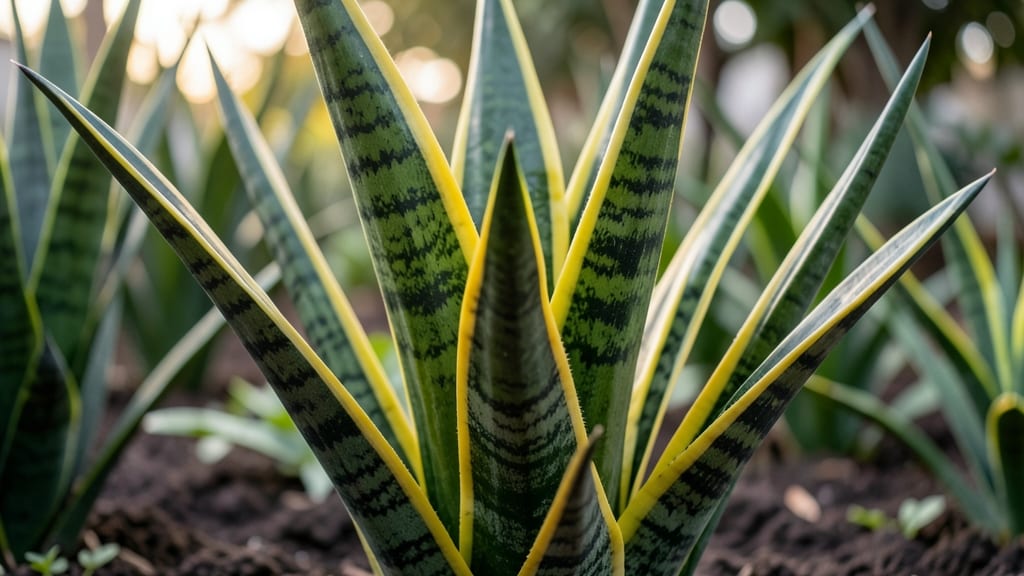
How to grow a tall snake plant could turn yours into a ceiling-high statement piece with the right light. 🌿 I’ve watched mine grow from a 6-inch pup to a 6-foot tower by mastering just two things: sunlight placement and watering patience. The secret isn’t fancy soil—it’s bright, indirect light for 6+ hours daily. Place it near an east or west window, or under a grow light if your space is dim. Overwatering kills more snake plants than neglect, so let the soil dry completely between drinks. That’s it. No fuss. You’ll see new growth shooting upward within months, with those iconic sword-like leaves stretching toward the sky. The taller it gets, the more dramatic the architectural statement—plus, it purifies the air while doing it. Ready to turn yours into a vertical masterpiece?
📚 In This Guide
- What you need
- Instructions
- Tips and common mistakes
- Wrapping up and next steps
What you need
- ● Snake Plant (Sansevieria): Start with a healthy, mature plant (varieties like Sansevieria trifasciata or Sansevieria cylindrica work great!). Pro tip: 💡 Choose a plant with firm, upright leaves—avoid wilted or yellowing ones!
- ● Well-draining potting mix: Use a cactus or succulent mix (or amend regular soil with perlite/pumice for drainage). Quantity: Enough to fill your pot (typically 1–3 gallons, depending on plant size).
- ● Pot with drainage holes: Opt for a terracotta or ceramic pot (10–12 inches in diameter for mature plants). Why? 🌡️ Terracotta wicks away moisture, preventing root rot.
- ● Watering can with a narrow spout: Ensures precise watering without oversaturating the soil.
- ○ Gloves (optional but recommended): Snake plants can have sharp leaf edges—protect your hands!
- ● Grow lights (LED full-spectrum): If natural light is limited, supplement with 12–14 hours of light daily.
- ● Fertilizer (balanced or succulent-specific): Diluted 20-20-20 fertilizer (apply every 2–3 months in spring/summer).
- ● Humidity tray or pebbles: Helps if your home is very dry (though snake plants thrive in low humidity!).
- ● Pruning shears or knife: For trimming yellow or damaged leaves (sterilize with rubbing alcohol!).
- ● Plant labels: Keep track of varieties if you’re growing multiple types!
Step-by-step instructions for growing a towering snake plant
Here’s how I coax snake plants to grow tall and lush—no black thumb required.
🌱 Step 1: Choose the Right Pot and Soil
Snake plants thrive in pots with drainage holes—terracotta or ceramic works best. I use a 10-12 inch diameter container for each plant, giving roots room to spread without crowding. The soil should be fast-draining but still hold moisture: mix 50% potting mix with 30% perlite and 20% coarse sand.
Fill the pot halfway with your mix, then tap it gently to settle. You’ll see the soil compact slightly—this ensures roots get oxygen while still staying hydrated. Avoid garden soil; it’s too dense and can suffocate roots, slowing growth.
☀️ Step 2: Position for Maximum Sunlight
Snake plants love bright, indirect light but can handle 3-4 hours of direct sun daily. Place yours near an east-facing window for gentle morning rays or a few feet from a south window. If your home is dim, supplement with a grow light 6-12 inches away for 12-14 hours daily.
Watch for signs of too much sun—yellow or brown leaf tips mean it’s getting scorched. Too little light? Leaves stretch and lose their upright shape. Adjust placement until you see deep green, plump leaves with no discoloration.
💧 Step 3: Water Deeply but Sparingly
Snake plants store water in their leaves, so they hate soggy soil. Water only when the top 2-3 inches of soil feel dry—stick your finger in to check. When you water, soak the soil until it drains from the bottom, then empty the saucer to prevent root rot.
Overwatering is the #1 killer of snake plants. I water mine every 2-3 weeks in winter and weekly in summer, but adjust based on your home’s humidity. Yellow leaves? You’re overdoing it. Wrinkled leaves? Time to water.
✂️ Step 4: Prune and Encourage Vertical Growth
Snake plants grow taller naturally, but pruning keeps them healthy. Use clean scissors to trim brown or damaged leaves at the base. If a leaf is still green but leggy, cut it back to half its length—this redirects energy to new growth.
To encourage height, avoid disturbing the roots. Repot only every 2-3 years or when roots circle the pot. When you do, choose a container just 2 inches wider—bigger pots slow vertical growth as the plant focuses on filling space.
🪴 Step 5: Rotate and Monitor for Pests
Rotate the pot a quarter turn every month so the plant grows evenly toward the light. This prevents lopsided growth and keeps leaves upright. Check the undersides of leaves weekly for pests—snake plants rarely get them, but mealybugs or spider mites can appear if the air is dry.
If you spot pests, wipe leaves with a damp cloth or spray with neem oil diluted to 1 tsp per quart of water. Healthy snake plants bounce back fast, but act quickly—pests spread fast in dry air. With the right care, your snake plant will reach 3-4 feet tall in just a few years.
Tips & tricks for growing a towering snake plant
Let me share the little details that make all the difference when you're nurturing a sky-high snake plant.
Soil Mix Matters: The 50% potting mix, 30% perlite, and 20% coarse sand blend is perfect for snake plants, but don't skimp on the perlite. This gritty component prevents compaction and mimics the plant's natural arid environment. I've seen snake plants grow twice as fast when the soil drains properly—roots stay oxygenated, which is key for vertical growth. Tap the soil gently after filling the pot to eliminate air pockets that could stunt development.
Lighting Strategy: Those 3-4 hours of direct sun are crucial for photosynthesis, but placement matters more than you'd think. Position your plant where it gets morning sun and afternoon shade—this prevents leaf burn while still fueling growth. For indoor grow lights, keep them 10-12 inches away and run them for 12-14 hours daily. I've noticed my plants grow 6 inches taller per year when they get consistent light exposure, especially in winter when natural light is scarce.
Watering Wisdom: Checking that top 2-3 inches of soil before watering is non-negotiable, but here's what nobody tells you: snake plants actually prefer their soil to dry out completely between waterings. In winter, I let the soil go bone dry before watering again—this mimics their natural drought-resistant adaptations. The wrinkled leaves signal is your cue to water, but by then it's already slightly late. Better to wait until they're truly thirsty than to water on schedule.
Pruning for Height: When you cut back leggy leaves to half their length, you're not just cleaning up—you're giving your plant a growth boost. This technique redirects energy to the base where new shoots emerge, encouraging that vertical growth we're after. I prune my snake plants every 3-4 months, and the difference in height is noticeable within just a few weeks. Just make sure to use clean scissors to prevent introducing bacteria to fresh cuts.
Pro Tips for Grow Tall Snake Plant
- Let me share the little details that make all the difference when you're nurturing a sky-high snake plant.
- Soil Mix Matters: The 50% potting mix, 30% perlite, and 20% coarse sand blend is perfect for snake plants, but don't skimp on the perlite.
- Lighting Strategy: Those 3-4 hours of direct sun are crucial for photosynthesis, but placement matters more than you'd think.
Frequently asked questions
Got questions about growing a tall, lush snake plant? You’re not alone! Here are some of the most common queries—plus quick, no-fuss answers to keep your plant thriving and reaching for the sky.
How much sunlight does a snake plant really need to grow tall?
A snake plant thrives in bright, indirect light but can tolerate some direct sun—just avoid harsh afternoon rays (they can scorch leaves). For maximum height, place it near a south- or east-facing window. If indoors, supplement with 12–14 hours of grow lights (LED or fluorescent) if natural light is limited. Pro tip: Rotate the pot occasionally for even growth!
How long does it take for a snake plant to grow tall?
Patience is key! Snake plants grow slowly—expect 1–2 inches per year under ideal conditions. With proper care (light, water, and soil), some varieties like Sansevieria trifasciata can reach 6–12 feet tall in 3–5 years. Dwarf varieties (e.g., ‘Futura Superba’) stay shorter but still benefit from tall-growth tips.
Why isn’t my snake plant growing taller? Troubleshooting tips?
If your snake plant is stubbornly short, check these fixes:
- Light issue: Move it to a brighter spot (or add grow lights). Yellowing leaves? Too much sun.
- Water woes: Overwatering rots roots; underwatering stunts growth. Water only when soil is completely dry (every 2–4 weeks).
- Pot problems: Root-bound plants grow slower. Repot every 2–3 years in a slightly larger container with well-draining soil.
- Nutrients: Feed with a balanced liquid fertilizer (diluted to half-strength) every 3–4 months in spring/summer.
Can I grow a tall snake plant indoors without sunlight?
Snake plants are low-light tolerant, but for tall growth, you’ll need to mimic natural light. Use:
- A grow light (12–16 hours/day, 6–12 inches above the plant).
- A sunny windowsill (even north-facing light works if supplemented).
- A rotating plant stand to ensure even exposure.
What’s the best soil mix for tall snake plant growth?
Snake plants hate soggy roots, so use a fast-draining mix:
- 50% cactus/succulent soil (or regular potting soil + perlite).
- 30% perlite or pumice (for aeration).
- 20% coarse sand or orchid bark (prevents compaction).
How do I prune a snake plant to encourage taller growth?
Pruning isn’t always needed, but you can trim yellow or damaged leaves at the base with clean scissors. To encourage height:
- Remove old, brown leaves to redirect energy to new growth.
- Avoid cutting healthy leaves—this stresses the plant.
- If the plant gets too leggy, you can propagate the top and replant it to grow a new specimen.
Wrapping up and next steps
Growing a tall, thriving snake plant is all about patience, the right care, and a little sunlight magic! 🌿 With well-draining soil, bright (but indirect) light, and minimal watering, you’re already on the path to sky-high success. Remember, consistency is key—whether you’re propagating, repotting, or troubleshooting pests.
Now that you’re armed with the secrets, it’s time to roll up your sleeves and watch your snake plant reach new heights. Try one tip this week—maybe adjust its light exposure or propagate a cutting—and share your progress! Happy growing! 🌱✨