
Size
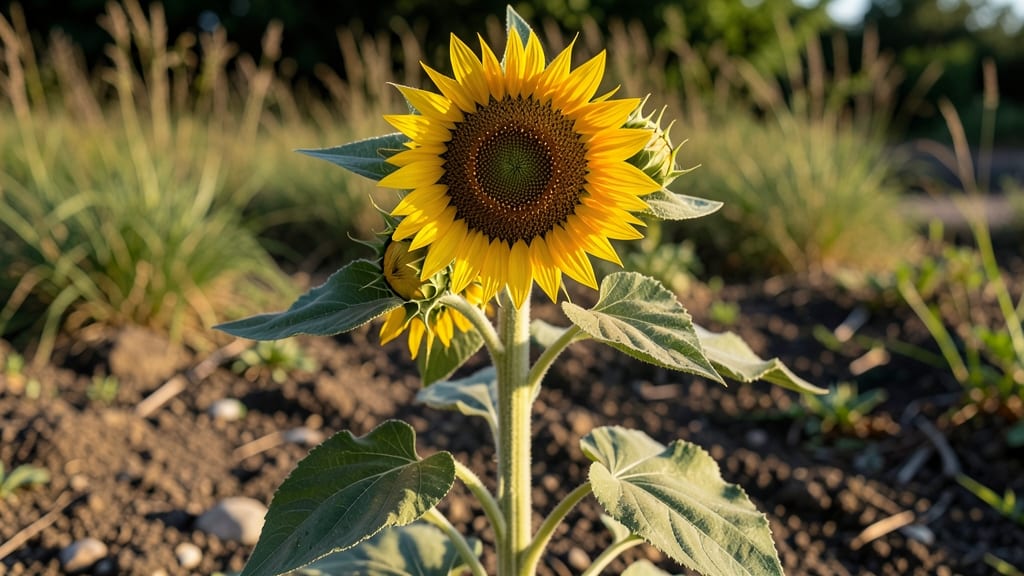
How to grow sunflowers in Florida’s relentless sun requires the right varieties to thrive. ✨ I’ve grown them here for years, and the key is choosing heat-tolerant types like ‘Autumn Booster’ or ‘Moulin Rouge’—they handle humidity and stay upright when others flop. The soil’s the secret weapon: mix in compost before planting to help roots drink up water fast. Florida’s heat means watering deeply twice a week, but never letting them sit soggy. A 5-gallon pot or well-drained bed keeps them happy all season. By late summer, you’ll have 10-foot giants with faces big enough to hide behind. The birds might get there first, but a netting trick keeps the blooms on your cutting table for weeks. Works for containers, borders, or even as a privacy screen. Here’s how to make it work without wilting in the heat.
📚 In This Guide
- What you need
- Instructions
- Tips and common mistakes
- Wrapping up and next steps
What you need
- ● Sunflower seeds: Choose heat-tolerant varieties like ‘Russian Giant,’ ‘Moulin Rouge,’ or ‘Autumn Beauty’ (100–200 seeds, depending on desired quantity).
- ● Well-draining potting mix or garden soil: 5–10 gallons (for containers) or amend native soil with compost (2–3 inches mixed into the top 12 inches of soil).
- ● Fertilizer: A balanced 10-10-10 or 5-10-10 granular fertilizer (1–2 tbsp per plant at planting time).
- ● Mulch: Straw or wood chips (2–3 inches) to retain moisture and suppress weeds.
- ● Watering can or hose with a gentle spray nozzle: Sunflowers need 1–2 inches of water per week (more during Florida’s dry spells!).
- ● Garden trowel or hand shovel: For planting seeds 1–1.5 inches deep.
- ● Measuring tape or ruler: Space seeds 6–12 inches apart (closer for bush varieties, farther for giants).
- ○ Garden stakes or tomato cages (optional): Tall varieties (6+ feet) may need support—use 3–4 foot stakes per plant.
- ● Pruners or scissors: For deadheading spent blooms to encourage more flowers.
- ○ Gloves (optional): Protect your hands from thorny stalks or rough soil.
- ● Sunlight: Full sun (6–8+ hours daily)—Florida’s climate is perfect for sunflowers!
- ● Well-drained soil: Avoid soggy soil; sunflowers hate “wet feet.”
- ● Patience: Germination takes 7–14 days in warm soil (70°F+).
- ● Pest awareness: Watch for bird damage (use netting for young plants) and aphids (spray with soapy water if needed).
Step-by-Step instructions for growing sunflowers in Florida’s heat
Here’s my foolproof method for growing sunflowers that thrive in Florida’s sweltering summers—no wilting, no bolting, just towering blooms.
🌱 Step 1: Choose the Right Heat-Resistant Varieties
Skip the standard sunflower seeds—Florida’s heat demands tougher varieties. I always go for ‘Moulin Rouge’ (short but prolific) or ‘Autumn Beauty’ (heat-tolerant with striped blooms). These handle 90°F+ without bolting early. Check seed packets for “short-day” or “tropical” labels—these are bred to perform when days stay long.
Start seeds indoors 6-8 weeks before last frost (February-March for most of Florida) or sow directly after soil warms to 60°F (April-May in North Florida, March in South). I use biodegradable peat pots to avoid disturbing roots later. Plant 1-2 seeds per pot, just ½ inch deep—deeper planting delays germination in hot soil.
☀️ Step 2: Plant in Full Sun with Well-Draining Soil
Sunflowers need 6+ hours of direct sun daily, but Florida’s intense rays can scorch young plants. I plant mine in morning sun with afternoon shade (use a 30% shade cloth if no natural shade exists). Amend heavy clay soil with 2 inches of compost—sunflowers hate soggy roots but love nutrient-rich dirt.
Space seeds 6-12 inches apart (check variety guidelines—dwarf types need less room). After germination (5-10 days), thin to the strongest seedling per spot. Water deeply once a week (more in 95°F+ heat) but avoid wetting leaves—this prevents powdery mildew, a common Florida issue.
💧 Step 3: Water Deeply and Mulch to Retain Moisture
Sunflowers have deep taproots, so deep watering (1-2 inches per week) encourages strong stems. I water early morning to reduce evaporation and fungal risks. Mulch with 2-3 inches of straw or wood chips right after planting—this keeps roots cool and locks in moisture during Florida’s dry spells.
Watch for wilting in afternoon heat—this is normal, but if leaves turn crispy, you’re underwatering. Adjust by adding 1 extra inch of water weekly during June-August. Fertilize lightly with balanced 10-10-10 at planting and again when stems reach 2 feet tall—too much nitrogen makes stems floppy.
✂️ Step 4: Support Tall Varieties and Deadhead for More Blooms
Tall sunflowers (‘Russian Giant’ or ‘ProCut’) need staking in Florida’s wind and storms. I use 3-foot bamboo stakes tied loosely with soft twine—tight ties strangle stems. For shorter varieties, cluster planting (3-4 plants together) provides natural support.
Deadhead spent blooms by snipping stems 2 inches below the flower head—this redirects energy to secondary blooms and extends the season. I harvest fully open blooms by cutting stems at a 45-degree angle and placing them in cool water to prolong vase life. Save seeds from the best-performing plants for next year’s garden!
🌿 Step 5: Protect from Pests and Prepare for Winter
Florida’s pests target sunflowers—aphids, beetles, and birds love the seeds. I spray neem oil preventatively and handpick beetles. For birds, I cover plants with lightweight netting once heads form. If powdery mildew appears (white dust on leaves), treat with baking soda spray (1 tsp per quart of water).
After first frost (November in North Florida), cut back stems to 6 inches tall and compost the debris. Most sunflowers are annuals, but ‘Autumn Beauty’ sometimes self-seeds—let a few go to seed for next year’s free plants. Rotate planting spots yearly to prevent soil-borne diseases.
Tips & tricks for growing towering sunflowers in Florida’s heat
Here’s what I’ve learned after growing sunflowers in Florida’s brutal summers—these tricks make all the difference between wilted stems and showstopping blooms.
Variety Selection Matters: The 60°F soil temperature threshold in Step 1 is critical—waiting until soil warms prevents seed rot. For extra heat tolerance, look for varieties labeled “tropical” or “short-day” on seed packets. I’ve found ‘Autumn Beauty’ handles 90°F+ afternoons better than standard types, producing those gorgeous striped blooms even in July. The key is choosing seeds bred for Florida’s long, hot days.
Morning Sun Strategy: Florida’s afternoon sun is intense—plant sunflowers in spots with morning sun and afternoon shade (Step 2). If you can’t find natural shade, a 30% shade cloth works wonders. I’ve seen seedlings crisp up by noon when planted in full sun all day. Also, avoid wetting leaves when watering—this prevents powdery mildew, which thrives in Florida’s humid heat.
Root Care is Everything: Those deep taproots mentioned in Step 3 are why sunflowers need deep watering—water until it drains 6-8 inches deep to encourage strong stems. I use a moisture meter to check soil depth—sunflowers hate soggy roots but need consistent moisture. Mulching with 2-3 inches of straw right after planting keeps roots cool and locks in moisture during Florida’s dry spells.
Deadheading Hack: In Step 4, when you snip stems 2 inches below the flower head, you’re not just cleaning up—you’re extending your blooming season. I’ve had sunflowers produce secondary blooms all the way into October by deadheading regularly. For cutting flowers, harvest when petals are fully open and stems are at a 45-degree angle—this maximizes vase life.
Pro Tips for Grow Sunflowers In Florida
- Here’s what I’ve learned after growing sunflowers in Florida’s brutal summers—these tricks make all the difference between wilted stems and showstopping blooms.
- Variety Selection Matters: The 60°F soil temperature threshold in Step 1 is critical—waiting until soil warms prevents seed rot.
- Morning Sun Strategy: Florida’s afternoon sun is intense—plant sunflowers in spots with morning sun and afternoon shade (Step 2).
Frequently asked questions
Got questions about growing sunflowers in Florida’s sunny (and sometimes sweltering) climate? You’re not alone! Here are answers to the most common queries to help you cultivate stunning blooms with ease.
When is the best time to plant sunflowers in Florida?
Sunflowers thrive in Florida’s warm weather, so aim to plant seeds after the last frost (typically mid-March to early April) for spring blooms. For fall harvests, sow seeds in August or September. Avoid planting in peak summer heat (June–July) to prevent stress—opt for heat-tolerant varieties like ‘Moulin Rouge’ if you must.
Can sunflowers survive Florida’s humidity and heat?
Sunflowers are heat-resistant, but they need well-draining soil and consistent watering (1–1.5 inches per week). Mulch around the base to retain moisture and prevent fungal issues. Choose dwarf or semi-dwarf varieties (like ‘Teddy Bear’) if you’re in South Florida’s intense heat—they handle stress better than towering types.
What pests or diseases should I watch for in Florida?
Sunflowers in Florida often face aphids, spider mites, and sunflower moths. For organic control, spray plants with neem oil or introduce ladybugs. Watch for powdery mildew in humid conditions—improve airflow and avoid overhead watering. If leaves yellow or wilt, check for root rot (common in heavy clay soils) and amend soil with compost.
Do sunflowers need full sun in Florida, or can they tolerate partial shade?
Sunflowers love full sun (6+ hours daily), but in North Florida’s cooler months, they can tolerate partial shade (4–6 hours). In South Florida’s intense light, afternoon shade (e.g., from a patio or tree) can prevent scorching. If growing near buildings, ensure airflow to avoid heat stress—especially for tall varieties like ‘Russian Giant.’
How tall do sunflowers grow in Florida, and do I need to stake them?
Height varies by variety: Dwarf (1–3 ft), Medium (4–6 ft), and Giant (8–12+ ft). In Florida’s windy conditions, staking or caging is wise for varieties over 5 feet—use bamboo stakes or spiral ties. For heavy blooms (like ‘Autumn Beauty’), add support early to prevent snapping. Mulch also helps stabilize soil around stems.
Pro Tip:
For continuous blooms, stagger plantings every 2–3 weeks in spring and fall. This ensures fresh flowers (and seeds!) from early summer through winter. Plus, sunflowers attract pollinators—double win for your garden!
Wrapping up and next steps
Growing sunflowers in Florida is a rewarding journey that brings vibrant color and joy to your garden—even in the heat! 🌞 With the right heat-resistant varieties, proper soil prep, and a little patience, you’ll soon be enjoying towering blooms that turn heads.
Whether you’re a beginner or a seasoned gardener, every seed planted is a step toward brighter days ahead.
Ready to dive in? Start by selecting your seeds, prepping your soil, and planting with confidence. Your sunflower garden will thank you—and so will your neighbors! 🌻