Size
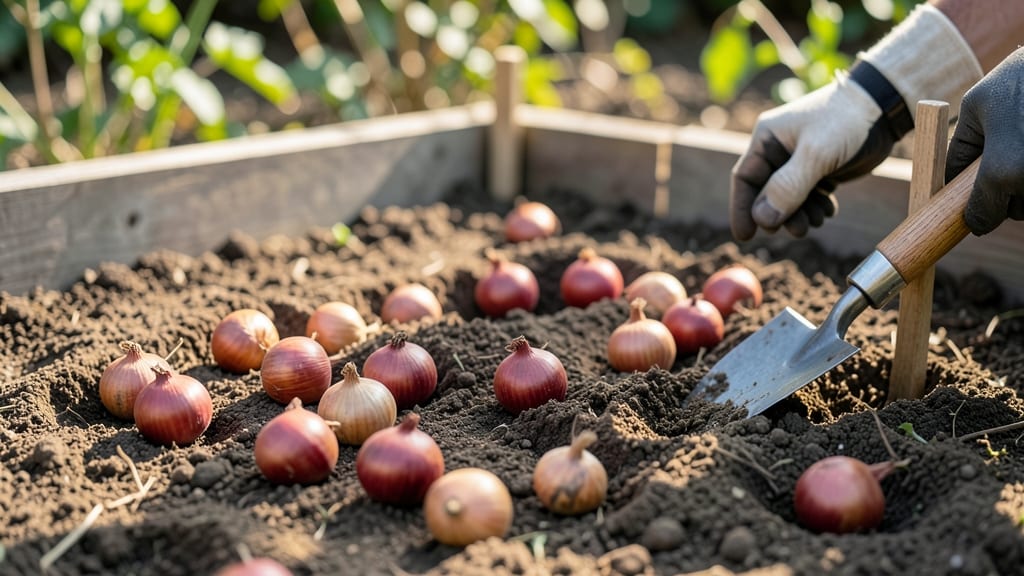
How to grow red onion sets in your garden means crisp, homegrown bulbs by summer. 🌱 I planted mine last spring and harvested enough to fill my kitchen pantry—no more shriveled grocery store onions. The secret? Understanding how these pre-grown starts need just the right conditions to swell into perfect, juicy bulbs.
Start with well-draining soil and full sun—red onions need at least 6-8 hours daily. Plant sets ½ inch deep, spaced 2-3 inches apart in rows 12 inches apart.
Water lightly after planting, then keep soil consistently moist but not soggy. Overwatering causes rot, while underwatering stunts growth—both mistakes I made my first year.
By midsummer, you’ll see thick, papery skins forming around the bulbs. That’s when you know they’re ready to harvest. Pull them when tops flop over, then cure in a dry, shaded spot for 2-3 weeks before storing. Properly cured onions keep for months—no more sad, sprouting bulbs in your pantry.
These onions thrive in cool weather and handle light frosts, making them perfect for early spring or fall planting. Even in small gardens, they’re space-efficient and productive. Let’s get those sets in the ground!
📚 In This Guide
- What you need
- Instructions
- Tips and common mistakes
- Wrapping up and next steps
What you need
- ● Red onion sets: 10–20 sets per 100 sq. ft. (choose certified disease-free sets for best results).
- ● Well-draining soil: Loamy soil with a pH of 6.0–7.0 (amend with compost if needed).
- ● Fertilizer: Balanced 10-10-10 or organic compost (1–2 cups per 10 sq. ft.).
- ○ High-nitrogen fertilizer (like 16-4-8) for early growth (optional).
- ● Water: Consistent moisture (avoid waterlogging).
- ● Garden trowel or transplanting tool (for planting sets).
- ● Garden rake or hoe (to loosen soil).
- ● Watering can or hose with a gentle spray nozzle (for even watering).
- ● Mulch (straw or grass clippings) (to retain moisture and suppress weeds).
- ● Garden gloves (for comfort and hygiene).
- ● Row markers or stakes (to keep plants spaced 4–6 inches apart).
- ● Organic fungicide (like copper spray) to prevent diseases in humid climates.
- ● Drip irrigation system (for automated watering).
- ● Shade cloth (if planting in hot climates to prevent bolting).
Step-by-Step instructions for growing red onion sets
Here's how I grow plump, sweet red onions year after year—no fancy equipment needed.
🌱 Step 1: Choose the Right Onion Sets
Pick red onion sets that are firm, dry, and about the size of a marble. Avoid any that feel soft or sprouted—they won’t develop properly. I always buy certified organic sets from a reputable supplier to prevent disease. Store them in a cool, dark place until planting; they’ll last for months this way.
If you’re unsure about quality, soak the sets in lukewarm water for 10 minutes before planting. This softens the outer layers slightly, encouraging faster root growth. Drain well afterward—soggy sets rot before they even sprout.
🪴 Step 2: Prepare the Soil and Planting Site
Onions thrive in well-draining, loose soil with a pH between 6.0 and 7.0. Work in 2-3 inches of compost into the top 6 inches of soil to improve fertility and drainage. Avoid fresh manure—it can cause bulb rot. If your soil is heavy clay, mix in 1 part perlite to 3 parts soil to create air pockets.
Plant the sets 1 inch deep, spacing them 4-6 inches apart in rows 12 inches apart. This gives their bulbs room to swell without crowding. If you’re planting in containers, use pots that are at least 6 inches deep—one set per pot works best for small harvests.
☀️ Step 3: Provide Consistent Water and Sun
Keep the soil evenly moist but never soggy—onions need 1 inch of water per week, either from rain or irrigation. I water mine in the early morning so the foliage dries quickly, preventing fungal diseases like onion rust. Let the top 1 inch of soil dry out slightly between waterings to avoid rot.
Onions need full sun—6-8 hours daily—for sweet, plump bulbs. If your climate is hot, provide afternoon shade in summer to prevent bolting (when onions flower prematurely). You’ll know they’re getting enough light when the green tops grow straight and sturdy, not leggy or yellowing.
✂️ Step 4: Maintain and Harvest at Peak Time
When the onion tops flop over naturally, that’s your cue to harvest—usually 100-120 days after planting. Gently pull them from the soil, leaving the roots attached. Let them dry in a shady, well-ventilated spot for 2-3 weeks before storing. This curing process prevents mold and extends shelf life.
Don’t harvest too early—small bulbs won’t store well. If you see flower stalks (scape) emerging, snip them off immediately. This redirects energy to bulb growth instead of seed production. Store cured onions in a cool, dark place where they’ll keep for 4-6 months.
Tips & tricks for perfect red onion set growth
Took me years to figure out these little details that make all the difference between puny onions and the kind that make you proud to serve them.
Selection Tip: When you're choosing your red onion sets in Step 1, look for ones that feel like they have a tiny bulge at the base—this is where the roots will emerge. I learned this the hard way after planting sets that were too small and ended up with stunted growth. Also, if you're unsure about quality, that 10-minute lukewarm water soak is a game-changer. It doesn't just soften the outer layers—it helps you spot any hidden rot or disease before planting. Just remember to drain them thoroughly afterward, or you'll have soggy sets that never sprout.
Soil Science: The 6-8 hours of sunlight mentioned in Step 3 is non-negotiable, but what's less obvious is how soil temperature affects early growth. In cooler climates, wait until the soil reaches at least 50°F before planting—cold soil can stunt root development. I've found that mixing in that 1 part perlite to 3 parts soil ratio in Step 2 makes a huge difference in heavy clay soils. It creates those tiny air pockets that roots need to breathe, which translates to stronger plants that can handle the 1 inch of weekly watering without rotting.
Harvest Hack: That 2-3 week curing period in Step 4 is where many gardeners cut corners, but it's absolutely critical. I've seen onions develop mold within days when skipped. To speed up the process, move them to a location with good airflow—like a screened porch or even a well-ventilated garage. The key is to let them dry completely; you're not looking for wrinkled onions, but ones that feel completely dry to the touch. This drying process actually helps preserve their sweetness longer once stored.
Pest Prevention: Here's what nobody tells you—onion flies are the silent killers of red onion sets. As soon as you see those little white maggots near the base of your plants, cover them with lightweight row fabric for 3-4 weeks. I've had entire batches ruined by these pests, and it's completely preventable. The good news is that once the tops flop over, you can remove the fabric and let them finish curing without worrying about further infestations.
Pro Tips for Grow Red Onion Sets
- Took me years to figure out these little details that make all the difference between puny onions and the kind that m...
- Selection Tip: When you're choosing your red onion sets in Step 1, look for ones that feel like they have a tiny bulg...
- Soil Science: The 6-8 hours of sunlight mentioned in Step 3 is non-negotiable, but what's less obvious is how soil te...
Frequently asked questions
Got questions about growing red onion sets?
You’re not alone! Here are answers to the most common queries to help you grow a thriving crop with confidence.
How deep should I plant red onion sets?
Plant onion sets about ½ to 1 inch deep, with the tip pointing upward. If your soil is rocky or dry, slightly deeper (up to 1.5 inches) can help prevent bolting. Just avoid burying the top—it needs light to sprout!
When is the best time to plant red onion sets?
For most climates, plant in early spring (4–6 weeks before last frost) or late summer (8–10 weeks before first frost) for a fall harvest. In warm regions, you can plant year-round, but avoid extreme heat (above 85°F) to prevent bolting.
Can I grow red onions from grocery store sets?
Yes, but choose small, firm sets (like those sold for planting). Avoid large, mature onions—they’re more likely to rot. For best results, buy from a nursery or seed catalog labeled for planting.
What should I do if my onion sets turn yellow or rot?
Yellowing or rotting often signals overwatering, poor drainage, or fungal disease. Improve soil by adding compost, reduce watering, and space plants for airflow. If pests like onion flies are the culprit, use row covers or organic sprays.
Do red onion sets need fertilizer?
A light application of balanced fertilizer (10-10-10) at planting and a nitrogen boost mid-season promotes healthy growth. Over-fertilizing can lead to leafy tops but small bulbs—so follow package guidelines!
Wrapping up and next steps
Growing red onion sets is simpler than you think—just pick the right variety, prep your soil, and give them space to thrive! 🌱 With patience and consistent care, you’ll soon enjoy homegrown, bulb-sized onions packed with flavor.
Whether you’re a beginner or a seasoned gardener, this guide makes it easy.
Ready to take the next step? Start small—plant a few sets this season and expand as you gain confidence. Before you know it, you’ll be harvesting crisp, vibrant red onions straight from your garden! 🌟