
Propagation
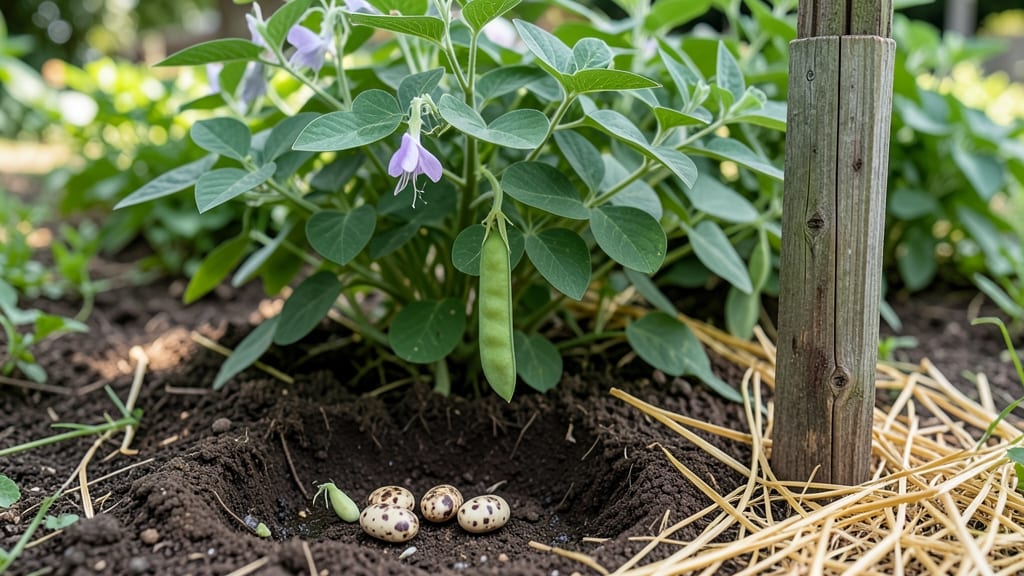
How to grow pinto beans from seeds—pinto beans are the speed demons of the garden. 🌱 I planted my first batch last spring and was shocked when little green hooks broke through the soil within a week. This isn't just luck; it's how pinto beans roll when you give them the right start.
Start with warm soil (at least 60°F) and soak seeds overnight to jumpstart germination. Plant them 1 inch deep, 3-4 inches apart in rows, and watch for those first leaves in just a week.
Pinto beans love sun—give them 6-8 hours daily—and keep the soil consistently moist but never soggy.
By midsummer, you'll be harvesting tender pods filled with speckled beans that taste better than anything from a can. The plants climb naturally, so a simple trellis saves space and keeps pods off the ground.
Even if you've struggled with beans before, pintos are forgiving—just keep them watered and watch them thrive.
Fair warning: these grow fast, so stay on top of watering during dry spells. The key to success is patience in the early weeks and consistent care as they climb. Before you know it, you'll have a harvest that feeds your family and your neighbors too.
📚 In This Guide
- What you need
- Instructions
- Tips and common mistakes
- Wrapping up and next steps
What you need
- ● Pinto bean seeds: 1–2 lbs (about 100–200 seeds, depending on desired yield). Choose heirloom or non-GMO for best results.
- ● Growing containers: Direct sowing: A well-draining garden bed (6+ inches deep, sunny spot).
- ● Container gardening: 5-gallon pots or fabric grow bags (at least 12 inches deep) with drainage holes.
- ● Trellis or support: Bamboo stakes, wire mesh, or a simple A-frame trellis (4–6 feet tall). Pinto beans are vigorous climbers!
- ● Potting mix: Lightweight, organic garden soil (or a 50/50 mix of potting soil and compost). Avoid heavy clay.
- ● Watering can or hose: With a gentle spray nozzle to avoid disturbing seeds.
- ○ Mulch (optional but recommended): Straw or shredded leaves to retain moisture and suppress weeds.
- ● Seed starter kit: For indoor pre-sprouting (if starting early).
- ● Fertilizer: Balanced organic fertilizer (10-10-10) or compost tea for a nutrient boost.
- ● Row covers: Lightweight fabric to protect young seedlings from pests.
- ● Plant labels: To track varieties and planting dates.
Step-by-step instructions for growing pinto beans from seeds
Here's how to get those fast-sprouting pinto beans climbing in no time—ready to harvest in weeks.
🌱 Step 1: Soak Seeds Overnight for Speed
Pinto beans germinate fastest when you start with soaked seeds. Place 4 seeds in a bowl of lukewarm water and let them soak for 8-12 hours. You'll see the skins soften and tiny white sprouts appear—this means they're ready to plant. Real talk: Skipping this step adds 2-3 days to germination time.
After soaking, drain the water and let the seeds sit for another 30 minutes so they don't get waterlogged. Handle them gently—they're delicate now. I like to wrap them in a damp paper towel overnight if I forget to plant them right away. Just keep them in a warm spot, like on top of the fridge.
🪴 Step 2: Plant in Warm, Well-Drained Soil
Choose a sunny spot with 6+ hours of direct sunlight daily—pinto beans need warmth to thrive. Work 2 inches of compost into the top 6 inches of soil to give roots plenty of nutrients. Plant the soaked seeds 1 inch deep and 3 inches apart in rows 18 inches apart.
Here's the thing—pinto beans hate soggy feet. If your soil drains poorly, mix in 1 inch of coarse sand or perlite per planting hole. Press the soil lightly around each seed to remove air pockets, then water gently. You'll know moisture is right when the soil surface looks slightly damp but not glistening.
☀️ Step 3: Provide Consistent Warmth and Light
Germination happens fastest in 70-85°F soil temperatures. If your spring nights are chilly, cover the bed with a lightweight row cover after planting to retain warmth. You should see sprouts in just 5-7 days—that's why pinto beans are called fast-germinators!
Once the first true leaves appear (the second set after the initial seed leaves), remove any row covers. Pinto beans need full sun to produce heavy yields. If your garden gets afternoon shade, place the trellis on the sunny side of the plants so vines can climb toward the light.
✂️ Step 4: Install Trellises Early for Strong Growth
Set up 5-foot-tall trellises or stakes 3-4 weeks after planting, when vines are 6-8 inches tall. Gently weave the main stems through the trellis or tie them to the stake with soft plant ties. Don't wait until vines are sprawling—strong support from the start prevents broken stems.
Watch for side shoots forming at the leaf junctions. These are where beans will develop, but too many compete for energy. Pinch off all but 2-3 strongest shoots per plant to focus growth upward. You'll see faster climbing and heavier pods if you keep the plants pruned this way.
💧 Step 5: Water Deeply and Mulch for Moisture
Pinto beans need 1-1.5 inches of water per week, delivered at the base of the plant. Water deeply 2-3 times per week rather than daily shallow waterings. You'll know moisture is right when the top 2 inches of soil feel dry to touch—that's when it's time to water again.
Spread 2 inches of straw mulch around each plant (keeping it 2 inches away from stems to prevent rot). This locks in moisture and keeps soil temperatures stable. Mulch also prevents soil-borne diseases from splashing onto leaves during watering.
Tips & tricks for fast-germinating pinto beans
Here's what nobody tells you about growing pinto beans that'll have you harvesting in record time.
The Soak Secret: The 8-12 hour soak isn't just about speed—it's about preparing the seeds for their journey. Use lukewarm water (around 85°F) to mimic natural rainfall conditions. If you're short on time, you can soak for just 4 hours, but germination may take an extra day or two. I've even soaked seeds in a damp paper towel in a sealed bag overnight when I forgot to start earlier—just keep them in a warm spot like on top of the fridge.
Soil Temperature Matters: Pinto beans need that 70-85°F soil temperature to germinate quickly. If your spring nights are chilly, place a black plastic mulch over the bed before planting to absorb heat during the day and release it at night. This little trick can shave off critical days from your germination timeline. And remember—those first sprouts are delicate, so avoid disturbing the soil around them until they're at least 2 inches tall.
Trellis Timing: The 3-4 week window for installing trellises might seem flexible, but don't wait too long. Once vines reach 6-8 inches, they need support immediately. I've seen sprawling plants struggle to recover once they're too heavy for their own stems. Pro tip: Use soft plant ties or even old pantyhose cut into strips—they're gentle on young stems and won't leave marks as they grow.
Watering Wisdom: Those 1-1.5 inches of water per week should be delivered consistently. I use a rain gauge to track moisture because pinto beans hate drought stress. Water in the morning so leaves have time to dry before evening—this prevents fungal diseases that can stunt growth. And that 2-inch mulch ring? It's your secret weapon for maintaining even moisture without overwatering.
Pro Tips for Grow Pinto Beans From Seeds
- Here's what nobody tells you about growing pinto beans that'll have you harvesting in record time.
- The Soak Secret: The 8-12 hour soak isn't just about speed—it's about preparing the seeds for their journey.
- Soil Temperature Matters: Pinto beans need that 70-85°F soil temperature to germinate quickly.
Frequently asked questions
Got questions?
Growing pinto beans from seeds is rewarding but can raise a few curiosities—especially for beginners! Here are answers to the most common queries to help you grow like a pro.
How long does it take for pinto bean seeds to germinate?
Pinto beans are fast germinators—typically sprouting within 5–7 days in warm, moist soil (70–85°F). If you’re impatient, soak seeds overnight in warm water to speed up the process. Just ensure they’re planted 1 inch deep for best results!
Can I grow pinto beans in containers or do they need a garden?
Pinto beans thrive in containers at least 12–18 inches deep with good drainage. Use a lightweight potting mix and place them in a sunny spot (6+ hours of light). Just ensure the container is stable—these vines can grow 4–6 feet tall with support!
What should I do if my pinto bean seeds rot or mold?
Seed rot or mold usually means too much moisture or poor drainage. If you notice mushy seeds or fuzzy growth, stop watering immediately and let the soil dry slightly. For future plantings, use well-draining soil and avoid overwatering—pinto beans prefer consistently moist but not soggy conditions.
Do pinto beans need full sun, or can they grow in partial shade?
Pinto beans love full sun (6+ hours daily), but they can tolerate partial shade (4–6 hours) if grown in hotter climates. In shadier spots, expect smaller yields and slower growth. If your garden is shady, choose a south-facing location or use reflective mulch to boost light exposure.
What’s the best way to harvest pinto beans for drying?
Harvest when pods are firm but slightly plump (about 70–80 days after planting). Pick in the morning for best flavor. To dry, hang pods upside-down in a warm, dry, well-ventilated area for 2–3 weeks. Once dry, shell and store in an airtight container—enjoy fresh or dried beans all year!
Wrapping up and next steps
Growing pinto beans from seeds is a rewarding journey that yields delicious, nutritious harvests in just 7 days! With the right soil, sunlight, and a little patience, you’ll soon enjoy fresh beans straight from your garden.
Whether you’re a beginner or a seasoned gardener, these fast-growing champions are perfect for expanding your green thumb skills.
Now that you’re ready to plant, take the next step: mark your calendar and start your seeds today! Watch as your garden transforms into a thriving bean patch—one tiny sprout at a time. Happy growing! 🌱🌟