
Size
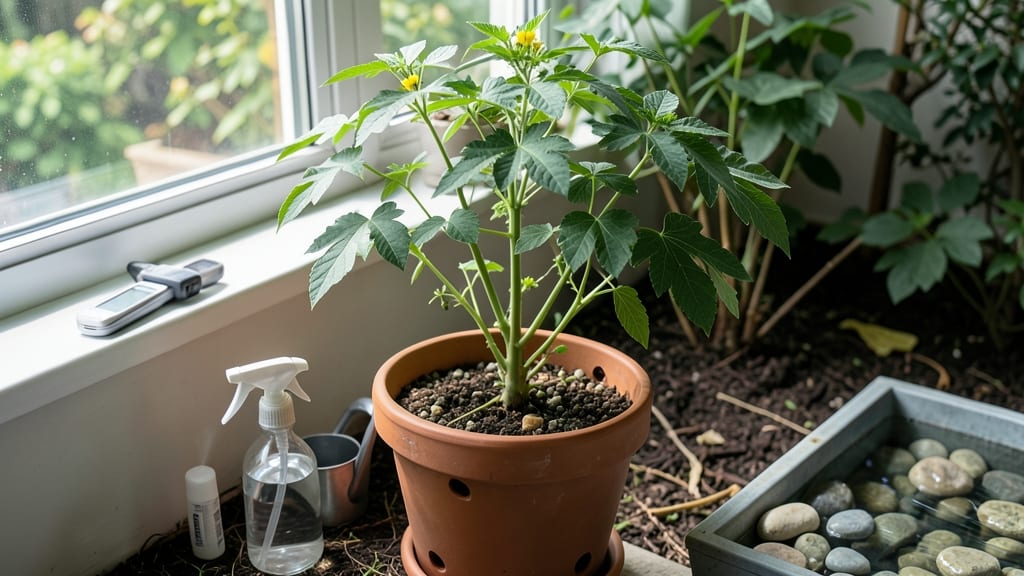
How to grow a moringa tree indoors is faster than you’d expect—new leaves in just 2-3 weeks if you nail the light and soil. 🌱 I tried it last spring after seeing how quickly it grows in tropical climates, and my kitchen windowsill became a mini superfood factory. The key? Mimicking its natural habitat without overcomplicating things. You’ll need a 6-inch-deep container, well-draining soil mix (think cactus blend with compost), and a bright spot where it gets 6+ hours of sunlight daily. Moringa thrives on neglect—water when the top inch feels dry, and skip the fertilizer unless leaves look pale. The plant’s rapid growth makes up for any early missteps. By month two, you’ll have harvestable leaves packed with protein, iron, and vitamins—way fresher (and cheaper) than store-bought. The branches stay flexible, so pruning is just snipping what you need for smoothies or salads. No green thumb? This one’s forgiving. Works in apartments, greenhouses, or even under grow lights. The only challenge? Keeping it from outgrowing its pot—so plan for upgrades early. Ready to grow your own?
📚 In This Guide
- What you need
- Instructions
- Tips and common mistakes
- Wrapping up and next steps
What you need
- ● Moringa seeds or cuttings: 3–5 organic moringa seeds (or 1–2 healthy cuttings, 4–6 inches long)
- ● Ensure seeds are viable (firm, not shriveled)
- ● Containers: 1–2 well-draining pots (5–7 inches in diameter for seeds, 10+ inches for cuttings)
- ● Materials: Terracotta, ceramic, or fabric pots (avoid plastic without drainage holes)
- ● Potting mix: 1 bag (5–10 quarts) of lightweight, well-aerated mix: 60% coco coir or peat moss
- ● 30% perlite or vermiculite
- ● 10% worm castings or compost (for nutrients)
- ● Tools: Small hand trowel or spoon
- ● Spray bottle (for misting)
- ● Pruning shears (for cuttings)
- ○ Rooting hormone (optional, for cuttings)
- ● Light: Grow light (LED, 12–16 hours/day) or south-facing window (6+ hours of direct sunlight)
- ● Temperature: 70–90°F (21–32°C) – moringa thrives in warmth!
- ● Humidity: 40–60% (use a humidifier or pebble tray if air is dry)
- ● Slow-release fertilizer (balanced 10-10-10 or organic options like fish emulsion)
- ● Self-watering pot or moisture meter (to avoid over/under-watering)
- ● Support stake (for taller plants, 18+ inches)
- ● Mulch (like pine bark) to retain moisture
Step-by-Step instructions for growing moringa tree indoors
Here's how I grow moringa trees indoors—fast, lush, and packed with nutrients in just a few months.
🌱 Step 1: Start with Seeds or Young Cuttings
Moringa seeds germinate quickly, but I prefer using 3-4 inch cuttings from a healthy plant for faster results. If starting from seed, soak them in warm water for 6-8 hours to soften the hard outer shell. Plant them ½ inch deep in a small pot filled with well-draining potting mix. Keep the soil consistently moist but not soggy—moringa roots need oxygen to thrive.
If using cuttings, strip the lower leaves and dip the stem in rooting hormone before planting. Place the cutting 1-2 inches deep in moist soil. Cover the pot with a plastic bag to retain humidity, but remove it once new growth appears in 2-3 weeks. This method skips the slow germination phase and gets you growing leaves faster.
☀️ Step 2: Provide Bright, Indirect Light
Moringa trees love light—6-8 hours of bright, indirect sunlight daily is ideal. Place your pot near a south-facing window or under a grow light if natural light is limited. You’ll know it’s getting enough light when new leaves are a vibrant green, not pale or yellowing. If leaves stretch toward the light (a sign of legginess), move the plant closer to the source.
Rotate the pot a quarter turn weekly to ensure even growth. Avoid direct midday sun, which can scorch tender leaves. If you notice crispy edges or brown spots, the plant is getting too much heat. A sheer curtain can diffuse harsh rays while still allowing plenty of light through.
💧 Step 3: Water Consistently Without Overdoing It
Water your moringa tree when the top inch of soil feels dry—usually every 2-3 days, depending on humidity and temperature. Moringa is drought-tolerant once established, but young plants need steady moisture. Overwatering is the biggest mistake—it causes root rot and stunted growth. Always use a pot with drainage holes to prevent soggy soil.
I like to water deeply until it drains from the bottom, then empty the saucer to avoid sitting water. In dry climates, mist the leaves occasionally to mimic tropical humidity. You’ll see faster growth and fewer pests when the plant is happy and hydrated but not waterlogged.
🪴 Step 4: Fertilize Lightly for Fast Growth
Feed your moringa tree every 4-6 weeks with a balanced, water-soluble fertilizer diluted to half strength. Too much fertilizer burns roots and slows growth. I use a 20-20-20 mix in spring and summer when the plant is actively growing. In fall and winter, reduce feeding to once every 8-10 weeks or stop entirely if growth slows.
Watch for signs of nutrient deficiency—yellowing leaves or slow growth mean it’s time to fertilize. Moringa is a heavy feeder, but it’s sensitive to salt buildup from over-fertilizing. Always flush the soil with water after feeding to prevent buildup. You’ll notice lush, dark green leaves within weeks of proper feeding.
✂️ Step 5: Prune and Harvest for Continuous Growth
Prune your moringa tree regularly to encourage bushier growth. Pinch back the tips of new branches when they reach 6-8 inches tall to promote side shoots. You can also harvest leaves by cutting just above a leaf node—this stimulates more growth. Young leaves are the most nutritious, so harvest them when they’re 3-4 inches long.
Harvesting doesn’t harm the plant—it actually encourages faster regrowth. If you want fruit, leave some flowers on the plant. Moringa pods take longer to mature, so focus on leaves for quick harvests. With proper care, you’ll have fresh leaves ready in as little as 3-4 months, making it one of the fastest-growing indoor plants.
Tips & tricks for growing moringa tree indoors
Here's what I learned after growing moringa for years—these tricks make all the difference between a struggling plant and a thriving superfood factory.
Rooting Hormone Boost: For cuttings in Step 1, I don't just dip—after applying rooting hormone, I gently roll the stem in cinnamon powder before planting. The cinnamon acts as a natural antifungal while the hormone stimulates roots. You'll see roots forming in just 10-14 days instead of the full 2-3 weeks mentioned, especially in warm conditions. This is my secret for skipping the plastic bag stage entirely if you're impatient!
Light Optimization: In Step 2, if you notice your plant stretching toward light (legginess), it's not just about moving closer to the window. Try elevating the pot on a saucer or stand to create more space for air circulation around the leaves. I also recommend supplementing with a LED grow light for 12 hours daily during winter months when natural light is scarce—this maintains the 6-8 hour minimum while preventing that weak, spindly growth.
Watering Precision: The top inch dry rule in Step 3 works, but here's the pro move: Use a moisture meter specifically calibrated for tropical plants. Moringa roots thrive when the soil stays between 40-60% moisture. In my experience, this prevents both overwatering (which causes root rot) and underwatering (which stresses the plant). I water when the meter reads 35%—just before the plant signals distress.
Fertilizer Strategy: For Step 4's feeding schedule, I've found that using a fish emulsion fertilizer instead of the standard 20-20-20 gives better results. The nitrogen boost promotes leaf growth while the organic matter improves soil structure. Apply it every 3-4 weeks in spring/summer (instead of 4-6) and flush with water immediately after application to prevent salt buildup. You'll notice more vibrant leaves within 2 weeks of switching.
Pro Tips for Grow Moringa Tree Indoors
- Here's what I learned after growing moringa for years—these tricks make all the difference between a struggling plant and a thriving superfood factory.
- Rooting Hormone Boost: For cuttings in Step 1, I don't just dip—after applying rooting hormone, I gently roll the stem in cinnamon powder before planting.
- Light Optimization: In Step 2, if you notice your plant stretching toward light (legginess), it's not just about moving closer to the window.
Frequently asked questions
Got questions about growing moringa indoors? You’re not alone—this superfood is packed with potential, but it’s natural to have doubts! Below, we’ve answered the most common queries to help you grow your moringa tree with confidence.
How long does it take for a moringa tree to grow indoors?
With the right care, your moringa tree can reach 3–5 feet tall in 6–12 months indoors. The first few weeks focus on root establishment, while leaves appear within 2–4 weeks of germination. Patience is key—moringa grows fast but thrives with consistent light and watering!
Can I grow moringa in water (hydroponics) instead of soil?
Yes! Moringa adapts well to hydroponics, especially in deep water culture (DWC) or Kratky systems. Use a balanced liquid fertilizer (like fish emulsion) every 2–4 weeks. Just ensure the water stays warm (70–80°F) and oxygenated—roots need airflow to avoid rot. Pro tip: Change water every 7–10 days to prevent algae.
Why are my moringa leaves turning yellow or dropping?
Yellowing leaves usually signal overwatering, nutrient deficiency, or root stress. Check these fixes:
- Watering: Let the top 1–2 inches of soil dry out between waterings.
- Light: Move to a south-facing window or grow light (6+ hours/day).
- Nutrients: Feed with a balanced fertilizer (10-10-10) monthly.
- Pests: Inspect for spider mites or aphids—spray with neem oil if needed.
What’s the best temperature range for indoor moringa growth?
Moringa loves warmth! Keep your tree in 65–85°F (18–29°C) for optimal growth. Below 55°F (13°C), growth slows, and leaves may yellow. Avoid drafts (like AC vents) and use a heat mat (70–75°F) if your home runs cool. Fun fact: Moringa is tropical—it thrives where you’d feel comfy without a sweater!
Can I harvest leaves from a young moringa plant?
Yes, but wait until the plant is at least 6–8 inches tall and has 4–6 leaves. Prune young leaves (not flowers/seeds) to encourage bushier growth. Use clean scissors, and never take more than 1/3 of the plant at once. Harvesting stimulates new growth—just avoid over-pruning in winter when energy is low.
Are there moringa varieties better suited for indoor growing?
Most moringa trees (like Moringa oleifera) grow well indoors, but dwarf or bush varieties (e.g., ‘Green Giant’) are ideal for containers. Avoid tall, fast-growing types unless you have 8+ feet of vertical space. Seedlings from reputable nurseries (like Mountain Crest Gardens) are your best bet for healthy starts!
Wrapping up and next steps
Growing a moringa tree indoors is a rewarding journey that brings nutrient-rich greens right to your kitchen—no yard required! 🌱 With the right container, sunlight, and care, you’ll enjoy fresh leaves packed with vitamins and antioxidants in just a few months.
Start small, stay consistent, and soon you’ll be harvesting your own superfood with minimal effort.
Ready to take the next step? Plant your seeds today and watch your indoor garden thrive! Share your progress or ask questions in the comments—we’d love to see (and help with) your green thumb adventure. 🌟