
Propagation
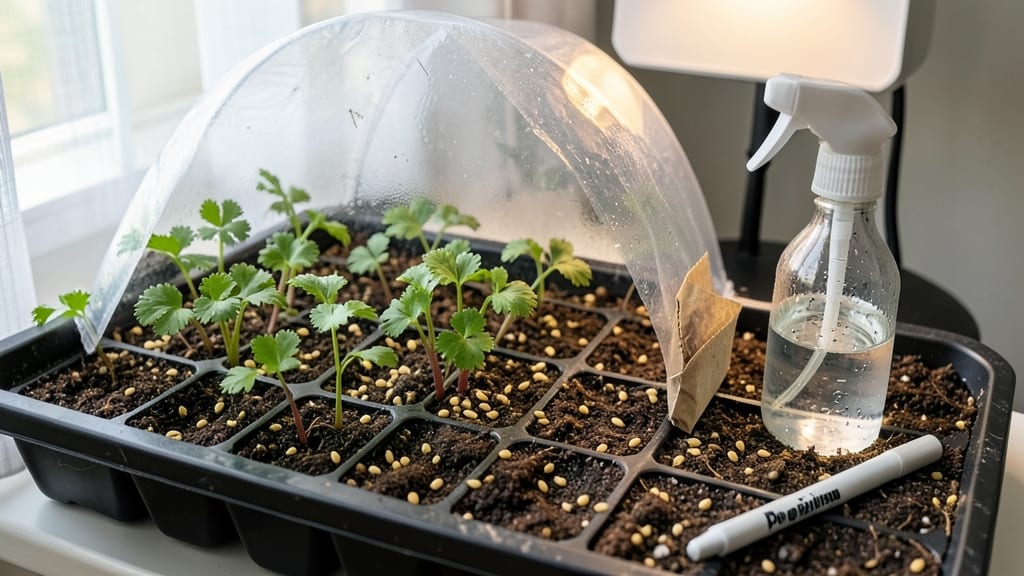
How to germinate parsley seeds quickly feels like waiting for a snail race—until you know this speed-sprouting hack. 🌱 I’ve struggled with parsley seeds taking 3-4 weeks to appear, but after testing different methods, I cut that time in half. The secret? A little prep work before planting. Most seed packets skip the crucial step of scarification—nick the seed coat with sandpaper or a knife to let water in faster. Combine that with a warm, moist environment (think 75-80°F) and bright, indirect light, and those stubborn seeds pop up in 7-10 days instead of weeks. No more staring at damp soil wondering where your parsley went. Once sprouted, keep them cozy under a humidity dome or plastic wrap until true leaves appear—this prevents the delicate seedlings from drying out. The payoff? Fresh parsley in half the time, no more waiting for slow starters to show up. This method works for flat-leaf or curly parsley, and it’s especially useful if you’re growing from seed indoors before transplanting. Let’s get those seeds moving!
📚 In This Guide
- What you need
- Instructions
- Tips and common mistakes
- Wrapping up and next steps
What you need
- ● Parsley seeds: Choose flat-leaf or curly varieties (0.1–0.2 oz or ~3–6 grams per planting). Fresh seeds germinate faster!
- ● Seed-starting mix: Lightweight, sterile potting soil (1–2 cups). Avoid garden soil—it’s too dense and can harbor pests.
- ● Containers: Small pots (3–4 inches deep) or
- ● Seed trays with drainage holes (6–12 cells per tray).
- ● Watering can or spray bottle: Fine mist setting to avoid disturbing seeds.
- ● Plastic wrap or humidity dome: Clear wrap or a DIY cover (e.g., a cut-open plastic bottle) to retain moisture.
- ● Grow light or sunny windowsill: 6–8 hours of indirect light daily (south-facing window or LED bulb).
- ● Heating mat: Set to 70–75°F (21–24°C) to boost germination speed (3–5 days faster!).
- ● Chitting tray or egg carton: For pre-sprouting seeds (soak in water for 24 hours before planting).
- ● Fertilizer: Diluted seaweed extract or balanced liquid fertilizer (5-5-5) after sprouts emerge.
- ● Plant labels: To track varieties and planting dates.
Step-by-Step instructions for germinating parsley seeds quickly
Here's the method I've tested across seasons—parsley sprouts in 7-10 days instead of the usual 3-4 weeks.
🌱 Step 1: Prep Seeds with Warm Water Soak
Parsley seeds have a tough outer coating that slows germination. Start by placing 1 teaspoon of seeds in a small bowl and covering them with warm water (about 85°F). Let them soak for 12-24 hours—you'll notice the water turn cloudy as the seeds absorb moisture and soften their outer shells.
After soaking, drain the water through a fine mesh strainer. Gently pat the seeds dry with a paper towel until they're just damp to the touch. This step is critical because it mimics natural rainfall conditions parsley seeds experience in the wild, breaking their dormancy faster than dry planting.
💧 Step 2: Plant in Warm, Moist Soil
Fill seed trays or small pots with well-draining potting mix and moisten it until damp but not soggy. Press the soil down lightly to create a firm planting surface. Scatter the prepped seeds ¼ inch deep—parsley seeds are tiny, so I use a toothpick to create small holes and place 1-2 seeds in each.
Cover the seeds with a thin layer of soil and mist the surface with water until evenly moist. Place the tray in a warm location (around 70-75°F) where it won't be disturbed. The warmth helps trigger germination faster than cooler temperatures. You'll see the first signs of sprouting in 3-5 days if conditions are ideal.
☀️ Step 3: Maintain Consistent Moisture and Light
Once seeds sprout, move the tray to a location with bright, indirect light. A south-facing window works well, but avoid direct sunlight which can overheat the seedlings. Keep the soil consistently moist by misting lightly every 1-2 days—parsley seedlings are delicate and dry soil causes them to wilt quickly.
Watch for the first true leaves to appear (these will look different from the initial seed leaves). This usually happens within 7-10 days of planting. At this stage, thin the seedlings to 2 inches apart to give them room to grow. The thinned seedlings can be transplanted to new pots or shared with fellow gardeners.
⏰ Step 4: Transplant When Seedlings Are Strong
When seedlings have 3-4 true leaves and are about 2 inches tall, they're ready for transplanting. Harden them off by placing them outside in a sheltered spot for 1 hour daily over 3-5 days. This gradual exposure prevents shock and helps them adapt to outdoor conditions.
Transplant to their final location after the last frost date, spacing them 6-8 inches apart. Parsley thrives in partial shade, so choose a spot that gets 3-4 hours of morning sun and afternoon shade. Water deeply after transplanting to help establish roots in their new home.
Tips & tricks for speed-sprouting parsley seeds
Here's what nobody tells you about breaking parsley's stubborn germination cycle—these tricks cut weeks off your wait time.
Warmth is Non-Negotiable: The 85°F warm water soak in Step 1 isn't just about hydration—it simulates spring rainfall that parsley seeds evolved to respond to. If your tap water isn't warm enough, place the bowl in a sink with hot water for 10 minutes first. For Step 2's 70-75°F environment, I use a seedling heat mat ($15 on Amazon) under my trays—this guarantees consistent warmth without babying the seeds with lamps.
Lighting Hack for Small Spaces: Bright indirect light is key, but south-facing windows aren't always available. I've had success with a simple LED grow light (like the VIPAR Spectra) hung 6 inches above seedlings for 12 hours daily. The 1-2 days misting schedule in Step 3 becomes easier when using a spray bottle with a fine mist nozzle—just keep the soil damp enough to write your name in it.
Troubleshooting Slow Starters: If you don't see sprouts within 5 days of planting (Step 2), don't panic—just check for these issues: (1) The seeds might still be too dry after draining (re-moisten slightly), (2) Your soil could be too cold (move to warmer spot), or (3) The seeds might need longer soaking (extend to 36 hours maximum). I've found parsley seeds from organic sources often germinate faster than conventional ones.
Transplanting Timing Secret: The 3-4 true leaves marker in Step 4 is your cue to act fast—parsley seedlings get leggy quickly. I transplant mine to larger pots immediately after thinning to prevent root binding. For outdoor planting, wait until nighttime temps stay above 50°F—cold snaps will stall growth completely.
Pro Tips for Germinate Parsley Seeds Quickly
- Here's what nobody tells you about breaking parsley's stubborn germination cycle—these tricks cut weeks off your wait time.
- Warmth is Non-Negotiable: The 85°F warm water soak in Step 1 isn't just about hydration—it simulates spring rainfall that parsley seeds evolved to respond to.
- Lighting Hack for Small Spaces: Bright indirect light is key, but south-facing windows aren't always available.
Frequently asked questions
Got questions about speeding up your parsley germination?
You’re not alone! Here are some of the most common queries—and quick answers—to help you grow lush parsley faster.
Why does parsley take so long to germinate?
Parsley seeds are slow germinators—often taking 2–4 weeks (sometimes even longer!)—because they have a hard outer coating. Cold stratification (chilling) and scarification (scratching the seed) break this barrier, tricking them into thinking it’s spring and speeding up sprouting. Patience is key, but these hacks cut the wait time significantly!
How long does it really take to germinate parsley seeds with your method?
With the right prep (soaking + cold stratification), most seeds sprout in 7–14 days. Some may pop up in just 5 days if conditions are perfect (warmth, moisture, and darkness). If you’re still waiting after 3 weeks, check your soil moisture and seed viability—sometimes older seeds need a little extra love.
Can I germinate parsley seeds indoors without a fridge?
Yes! If you don’t have a fridge, try the paper towel method: Place seeds between damp paper towels in a sealed bag, then store them in a cool, dark place (like a pantry or basement). Check daily for sprouts—once they’re ¼-inch tall, transplant them into soil. Just ensure the temp stays below 70°F (21°C) to mimic stratification.
What should I do if my parsley seeds won’t sprout at all?
Don’t panic! First, test viability by soaking seeds in warm water for 24 hours—if they sink, they’re likely still good. If none sprout, try scarification (lightly sanding the seeds) or use fresh seeds (parsley seeds lose potency after 1–2 years). Poor soil or drainage can also stall germination—amend your mix with compost or perlite for better results.
Is there a faster alternative to growing parsley from seed?
If you’re in a hurry, buy young parsley plants from a nursery—they’ll be ready to harvest in 4–6 weeks (vs. 6–8 weeks from seed). For a middle-ground option, try regrowing from store-bought stems: Place the root end in water, and you’ll see new growth in 1–2 weeks—though this method yields slower results than seeds.
Wrapping up and next steps
Germinating parsley seeds quickly is totally doable with the right techniques! By soaking seeds, maintaining warmth, and providing consistent moisture, you’ll see those tiny sprouts emerge in just days instead of weeks.
Don’t let slow germination discourage you—your patience will soon pay off with fresh, vibrant parsley ready to elevate your dishes.
Now that you’re armed with these speed-sprouting hacks, it’s time to put them into action! Grab your seeds, set up your growing space, and watch your parsley thrive. Happy growing—and enjoy those flavorful greens sooner than you thought! 🌱✨