
Size
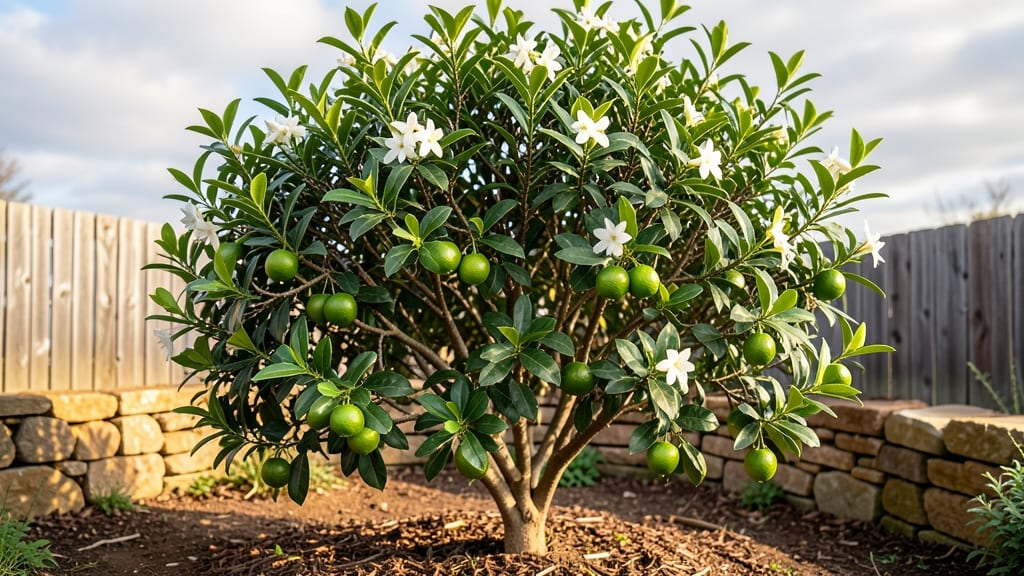
How to grow a Mexican lime tree brings zesty tropical vibes to patios and kitchens. 🌿 I’ve grown mine in containers for years—now they’re loaded with fruit and still fit on my balcony. The secret? Mimicking their natural tropical habitat, even in cooler climates. You’ll need a 10-15 gallon pot with drainage, well-draining soil, and a sunny spot (6+ hours of light daily). These trees thrive in heat but need winter protection if temps drop below 30°F. A simple move to a garage or insulated wrap keeps them alive through cold snaps. By summer, you’ll be harvesting bright green limes for margaritas or cooking—1-2 years after planting from a nursery tree. The scent alone makes my kitchen feel like a Mexican beachfront. Prune lightly to shape, and watch for pests like aphids (spray with soapy water if needed). Works in zones 9-11 year-round, or as a temporary indoor plant in colder areas. Let’s get that citrus growing!
📚 In This Guide
- What you need
- Instructions
- Tips and common mistakes
- Wrapping up and next steps
What you need
- ● Mexican lime tree: A healthy nursery-grown sapling (3–6 inches tall) or a mature tree (if repotting). Look for disease-free plants with vibrant green leaves.
- ● Container: A 5–7 gallon pot (minimum 12–18 inches deep) with drainage holes. Terracotta or fiberglass pots work best for airflow.
- ● Well-draining potting mix: A blend of 50% citrus-specific soil, 30% perlite or pumice, and 20% compost. Avoid heavy garden soil!
- ● Fertilizer: A balanced citrus fertilizer (e.g., 6-6-6 or 8-3-9 NPK ratio) or organic options like fish emulsion or citrus-specific granules.
- ● Watering can or hose with a gentle spray nozzle: Mexican limes hate soggy roots—precise watering is key!
- ● pH testing kit (ideal soil pH: 6.0–7.0 for citrus).
- ● Slow-release fertilizer pellets (for convenience).
- ● Mulch (e.g., pine bark or straw) to retain moisture and regulate temperature.
- ● Pruning shears (sterilized with rubbing alcohol) for shaping and maintenance.
- ● Support stake or trellis (if growing indoors or in windy areas).
- ● A sunny spot with 6+ hours of direct sunlight daily (south-facing window or outdoor patio).
- ● Access to warmth (Mexican limes thrive in USDA Zones 9–11; colder climates need indoor care or a greenhouse).
- ● Patience! 🌱 Trees may take 1–3 years to bear fruit, but proper care speeds up the process.
Step-by-step instructions for growing Mexican lime trees in containers
Here’s how to cultivate a thriving Mexican lime tree—perfect for containers and sunny patios.
🪴 Step 1: Choose the Right Container and Drainage
Pick a 5-gallon or larger pot with drainage holes—Mexican lime trees need room to grow and hate soggy roots. I use unglazed terra cotta because it breathes, but any sturdy container works. If your pot lacks drainage, drill holes yourself—two or three spaced evenly around the bottom.
Line the bottom with 2-3 inches of gravel or broken pottery to create an air gap. This prevents root rot, which is the #1 killer of container-grown citrus. The gravel also helps excess water drain away from the roots, keeping them healthy and oxygenated.
🌱 Step 2: Plant in Well-Draining Soil Mix
Fill the pot with a citrus-specific potting mix—avoid garden soil, which compacts and suffocates roots. I mix two parts potting soil with one part perlite or coarse sand for extra drainage. This lightweight blend mimics the well-draining conditions Mexican lime trees love in their native habitats.
Dig a hole twice as wide as the root ball but no deeper. Gently remove the tree from its nursery pot and place it in the hole, ensuring the top of the root ball sits just below the pot’s rim. Backfill with soil, pressing lightly to remove air pockets but not compacting too tightly.
☀️ Step 3: Position for Full Sun and Warmth
Mexican lime trees crave 6-8 hours of direct sunlight daily. Place your pot in the sunniest spot—south or west-facing is ideal. If you’re in a hot climate, provide afternoon shade to prevent leaf scorch, which turns edges crispy and brown.
Keep the pot in a warm, sheltered area—these trees thrive in 65-85°F temperatures and struggle below 50°F. If nights dip near freezing, move the tree indoors or cover it with a frost blanket. You’ll know it’s happy when new leaves emerge bright green and glossy within a few weeks.
💧 Step 4: Water Deeply and Maintain Consistent Moisture
Water once a week during the growing season, letting the top 2 inches of soil dry out between waterings. Stick your finger in the soil—if it feels dry, it’s time to water. Overwatering is deadly, so always check before adding more.
In summer, you may need to water every 4-5 days, especially in containers where soil dries faster. Use room-temperature water to avoid shocking the roots. A drip irrigation system or self-watering pot helps maintain steady moisture without drowning the tree.
✂️ Step 5: Fertilize and Prune for Healthy Growth
Feed your tree every 4-6 weeks during spring and summer with a balanced citrus fertilizer (look for one with equal nitrogen, phosphorus, and potassium). I use a slow-release granular fertilizer mixed into the top inch of soil for steady nutrition. Avoid fertilizing in winter when growth slows.
Prune in late winter or early spring before new growth starts. Remove dead, diseased, or crossing branches with clean, sharp pruners. You can also trim to shape, but avoid heavy pruning—Mexican lime trees fruit on new growth, so light pruning encourages more blooms. Always sterilize your tools with rubbing alcohol to prevent bacterial infections.
Tips & tricks for perfect Mexican lime tree growth
Here's what nobody tells you about keeping your container-grown Mexican lime thriving year-round.
Container Size Matters: That 5-gallon minimum is non-negotiable for the first 2-3 years. I've seen people cram these into 3-gallon pots thinking they'll "stunt" growth—wrong move! Roots need space to breathe, and cramped conditions lead to stunted growth and poor fruit production. If you're impatient, upgrade to a 7-gallon pot early to give your tree room to flourish.
Soil Science Secret: The 2:1 soil mix ratio (citrus soil to perlite/sand) is perfect, but here's the trick: add 1 tablespoon of Epsom salt to the mix when repotting. This boosts magnesium levels, which Mexican lime trees crave for vibrant foliage and sweet fruit. Just don't overdo it—too much causes leaf burn.
Sunlight Strategy: Those 6-8 hours of direct sun are critical, but timing matters too. Morning sun is gentler, so position your tree to get afternoon shade if you're in a hot climate. I notice the biggest difference when trees get afternoon shade—leaves stay lush and green instead of crisping at the edges. A simple shade cloth works wonders.
Winter Survival Hack: When temps dip near 50°F, move your tree to a sunny indoor spot like a south-facing window. If you must keep it outside, wrap the pot in bubble wrap (yes, really!) to insulate roots. I've kept trees alive through 40°F nights this way—just don't let them sit in cold, wet conditions.
Pro Tips for Grow Mexican Lime Tree
- Here's what nobody tells you about keeping your container-grown Mexican lime thriving year-round.
- Container Size Matters: That 5-gallon minimum is non-negotiable for the first 2-3 years.
- Soil Science Secret: The 2:1 soil mix ratio (citrus soil to perlite/sand) is perfect, but here's the trick: add 1 tablespoon of Epsom salt to the mix when repotting.
Frequently asked questions
Got questions about growing your own Mexican lime tree? You’re not alone—this sun-loving citrus has a few quirks! Here are answers to the most common queries to help you cultivate a thriving tree with confidence.
How long does it take for a Mexican lime tree to bear fruit?
A young Mexican lime tree typically takes 3–5 years to produce fruit, depending on growing conditions. Patience is key—ensure it gets full sun (6+ hours/day), well-draining soil, and consistent watering. Dwarf varieties may fruit faster, while standard trees can take longer. Pro tip: Fertilize with citrus-specific nutrients in early spring to encourage blooming!
Can Mexican lime trees survive winter indoors?
Yes! Mexican lime trees are tender perennials and can’t tolerate frost (<32°F). If you live in a cold climate, move your tree indoors near a south-facing window before temperatures drop. Reduce watering slightly in winter (let the top inch of soil dry out) and avoid drafts. A grow light can help if natural light is limited.
Why are my Mexican lime tree leaves turning yellow?
Yellow leaves usually signal overwatering or nutrient deficiency. Check the soil—it should feel slightly moist but not soggy. If roots are waterlogged, repot in well-draining soil and adjust your watering schedule. Yellowing between veins may indicate iron deficiency; use a chelated iron supplement or adjust soil pH (aim for 6.0–7.0).
Do Mexican lime trees need cross-pollination to produce fruit?
Nope! Mexican lime trees are self-pollinating, meaning they don’t need another tree nearby to bear fruit. However, hummingbirds and bees can improve pollination if they visit your tree. For container growers, gently shake branches during blooming season (spring) to encourage pollen spread.
What’s the best container size for a Mexican lime tree?
Start with a 5-gallon pot for young trees, then upgrade to 10–15 gallons as it matures. Ensure the container has drainage holes to prevent root rot. Dwarf varieties thrive in smaller pots (3–5 gallons), while standard trees need deeper containers for stability. Pro tip: Use a lightweight, breathable fabric pot for easier repotting later!
Can I grow a Mexican lime tree from seed?
Technically yes, but grafted trees (available at nurseries) are the better choice. Seeds take years to mature and may not produce true-to-type fruit. If you’re determined, plant seeds in moist soil, keep them warm (70–80°F), and be patient—germination can take 3–6 weeks.
Wrapping up and next steps
Growing a Mexican lime tree is a rewarding journey—whether you’re drawn to its fragrant blossoms, zesty fruit, or the joy of nurturing a sun-loving citrus plant in containers! With the right location, soil, and care, you’ll soon be harvesting limes for cocktails, cooking, or gifts. 🌱
Ready to take the next step? Start small—plant your seedling or cutting, monitor its progress, and adjust care as it grows. Before you know it, you’ll be enjoying homegrown limes year after year! Check out our guide on pruning and pest control to keep your tree thriving.