
Size
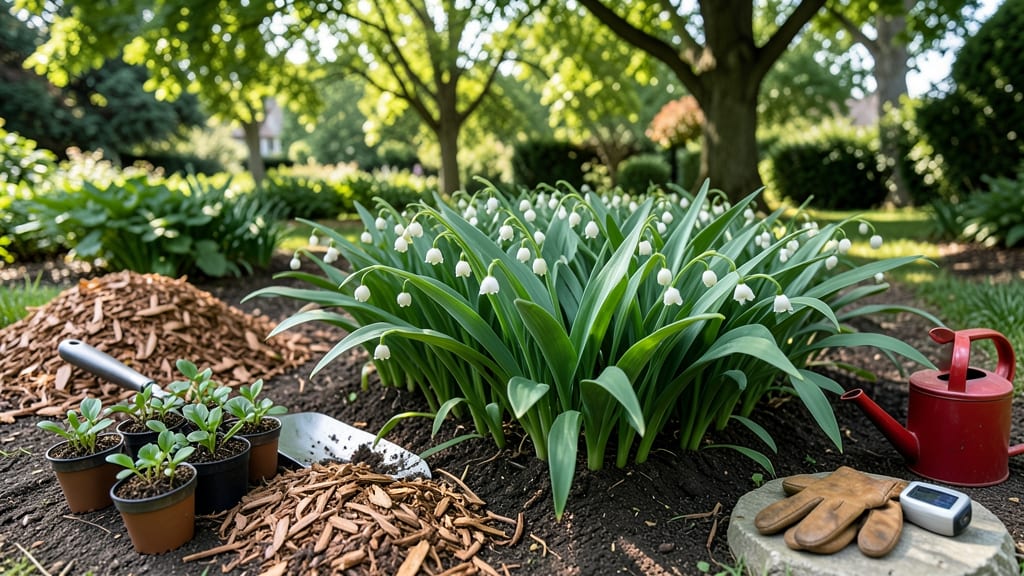
How to grow lily of the valley transforms shady garden corners into fragrant woodland retreats, and the secret to success starts with understanding its natural woodland habitat. Most gardeners struggle because they treat it like a typical garden plant—it thrives where others fail, in dappled shade and moist, humus-rich soil.
The good news? It's one of the easiest shade-loving perennials to grow once you know its preferences. You'll need a spot that gets morning sun and afternoon shade, well-draining but consistently moist soil, and patience—because it spreads slowly but reliably.
The key to blooms is keeping the soil cool and moist throughout the growing season, mimicking its forest floor origins.
By early summer, you'll be rewarded with cascades of bell-shaped white flowers that perfume the air, followed by glossy green foliage that stays attractive all season. The plants multiply over time, creating lush ground cover that chokes out weeds naturally.
Even better, they're hardy in zones 3-8, making them perfect for northern climates.
Fair warning: lily of the valley spreads aggressively—so either plant it where it can roam or contain it with underground barriers. The trade-off? Fewer plants require less maintenance than most garden perennials. Let's get those roots established properly from the start.
📚 In This Guide
- What you need
- Instructions
- Tips and common mistakes
- Wrapping up and next steps
What you need
- ● Lily of the valley rhizomes or divisions: 1–3 healthy, mature rhizomes (each with at least 2–3 growth buds). Pro tip: Look for firm, plump rhizomes with no signs of rot or pests!
- ● Well-draining potting mix or garden soil: 5–10 gallons (depending on container size or garden bed). Mix with 20–30% perlite or compost for aeration.
- ○ Containers (optional but helpful for beginners): 1–2 12–16-inch-wide pots with drainage holes (or a raised bed for in-ground planting).
- ● Mulch: 2–3 inches of organic mulch (e.g., shredded bark or pine needles) to retain moisture and suppress weeds.
- ● Watering can or hose with a gentle spray nozzle.
- ● Garden trowel or small shovel.
- ● Pruning shears (for trimming spent foliage in late summer).
- ● Slow-release balanced fertilizer (10-10-10) (1 tbsp per plant, applied in early spring).
- ● Epsom salt (1 tbsp dissolved in water) for magnesium boosts if leaves look yellow.
- ● Shade cloth (if your garden gets too much indirect sunlight).
- ● Decorative stones or pebbles to enhance the woodland aesthetic.
Tips & tricks for growing fragrant lilly of the valley
These small but mighty details will help you cultivate thriving lilly of the valley that spreads beautifully while maintaining that signature woodland fragrance.
Root Division Precision: When separating rhizomes in Step 1, look for the small, rounded buds that will become next year's shoots. These should be clearly visible along the root segments you're dividing. I've learned the hard way that skipping this visual check often means planting sections without growth potential. The 15-20 minute soaking time is crucial—this helps the roots recover from the shock of division and establishes better root-to-soil contact immediately after planting.
Soil Preparation Strategy: For Step 2's soil amendment, focus on improving drainage while maintaining moisture retention. The 2-3 inches of compost mixed into the top 6 inches creates an ideal microclimate for these woodland plants. I've found that adding a handful of perlite to heavy clay soils helps prevent compaction, which can lead to root rot. The planting depth is critical—those 1-2 inches of soil coverage protect the buds while allowing them to access moisture without becoming waterlogged.
Watering Wisdom: In Step 3, the key is consistent moisture without soggy conditions. I use a moisture meter to check the top 2 inches of soil—this gives me a precise reading rather than relying on finger tests. After the initial deep watering, I maintain this moisture level by watering at the base rather than overhead, which helps prevent fungal issues. The mulch layer acts as a natural moisture regulator, reducing evaporation while keeping soil temperatures stable.
Long-Term Maintenance: When dividing every 3-4 years in Step 5, I recommend replanting one section in the original location to maintain the established fragrance while sharing divisions with others. The balanced 10-10-10 fertilizer helps restore nutrients without encouraging excessive leaf growth. I've noticed that plants divided in early spring establish more quickly than those divided in fall, though both times work well for most climates.
Pro Tips for Grow Lilly Of The Valley
- These small but mighty details will help you cultivate thriving lilly of the valley that spreads beautifully while maintaining that signature woodland fragrance.
- Root Division Precision: When separating rhizomes in Step 1, look for the small, rounded buds that will become next year's shoots.
- Soil Preparation Strategy: For Step 2's soil amendment, focus on improving drainage while maintaining moisture retention.
Frequently asked questions
Got questions about growing lilly of the valley? You’re not alone!
Here are answers to the most common queries—from timing to troubleshooting—so you can nurture these fragrant beauties with confidence.
When is the best time to plant lilly of the valley?
Plant Convallaria majalis in early fall or late winter for the best results. This gives roots time to establish before spring growth. Avoid planting in extreme heat or frost, as tender roots can struggle. If you’re dividing existing clumps, spring or fall (after blooming) is ideal.
How long does it take for lilly of the valley to bloom after planting?
Patience is key! Newly planted divisions may take 2–3 years to bloom, while established clumps can flower in 1–2 years. Focus on keeping the soil moist and shaded—once settled, they’ll reward you with sweet-smelling bells in late spring (April–May in most zones).
Why isn’t my lilly of the valley blooming?
Common culprits include too much sun (they prefer dappled shade), poor soil drainage, or overcrowding. Check for yellowing leaves (sign of root rot) or no new shoots (possible dormancy). Divide clumps every 3–4 years to rejuvenate growth, and ensure they’re in humus-rich, slightly acidic soil (pH 6.0–7.0).
Can I grow lilly of the valley in containers?
Use a 12–18-inch-wide container with drainage holes and a mix of peat moss, compost, and perlite. Keep it in partial shade and water consistently—containers dry out faster. Just know they’ll need more frequent dividing (every 2–3 years) to prevent decline. Perfect for patios or balconies!
Is lilly of the valley toxic to pets or humans?
Yes!
All parts of the plant—especially the berries—contain cardiac glycosides, which are toxic if ingested. Keep it away from dogs, cats, and children. Symptoms of poisoning include vomiting, diarrhea, or irregular heartbeat. Wear gloves when handling, and wash hands after pruning.
What’s a good alternative if I can’t grow lilly of the valley?
Try these fragrant, shade-loving perennials for similar charm:
- Solomon’s Seal (Polygonatum) – Delicate arching stems with dangling white flowers.
- Bleeding Heart (Dicentra) – Heart-shaped blooms in pink or white, thrives in shade.
- Hosta – Lush foliage (some varieties like ‘Francee’ have sweet scents).
- Sweet Woodruff (Galium odoratum) – Low-growing, fragrant ground cover.
Wrapping up and next steps
Growing lily of the valley is a rewarding journey that brings a touch of woodland magic to your garden! With the right shade, soil, and patience, you’ll soon enjoy its delicate blooms and sweet fragrance. Remember, this plant thrives on neglect—once established, it’s low-maintenance and spreads beautifully over time.
Ready to dive in? Start by preparing your shade garden and selecting healthy rhizomes. Then, plant them in well-draining soil and water gently. Before you know it, your garden will be filled with the gentle charm of lily of the valley! 🌿✨
Now that you’re armed with knowledge, take the next step—share your progress or tips with fellow gardeners! Whether you’re a beginner or a seasoned pro, every bloom is a celebration of nature’s beauty.