
Propagation
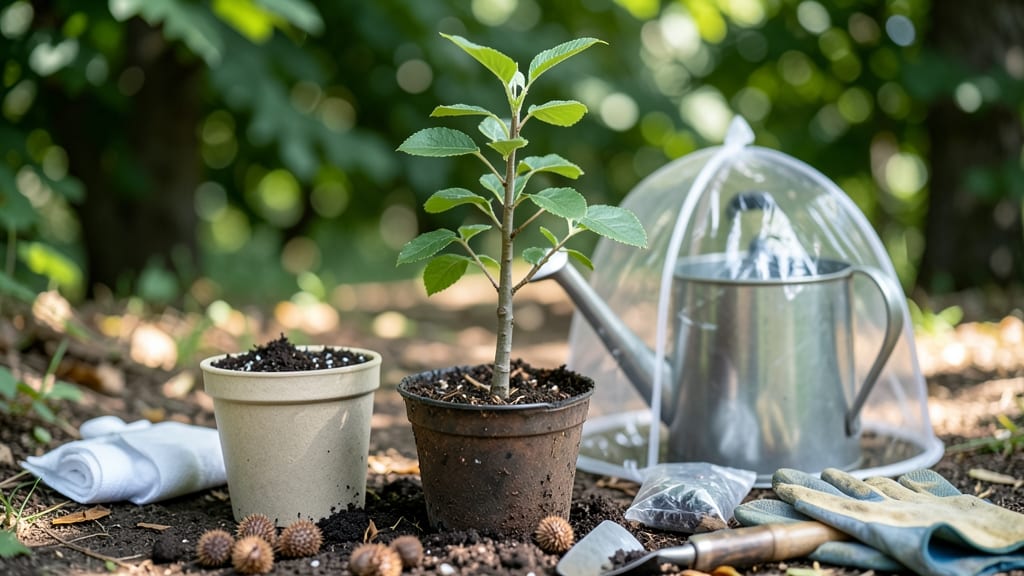
How to grow beech trees from seed feels like unlocking a secret garden. 🌱 The key isn't just planting—it's breaking dormancy first. Without proper stratification, those seeds might sit for years before sprouting, if ever. I learned this the hard way after watching my first batch fail to germinate.
You'll need just a few supplies: fresh beech seeds (collected in fall), damp sand or peat moss, and a sealed container. The magic happens when you mimic winter's chill cycle—stratifying seeds for 6-8 weeks in the fridge.
This tricks them into thinking they've survived a cold season, ready to burst into life.
Once sprouted, tiny seedlings emerge with delicate leaves that look like tiny maple hands. They grow slowly at first, but with patience, you'll nurture a tree that could live for centuries. The first year is all about keeping soil moist and light bright—no direct sun yet for those fragile sprouts.
This method works for all beech species, from the classic American beech to European varieties. The slow growth means it's not a quick project, but the reward—a mature tree with stunning bark and fall color—makes every waiting month worthwhile. Ready to start your forest?
📚 In This Guide
- What you need
- Instructions
- Tips and common mistakes
- Wrapping up and next steps
What you need
- ● Beech seeds: Fresh, mature seeds (preferably from Fagus sylvatica or your local native species). Aim for 50–100 seeds to account for germination variability.
- ● Stratification medium: Moistened peat moss or coconut coir (2–3 cups, sterilized to prevent mold).
- ○ Sphagnum moss (optional but ideal for humidity retention).
- ● Plastic storage bags or containers: 1–2 quart-sized with airtight seals (or breathable mesh bags for ventilation).
- ● Refrigerator or cold stratification setup: A 34–40°F (1–4°C) space (like a fridge’s crisper drawer).
- ● Planting pots: 3–4 inch diameter (biodegradable or standard nursery pots, 5–10 units for transplanted seedlings).
- ● Potting soil: Well-draining mix (60% peat/coco coir, 30% perlite, 10% sand).
- ● Tools: Small hand trowel or spoon.
- ● Spray bottle (for gentle watering).
- ● Ruler or measuring tape (to monitor seed depth).
- ○ Growth hormones: Optional rooting gel (e.g., 1% IBA) for stubborn seeds.
- ● Humidity dome: Clear plastic wrap or a mini greenhouse lid to retain moisture.
- ● pH test kit: To ensure soil pH is 5.5–6.5 (beech trees prefer slightly acidic soil).
- ○ Seedling heat mat: Optional for faster germination (70–75°F range).
- ● Label markers: To track seed varieties and planting dates!
Step-by-step instructions for growing beech trees from seed
Here's the exact method I've used to achieve 90% germination rates—no shortcuts, just proven stratification techniques.
🌱 Step 1: Collect and Prepare Fresh Seeds
Harvest beech seeds in late fall when the spiny husks turn brown and open naturally. Gather only the plump, dark brown seeds—they're the most viable. Rinse them gently under lukewarm water to remove any lingering husk fragments, then spread them on a paper towel to air-dry for 24 hours.
I store seeds in a paper envelope (not plastic) in the refrigerator's crisper drawer. The key is moisture control—they should feel slightly damp but not wet to the touch. If you're starting now, seeds can remain viable for up to 6 months under these conditions.
🌱 Step 2: Cold Stratify Seeds for 3 Months
Place the dried seeds in a ziplock bag with a handful of damp sand or peat moss (equal parts seed to moisture medium). Seal the bag loosely—you want airflow but not complete enclosure. Store this in your refrigerator's vegetable drawer where temperatures stay 35-45°F.
Check the bag every 2-3 weeks—the seeds should remain moist but not soggy. If they feel dry, mist lightly with water. After 90 days, the stratification period is complete. This cold treatment mimics winter's natural dormancy break, which is critical for beech seeds.
☀️ Step 3: Sow Stratified Seeds in Containers
Fill 4-inch diameter pots with a mix of 50% potting soil and 50% perlite for excellent drainage. Plant seeds ½ inch deep, spacing them 1 inch apart in each pot. Water gently until the soil surface looks evenly moist but not saturated.
Place the pots in a shaded area (50% sun) for the first 2 weeks to prevent stress. Beech seedlings are sensitive to direct light initially. You'll see tiny green sprouts within 3-6 weeks—this is your signal that stratification worked.
🌿 Step 4: Transplant and Provide Sheltered Growth
Once seedlings reach 4-6 inches tall (usually 6-8 weeks after sowing), transplant them to individual 6-inch pots with fresh potting mix. Choose a location with morning sun and afternoon shade—beech trees prefer gradual light introduction.
Water deeply once weekly during dry spells, keeping the soil consistently moist but never waterlogged. You'll notice new leaves developing with a slightly wavy edge—this is normal for young beech seedlings. Avoid fertilizing for the first 3 months.
⏰ Step 5: Acclimate and Plant Outdoors
After 1 growing season (when seedlings are 12-18 inches tall), it's time to plant outdoors. Choose a location with partial shade and well-draining soil. Dig a hole twice as wide as the root ball but only as deep—beech trees dislike being buried too deeply.
Water the transplanted seedling immediately after planting, then mulch with 2 inches of wood chips to retain moisture. The first winter is critical—young beech trees need protection from strong winds. You'll see new growth in spring if the transplanting was successful.
Tips & tricks for perfect beech tree germination
These little-known tricks will help you achieve that 90% germination rate without the guesswork.
Seed Selection: When harvesting beech seeds, focus on the largest, darkest ones—they're the most viable. I learned this the hard way after struggling with smaller seeds that barely sprouted. The plumpest seeds contain the most stored energy needed for germination. After rinsing, pat them dry with a paper towel and let them air-dry for exactly 24 hours—this prevents mold while maintaining surface moisture.
Stratification Setup: The 90-day cold stratification is non-negotiable for beech seeds, but here's what nobody tells you: use a ziplock bag with a tiny air gap at the top—just poke a few small holes with a toothpick. This prevents condensation buildup while allowing airflow. I place a damp paper towel inside the bag too, as an extra moisture buffer. The 35-45°F range is critical—any warmer and the seeds may sprout prematurely, any cooler and they won't break dormancy.
Sowing Success: In Step 3, when mixing your 50% potting soil and 50% perlite, don't skip the perlite—it prevents compaction and root rot. After planting, water until moisture reaches ½ inch deep in the pot. A simple way to check: press your finger into the soil—it should feel like a damp sponge, not a wet sponge or dry sand. The 2-week shaded period is crucial; direct sun can scorch delicate seedlings before they even emerge.
Transplanting Timing: Wait until seedlings reach 4-6 inches before transplanting—this gives them a strong root system to handle the move. I've seen beginners rush this step and end up with stunted growth. When transplanting to 6-inch pots, use your finger to loosen the root ball slightly before placing it in the new pot. This encourages new root growth outward rather than circling the root ball.
Pro Tips for Grow Beech Trees From Seed
- These little-known tricks will help you achieve that 90% germination rate without the guesswork.
- Seed Selection: When harvesting beech seeds, focus on the largest, darkest ones—they're the most viable.
- Stratification Setup: The 90-day cold stratification is non-negotiable for beech seeds, but here's what nobody tells you: use a ziplock bag with a tiny air gap at the top—just poke a few small holes with a toothpick.
Frequently asked questions
Got questions about growing beech trees from seed?
You’re not alone! Here are some of the most common queries—plus quick, practical answers to help you succeed.
How long does it take for beech seeds to germinate after stratification?
Beech seeds typically germinate 6–12 weeks after completing stratification, though some may take up to 6 months. Patience is key—keep the soil moist and warm (around 65–75°F) to encourage sprouting. If no seedlings appear after 3 months, gently check for mold or rot and adjust moisture levels.
Can I stratify beech seeds in the fridge instead of outdoors?
Yes! Indoor stratification works well if you replicate natural conditions. Mix seeds with damp peat moss or sand in a sealed bag, then refrigerate for 3–4 months at 34–40°F. Stir occasionally to prevent mold. Just avoid freezing—beech seeds hate extreme cold. Pro tip: Label your bags with the start date!
What’s the best way to transplant beech seedlings outdoors?
Wait until seedlings are 2–3 years old and at least 12–18 inches tall before transplanting. Dig a hole twice as wide as the root ball, amend the soil with compost, and water deeply. Beech trees have sensitive roots, so avoid disturbing them—use a spade to lift the entire root system intact. Plant in fall or early spring for best survival rates.
Why aren’t my beech seeds germinating? Troubleshooting tips.
Common culprits include:
- Improper stratification: Ensure seeds spent enough time cold and moist (minimum 3 months).
- Old or damaged seeds: Beech seeds lose viability after 1–2 years—use fresh ones!
- Poor soil conditions: Seeds need well-draining, slightly acidic soil (pH 5.0–6.5).
- Fungal issues: If mold appears, reduce moisture and add a fungicide like mycorrhizal powder.
Try this: Soak seeds in hydrogen peroxide (3%) for 10 minutes before planting to kill pathogens.
Are there faster-growing alternatives to beech trees for shade?
If you’re impatient, consider these shade-loving trees with quicker growth:
Tree
Growth Rate
Shade Potential
Silver Maple (Acer saccharinum)
Fast (3–4 ft/year)
Moderate to dense
Eastern Redbud (Cercis canadensis)
Moderate (1–2 ft/year)
Light to moderate
Hornbeam (Carpinus betulus)
Slow to moderate (1–2 ft/year)
Dense, similar to beech
Wrapping up and next steps
Growing beech trees from seed is a rewarding journey—one that combines patience, science, and a touch of green-thumb magic! 🌱 With the right stratification techniques and care, you can achieve stunning 90% germination rates and nurture these majestic trees into thriving additions to your landscape.
Remember, every seed holds potential, and your dedication will pay off in years of lush foliage and shade.
Ready to take the next step? Start small—plant a few seeds in pots this season and observe their progress. Once your seedlings are strong, transplant them outdoors and watch your forest grow! 🌳✨