
Size
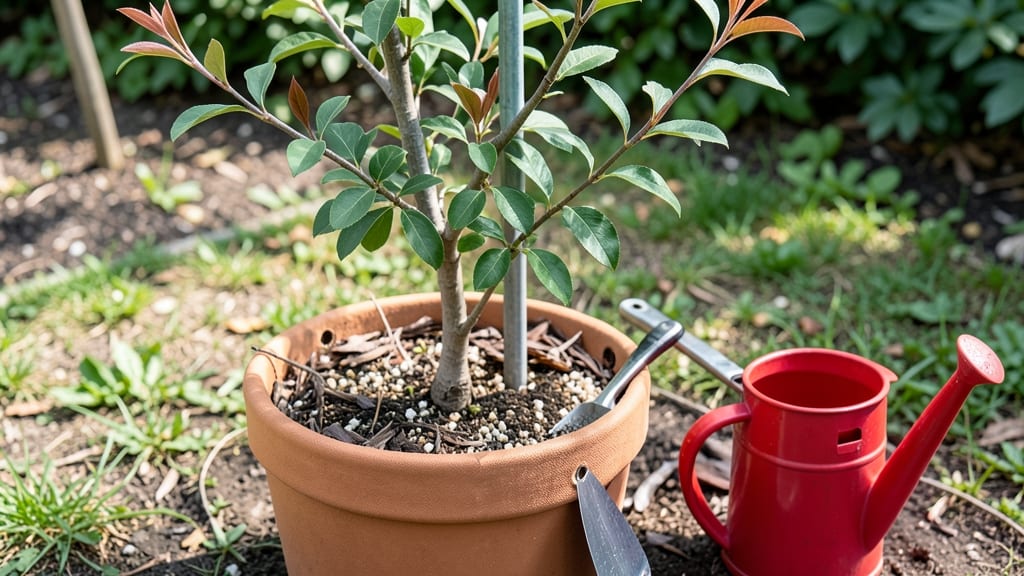
How to grow an almond tree at home—that first crunch of a homegrown almond reminds me why I planted mine three years ago: patience pays off. 🌱 Growing almond trees at home isn't about quick harvests; it's about nurturing a tree that'll reward you for decades with those buttery nuts. My California climate helps, but even cooler zones can succeed with the right variety and care.
The biggest myth? You need acres. I grow mine in a 15-gallon container on my patio, and while it won’t bear fruit as fast as an in-ground tree, it’s thriving.
Almonds need full sun (6+ hours daily), well-draining soil, and consistent moisture—especially those first two years when roots establish. Cold-hardy varieties like 'Nonpareil' or 'Fritz' handle zones 6-9, but most need winter chill.
By year five, you’ll see blossoms (and maybe a few nuts), but full production takes 7-10 years. The key? Pruning young trees to open the center and watering deeply once a week during dry spells.
My tree’s branches now stretch 8 feet tall, and the scent of spring blossoms makes every winter pruning session worth it.
Container growing works—just upgrade pots as the tree grows. The trade-off? Smaller harvests, but the joy of cracking open your own almonds makes it all worthwhile. Let’s get your tree started right.
📚 In This Guide
- What you need
- Instructions
- Tips and common mistakes
- Wrapping up and next steps
What you need
- ● Almond Tree: 1 Prunus dulcis (non-bearing) sapling (dwarf varieties like Nonpareil or Butte work best for containers).
- ● OR 1-2-year-old bare-root tree (available at nurseries in late winter/early spring).
- ● Container (if growing in a pot): 1 large pot (minimum 15-20 gallons, 18"+ deep with drainage holes).
- ○ Optional: Self-watering pot or fabric grow bag for better moisture control.
- ● Soil: 5-10 bags of well-draining potting mix (avoid heavy clay).
- ● 2-3 cups of perlite or coarse sand (for aeration).
- ● 1 cup of compost or worm castings (for nutrients).
- ● Fertilizer: 1 balanced slow-release fertilizer (10-10-10 or 8-3-9 ratio).
- ○ 1 citrus/acid-loving plant fertilizer (optional, for pH balance).
- ● Tools: 1 trowel or small shovel (for planting).
- ● 1 pruning shears (sterilized, for shaping).
- ● 1 watering can or hose with gentle nozzle.
- ● 1 mulch (straw, wood chips, or pine bark).
- ● Climate: Almond trees thrive in USDA Zones 5-9. If you’re in a cooler zone, grow in a container and overwinter indoors.
- ● Sunlight: 6+ hours of full sun daily (south-facing spot is ideal).
- ● Space: In-ground: 10-15 feet of spacing between trees.
- ● Container: Minimum 24" diameter pot for mature growth.
- ● Water Access: Drip irrigation or a water source nearby (almond trees hate soggy roots!).
- ○ Pollination: Optional but helpful: Plant a second tree (different variety) for cross-pollination if you want nuts!
Step-by-Step instructions for growing almond trees at home
Here's how to cultivate a productive almond tree in containers with precision and patience.
🌱 Step 1: Select and Prepare the Right Variety and Container
Choose a dwarf almond variety like 'Nonpareil' or 'Peerless'—these stay under 10 feet tall and thrive in containers. A 15-20 gallon pot with drainage holes is essential; almond trees hate soggy roots. I use a mix of 60% potting soil, 30% perlite, and 10% compost to replicate well-draining Mediterranean soil.
Fill the pot halfway with your mix, then place the bare-root sapling at a slight angle (about 30 degrees2-3 inches above soil level—this prevents rot. Backfill gently, tapping the pot to eliminate air pockets. Water thoroughly until it drains from the bottom.
☀️ Step 2: Position for Maximum Sunlight and Temperature Control
Almonds need 8+ hours of direct sun daily—a south-facing window or greenhouse works best. In cooler climates, use a grow light for 14 hours/day during winter. I keep mine near a heat source (like a sunny patio) to maintain 70-85°F soil temps—critical for flowering.
Watch for signs of stress: yellowing leaves mean too much water, while brown leaf edges signal dry air. Rotate the pot quarter-turn weekly so growth stays even. If your space runs cool, a small space heater under the pot (not touching) helps mimic Mediterranean winters.
💧 Step 3: Water and Fertilize with Precision
Water deeply only when the top 2 inches of soil feel dry—overwatering kills almond roots. I use a moisture meter to avoid guesswork. Fertilize lightly in spring with 10-10-10 at half-strength, then switch to 8-3-9 (high potassium) when buds form. Too much nitrogen makes trees leafy but barren.
Here's the thing—almonds need a dormancy period to flower. In late fall, reduce water by half and move the tree to 50-60°F for 6-8 weeks. This mimics winter chilling, which triggers spring blossoms. I wrap the pot in burlap to protect roots from temperature swings.
✂️ Step 4: Prune for Shape and Fruit Production
Prune in late winter before buds swell, removing 1/3 of last year's growth to encourage new branches. Cut just above outward-facing buds to maintain an open center. I use sterilized shears to prevent disease—almonds are prone to bacterial blight.
Thin fruit clusters to 3-4 nuts per branch once they form. Overcrowded nuts stay small and underdeveloped. Harvest when shells turn brown and split naturally, usually 6-8 months after flowering. Store in a cool, dry place for up to 6 months.
🌿 Step 5: Overwinter for Next Year's Harvest
After harvest, reduce water to maintain dormancy. Wrap the pot in insulating foam and move it to an unheated garage or shed. Check monthly—soil should stay barely moist. In early spring, resume normal care when buds swell.
Real talk: Almonds take 3-5 years to bear fruit, but container-grown trees mature faster than in-ground. Patience pays off with 100+ nuts per tree at peak production. Here's where it gets fun—watch for bees when flowers open in spring!
Tips & tricks for growing almond trees at home
Container-grown almonds thrive with the right approach—here’s how to avoid common pitfalls and maximize your harvest.
Root Development Strategy: When planting your bare-root sapling in Step 1, I learned the hard way that the 30-degree angle isn’t just about aesthetics—it’s about root spread. The angled placement encourages roots to grow outward rather than downward, which is critical for container stability. After planting, gently press the soil mix around the roots to eliminate air pockets, then water until it drains freely from the bottom. This prevents root suffocation and ensures your tree establishes quickly in its 15-20 gallon home.
Lighting Solutions for Limited Space: The 8+ hours of direct sun requirement can be tricky indoors, but I’ve found a workaround: Position your tree near a south-facing window during summer, then supplement with a full-spectrum grow light for 14 hours/day in winter. Place the light 6-12 inches above the tree and adjust height as it grows. This mimics Mediterranean sunlight patterns without requiring a greenhouse. For cooler climates, a simple LED grow light costs under $50 and makes all the difference.
Dormancy Period Hack: The 6-8 week dormancy at 50-60°F in late fall is non-negotiable for flowering, but I’ve discovered a trick to make it easier: Use a temperature-controlled storage unit or even a refrigerated garage. Wrap the pot in burlap and check monthly—soil should stay barely moist. This controlled environment prevents temperature fluctuations that can shock the roots. Pro tip: Place a small thermometer near the pot to monitor conditions without disturbing the tree.
Pruning Precision: When you’re removing 1/3 of last year’s growth in Step 4, focus on cutting just above outward-facing buds. This creates an open center that improves air circulation and sunlight penetration—both critical for fruit development. Sterilize your shears with rubbing alcohol between cuts to prevent bacterial blight, which is particularly aggressive in almond trees. I’ve found that pruning in late winter, just as buds begin to swell, gives the tree enough time to heal before the growing season kicks in.
Pro Tips for Grow Almond Tree At Home
- Container-grown almonds thrive with the right approach—here’s how to avoid common pitfalls and maximize your harvest.
- Root Development Strategy: When planting your bare-root sapling in Step 1, I learned the hard way that the 30-degree angle isn’t just about aesthetics—it’s about root spread.
- Place the light 6-12 inches above the tree and adjust height as it grows.
Frequently asked questions
Got questions about growing almond trees at home?
You’re not alone! Here are answers to the most common queries to help you get started with confidence.
Can I grow an almond tree in a pot, or does it need a garden?
Yes, you can grow almond trees in pots! Choose a large container (at least 15–20 gallons) with drainage holes. Dwarf varieties like Nonpareil or Butte are ideal for containers. Just ensure the pot gets full sun (6+ hours daily) and use well-draining soil. Pro tip: Move pots indoors during winter if temperatures drop below 20°F (-7°C).
How long does it take for an almond tree to bear fruit?
Patience is key! Almond trees typically take 3–5 years to produce nuts from seed, while grafted trees may fruit in 2–4 years. Factors like sunlight, soil quality, and variety play a role. Fun fact: Young trees focus on root and branch growth first—don’t rush them!
Do almond trees need cross-pollination, or can one tree produce nuts alone?
Most almond trees require cross-pollination from another compatible variety (e.g., plant Nonpareil and Butte together). Self-pollinating varieties like Fritz are rare but exist. If space is tight, consider renting a bee colony or hand-pollinating with a small brush.
How do I protect my almond tree from frost or extreme cold?
Almond trees are sensitive to frost, especially when young. Use these tricks:
- Mulch: Apply 2–3 inches of organic mulch around the base to insulate roots.
- Cover: Wrap the trunk with bubble wrap or use frost cloth for young trees.
- Water: Deep-water before frost to protect roots (but avoid soggy soil).
- Location: Plant in a sheltered spot or near a south-facing wall.
What can I do if my almond tree isn’t flowering or producing nuts?
Try these troubleshooting steps:
- Check age: Trees under 3–5 years may not fruit yet.
- Pollination: Ensure another compatible tree is nearby (or hand-pollinate).
- Sunlight: Almond trees need full sun—move to a sunnier spot if needed.
- Soil/nutrients: Test soil pH (ideal: 6.0–7.5) and fertilize with nitrogen in early spring.
- Pests/disease: Inspect for aphids, mites, or fungal issues (e.g., leaf spot).
Wrapping up and next steps
Growing your own almond tree at home is a rewarding journey that brings nature’s sweetness right to your doorstep—even in small spaces! 🌱 From selecting the right variety to nurturing it through the seasons, every step is an opportunity to connect with the earth and savor the fruits of your labor. Start small, stay patient, and soon you’ll be harvesting homegrown almonds with pride.
Ready to take the next step? Plant your first tree this season and watch your garden transform into a thriving almond orchard! 🌿