Size
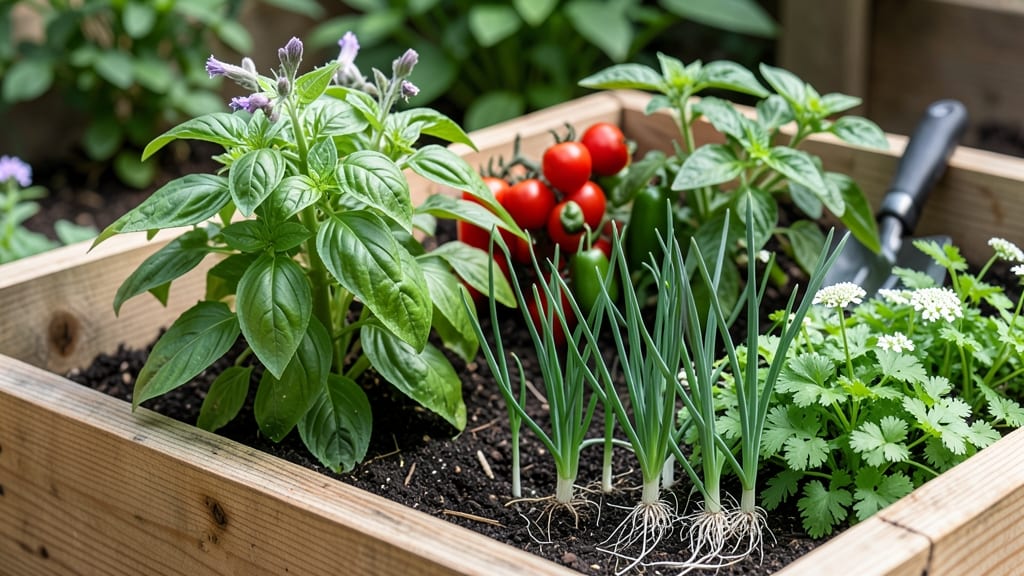
How to grow a salsa garden from plants just 12 inches apart. 🌱 This isn’t about big plots—it’s about packing sun-loving peppers, tomatoes, and herbs into the smallest spaces for the freshest, most flavorful harvests. The secret starts with three key ingredients: a south-facing spot (or grow lights), well-draining soil, and the right plant mix—jalapeños for heat, roma tomatoes for texture, and cilantro that grows back faster than you can use it. Most people overlook spacing, but cramming plants leads to crowded, disease-prone gardens. We’ll show you how to fit everything in 1 square yard without sacrificing yield. By midsummer, you’ll be snipping peppers straight from the vine, plucking ripe tomatoes, and harvesting cilantro that stays fresh for weeks. The flavor? Nothing compares to what you’ll get from plants you grew yourself—bold, bright, and ready whenever you are. Works for balconies, windowsills, or backyard corners. Let’s get those flavors growing!
📚 In This Guide
- What you need
- Instructions
- Tips and common mistakes
- Wrapping up and next steps
What you need
- ● Seeds or seedlings: 3–5 jalapeño plants (or other hot peppers like serrano, habanero, or cayenne)
- ● 1–2 bell pepper plants (for sweetness and texture)
- ● 1 cilantro plant (or seeds for continuous harvest)
- ● 1 onion (green or red) or 1 scallion plant
- ○ 1 tomato plant (optional but adds depth—try cherry or Roma)
- ● Containers or garden space: 5-gallon pots (minimum) for each pepper plant OR
- ● Raised beds (at least 12" deep, 3' x 6' for 3–5 plants)
- ● Fabric grow bags (if space is tight)
- ● Soil: 1 bag (1.5–2 cubic feet) of well-draining potting mix (add perlite or vermiculite for aeration)
- ● Fertilizer: Balanced organic fertilizer (10-10-10) or compost (mix 1 cup into soil per plant)
- ● Watering can or hose with a gentle spray nozzle
- ● Stakes or cages (for tomato/pepper support, 3–4 ft tall)
- ● Pruning shears (for trimming herbs and peppers)
- ● Gloves (to protect from spicy peppers!)
- ● pH test kit (ideal soil pH: 6.0–6.8 for peppers)
- ● Mulch (straw or shredded leaves to retain moisture)
- ● Shade cloth (for seedlings if temps exceed 90°F)
- ● Sunlight: 6–8+ hours of direct sun daily (peppers are sun-worshippers!)
- ● Warmth: Soil temps above 60°F (use a heat mat if starting indoors early)
- ● Space: At least 12" between plants (or vertical gardening for small spaces)
- ● Patience: Peppers take 60–90 days to mature!
Step-by-step instructions for building your salsa garden
Here's how to pack sun-loving peppers and herbs into small spaces for a year-round harvest.
🌱 Step 1: Select and Prepare Your Containers
Choose containers with at least 12-inch depth for peppers and 8-inch depth for herbs—shallow pots stunt root growth. I use fabric grow bags for peppers because they prevent soil compaction, and terra cotta pots for herbs since they wick moisture away. Drill drainage holes if yours lack them; peppers rot quickly in soggy soil.
Fill containers with sterile potting mix (never garden soil—it compacts and suffocates roots). I blend mine with 20% perlite for extra drainage. Moisten the mix until it holds together when squeezed but doesn't drip. Press it down lightly to remove air pockets, then let it sit for 24 hours before planting. This pre-settling prevents future compaction when you water.
🌿 Step 2: Plant Peppers and Herbs Strategically
Start with 4 pepper plants (2 jalapeños, 1 serrano, 1 Roma) spaced 12 inches apart—crowding stresses plants and reduces yield. Plant them 1 inch deeper than their nursery pots to encourage strong root development. For herbs, place cilantro and basil in separate 6-inch pots (they compete for nutrients), and coriander and oregano together in an 8-inch container—they thrive in the same conditions.
Herbs need full sun (6+ hours daily), but peppers crave 8-10 hours. If your space gets partial shade, prioritize peppers in the sunniest spot and accept smaller herb yields. Water immediately after planting to settle soil around roots, then let the top inch dry before watering again. Overwatering now will drown tender seedlings before they establish.
☀️ Step 3: Manage Sunlight and Watering for Peak Flavor
Peppers need warmth (70-85°F) to set fruit—if your mornings dip below 60°F, move containers indoors overnight. Herbs tolerate cooler temps but still need 6+ hours of sun. Rotate pots quarter-turn weekly so plants grow upright instead of leaning toward light. You'll notice leggy growth if they stretch toward windows; this means they're not getting enough intensity.
Water deeply every 2-3 days until top inch of soil feels dry. Peppers show stress by drooping leaves—water immediately if you see this. Herbs like cilantro bolt (go to seed) in heat, so keep their soil consistently moist (not soggy). Mulch with 1 inch of straw to retain moisture and suppress weeds. Avoid mulching too close to stems—this traps moisture and invites fungal diseases.
✂️ Step 4: Prune and Harvest for Continuous Production
When peppers reach 6 inches tall, pinch off the first few flowers to encourage bushier growth. This delays fruiting slightly but results in thicker, more productive plants. For herbs, harvest outer leaves first—this encourages new growth from the center. Pinch back cilantro stems after harvest to prevent bolting. You'll see new leaves emerge within 3-5 days if pruned correctly.
Harvest peppers when they reach half their mature size for the best flavor. Pick herbs frequently—every 2-3 weeks—to encourage bushier, more productive plants. Store extras in the freezer or dry bundles upside down in a dark, dry place. Prune any yellow or diseased leaves immediately to prevent spread. Regular pruning keeps plants healthy and productive all season.
Tips & tricks for perfect salsa garden growth
These game-changing strategies will help you maximize your small-space harvest and avoid common pitfalls that ruin yields.
Container Selection Wisdom: For peppers, prioritize containers with 12-inch depth—shallow pots limit root growth and reduce fruit production. I've found that fabric grow bags are my go-to because they prevent soil compaction, which is crucial for those 8-10 hours of daily sun peppers need. For herbs, terra cotta pots work wonders since they wick away excess moisture—herbs like cilantro and basil hate soggy roots. Pro tip: If using plastic containers, drill extra drainage holes near the bottom to prevent root rot, especially important since peppers rot quickly in waterlogged soil.
Soil Prep Strategy: The 24-hour pre-settling period before planting is non-negotiable—it eliminates air pockets that would otherwise prevent proper root establishment. When mixing your sterile potting soil with 20% perlite, don't skimp on the perlite. I've seen plants struggle when gardeners use too little, leading to poor drainage. After mixing, squeeze a handful of soil—it should hold together but not drip. This moisture level is perfect for creating an ideal planting environment where roots can establish without stress.
Sunlight Management: Here's what nobody tells you about sunlight—peppers need 8-10 hours of direct sun daily, while herbs can tolerate 6+ hours. The difference is critical: peppers won't set fruit below 70°F, so if your mornings dip below 60°F, move containers indoors overnight. For herbs, rotate pots quarter-turn weekly—this prevents leggy growth that signals insufficient light intensity. Watch for stems stretching toward windows; that's your cue to move them closer to the light source or supplement with grow lights.
Watering Intelligence: The key to watering is consistency—peppers show stress by drooping leaves, while herbs like cilantro bolt when their soil dries out too much. Water deeply every 2-3 days until the top inch feels dry, but never let soil stay soggy. For herbs, maintain consistent moisture—not soggy, not bone-dry. Mulch with 1 inch of straw to retain moisture and suppress weeds, but keep it 1 inch away from stems to prevent fungal diseases. This balance is what separates thriving plants from those that struggle.
Pro Tips for Grow A Salsa Garden
- These game-changing strategies will help you maximize your small-space harvest and avoid common pitfalls that ruin yi...
- Container Selection Wisdom: For peppers, prioritize containers with 12-inch depth—shallow pots limit root growth and ...
- Soil Prep Strategy: The 24-hour pre-settling period before planting is non-negotiable—it eliminates air pockets that ...
Frequently asked questions
Got questions about growing your own salsa garden? You’re not alone! Here are some of the most common concerns—and their easy answers—to help you grow like a pro.
Can I grow a salsa garden in containers or small spaces?
Many peppers and herbs thrive in containers, pots, or even vertical gardens. Choose compact varieties like jalapeño or serrano peppers, and opt for shallow-rooted herbs like cilantro or basil. Just ensure containers are at least 12 inches deep and have drainage holes. Pro tip: Use self-watering pots to keep moisture consistent!
How long does it take for a salsa garden to produce?
Most pepper plants take 60–90 days to bear fruit, depending on the variety and climate. Herbs like cilantro or green onions may be ready in 4–6 weeks. Start seeds indoors 8–10 weeks before your last frost date for a head start. Patience pays off—your first harvest will be worth it!
What if my peppers turn bitter or don’t ripen?
Bitter peppers often mean too much heat or stress. Ensure they get 6–8 hours of sunlight daily and consistent watering (but avoid soggy soil). For slow ripening, check your plant’s pollination—hand-pollinate with a small brush if needed. Overcrowding or nutrient deficiencies can also delay ripening—feed with a balanced fertilizer if growth stalls.
Can I substitute other peppers or herbs if I can’t grow the ones I want?
Yes! Swap similar heat levels—jalapeños for serranos, or bell peppers for milder salsa. For herbs, basil replaces cilantro in cooking, and parsley adds freshness. Experiment with tomatillos or okras for extra tang. Don’t stress—creativity makes salsa even better!
How do I keep pests away from my salsa garden?
Prevent pests with neem oil or row covers for early-stage plants. Common culprits like aphids or spider mites hate water sprays or soapy water solutions. Companion planting with marigolds or basil deters pests naturally. Inspect leaves regularly—early action keeps your garden thriving!
Wrapping up and next steps
Growing your own salsa garden is a rewarding way to enjoy fresh, flavorful ingredients right at home—no matter how small your space! 🌱 With the right sun-loving peppers, herbs, and a few key tools, you’re well on your way to crafting homemade salsa that’s next-level delicious.
Start with just a few plants, experiment with varieties, and soon you’ll be harvesting like a pro.
Ready to take the next step? Plant your first seeds or seedlings this week! If you’re feeling inspired, share your progress with fellow gardeners or dive into recipes to turn your harvest into homemade salsa magic. Happy growing—your taste buds will thank you! 🌶️✨