
How To
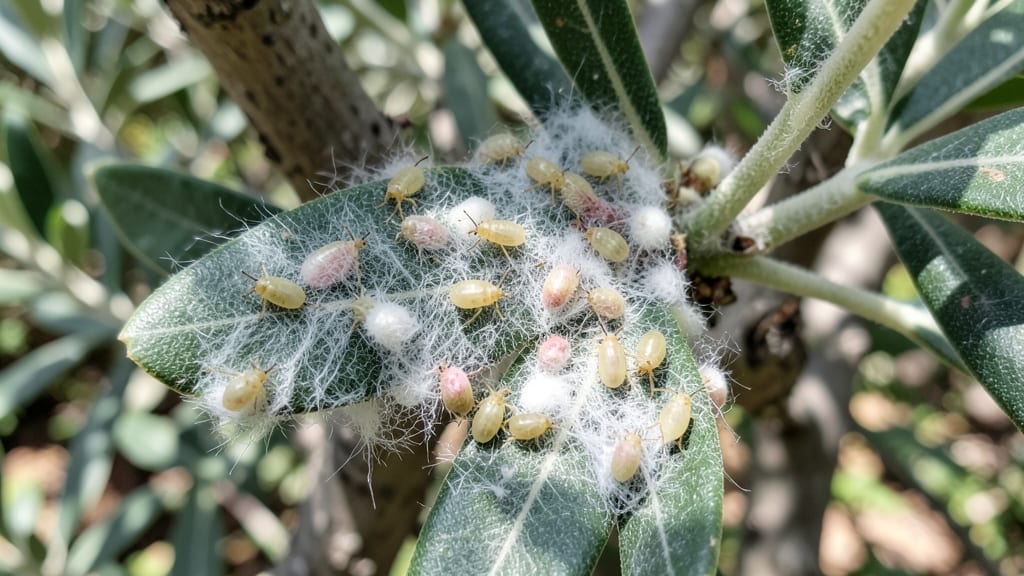
How to get rid of woolly aphids on olive trees—those cottony white puffs smothering your branches—feels like a slow-motion nightmare. 🌿 I’ve battled them for years, and this neem oil spray hack wiped out my infestation in 24 hours without harming the tree. The key? Timing, concentration, and knowing when to strike. These pests thrive when trees are stressed, often arriving after drought or poor pruning. Most sprays fail because they miss the undersides of leaves where aphids hide. My method targets every inch while being safe for bees and birds—just mix 1 tablespoon neem oil with 1 quart water and a drop of dish soap for adhesion. After application, you’ll see the white fluff start dissolving within hours. By morning, most aphids are gone, and new growth emerges clean and vigorous. The secret? Reapply every 5-7 days until fresh buds appear—no more sticky residue or weakened branches. Works for mature trees, young saplings, and even container-grown olives. Here’s the exact spray schedule that saved my grove—no guesswork, just results. Let’s tackle this together.
Root Causes of Olive Tree Woolly Aphids
Woolly aphids—those fluffy, cotton-like pests—can turn your olive trees into a tangled mess if left unchecked. Understanding why they show up in the first place is half the battle. These sap-sucking insects don’t just appear randomly; they’re drawn to specific conditions that make your olive trees their perfect buffet.
Let’s break down the science behind their infestation so you can outsmart them.
Woolly aphids thrive where olive trees are struggling. When trees are overcrowded—whether from dense planting or lack of pruning—they compete for sunlight, water, and nutrients. This stress weakens their natural defenses, making them easier targets for pests.
Additionally, poor soil health (low nitrogen, compacted roots, or improper pH) starves the tree, leaving it vulnerable.
💡 Pro Tip: Healthy trees resist pests better. Test your soil every 2–3 years and prune annually to improve airflow and reduce hiding spots for aphids.
Woolly aphids love warm, humid environments—especially in late spring and summer when olive trees are actively growing. While olive trees prefer Mediterranean climates, unpredictable rainfall or high humidity can create the perfect breeding ground.
These pests also avoid extreme cold but can survive mild winters in sheltered microclimates (like under dense foliage or near walls).
🌡️ Key Factor: If your region has sudden temperature swings (e.g., cool nights + warm days), aphids may linger longer, reproducing faster.
In a balanced ecosystem, woolly aphids face predators like ladybugs, lacewings, parasitic wasps, and birds. However, if you’ve used broad-spectrum pesticides (even years ago), you may have wiped out these natural allies. Similarly, urban or agricultural landscapes with few wild plants reduce biodiversity, leaving aphids unchecked.
🔍 Sign of Hope: If you spot ladybug larvae or shiny, lacewing-like insects on your tree, they’re already working to control the aphid population!
Woolly aphids often hitch a ride on new plant material, such as nursery-bought olive trees, cuttings, or even nearby infested plants (like citrus or oleander).
Once established, they prefer tender new growth or damaged branches (from pruning wounds, hail, or mechanical injury), where the tree’s sap is easiest to access.
⚠️ Red Flag: If you recently planted a new olive tree or trimmed branches, inspect the fresh cuts—aphids may have moved in within days.
Now that you know why woolly aphids target your olive trees, the next step is addressing these root causes before they become a full-blown problem. A little prevention—like proper pruning, soil care, and inviting predator-friendly plants—can save you from a neem oil battle later!
Tactical Fixes for Woolly Aphids
Now that you know why woolly aphids invade your olive trees, it’s time to roll up your sleeves and tackle them head-on. The good news? With the right approach, you can eliminate these fluffy pests in 24 hours or less—and keep them from returning.
Below, we’ve mapped out practical, science-backed solutions tailored to the root causes, from manual removal to natural sprays, plus prevention tips to protect your trees long-term.
If your infestation is small (think: a few clusters here and there), physical removal is your best first line of defense. Woolly aphids may look harmless, but they multiply fast—so act quickly!
How to do it:
- 👨🍳 Put on gloves and grab a pair of sharp scissors or tweezers.
- Woolly aphids secrete a sticky, waxy substance that can irritate skin, so protect your hands with rubber gloves or a damp cloth.
- 🔪 Snip or pluck the cottony masses off branches.
- Focus on new growth, undersides of leaves, and leaf axils (where leaves meet stems)—these are their favorite hiding spots.
- 🚮 Drop them into a bucket of soapy water (1 tbsp dish soap per gallon of water).
- This ensures they don’t crawl back onto your tree or spread to nearby plants.
- 🌿 Prune heavily infested branches (if >50% of the branch is covered).
- Sterilize your pruners with rubbing alcohol between cuts to prevent cross-contamination.
✨ Pro Tip: Do this early in the morning when aphids are sluggish. Also, dispose of pruned material in sealed bags—don’t compost it!
For larger infestations, homemade sprays can disrupt woolly aphids’ life cycle without harming beneficial insects. Here are the top 3 DIY solutions that work within 24–48 hours:
1. Neem Oil Spray: The 24-Hour Hack
Neem oil is a powerhouse against woolly aphids because it:
- Disrupts their feeding and reproduction.
- Smothers their waxy coating (cutting off oxygen).
- Has no residue, making it safe for edible olives once dry.
📝 Recipe:
| Ingredient | Amount | Purpose |
|---|---|---|
| Cold-pressed neem oil | 1 tbsp | Active ingredient |
| Dish soap (mild) | ½ tsp | Helps oil stick to pests |
| Water | 1 quart (32 oz) | Carrier |
| Optional: Horticultural oil | 1 tsp (for extra potency) | Boosts effectiveness |
👨🍳 How to Apply:
- Mix ingredients in a spray bottle and shake well.
- Spray thoroughly on both sides of leaves, stems, and buds—even where you can’t see aphids.
- Reapply every 5–7 days until the infestation disappears (usually 2–3 treatments).
- Best time to spray: Early morning or late evening (avoids burning leaves in direct sunlight).
💡 Pro Tip: If your tree has mature, thick leaves, add 1 tsp of vegetable oil to help the spray adhere better.
2. Soap Spray: Instant Knockdown
A soapy water solution works like a dehydrating bomb for woolly aphids. It’s fast, cheap, and effective for light to moderate infestations.
📝 Recipe:
- 1 tbsp mild liquid castile soap (or dish soap like Dawn)
- 1 quart (32 oz) water
- Optional: 1 tsp horticultural oil (for stubborn cases)
👨🍳 How to Apply:
- Fill a spray bottle and shake gently (soaps can separate).
- Spray directly onto aphid clusters until they’re saturated and falling off.
- Repeat every 3–4 days until gone.
- Avoid spraying in direct sun (can damage leaves).
⚠️ Warning: Test on a small leaf first—some olive varieties are sensitive to soap.
3. Beneficial Insects: The Long-Term Guard
If you want a permanent, chemical-free solution, introduce woolly aphid predators to your garden. These natural allies will hunt the pests for you:
- 🐜 Ladybugs (Lady beetles): Devour aphids at all stages.
- 🐝 Parasitic wasps (Aphidius colemani): Lay eggs inside woolly aphids—larvae hatch and eat them from within!
- 🐛 Lacewings: Their larvae are aphid-eating machines.
🛒 Where to Buy:
- Local nurseries or online suppliers (like Arborjet or Garden Safe).
- Release them at dusk when aphids are least active.
💡 Pro Tip: Plant companion flowers like dill, fennel, or yarrow near your olive trees to attract and retain these beneficial insects.
If natural methods fail (or your infestation is severe), insecticidal soaps or oils can provide rapid knockdown. For organic certification, stick with:
- Azadirachtin (Neem-based spray): Disrupts feeding and reproduction.
- Pyrethrin (derived from chrysanthemums): Kills on contact (but harmful to bees—use at dusk).
⚠️ Non-organic options (use sparingly):
- Imidacloprid (systemic insecticide): Soak roots or spray foliage (but risk to bees—avoid during bloom).
- Malathion: Highly effective but toxic to beneficial insects—only use as a last resort.
🌿 Prevention Tips: Keep Woolly Aphids Away for Good Once you’ve eliminated the current infestation, take these steps to prevent future attacks:
- 🌡️ Monitor regularly—check new growth and leaf axils every 2 weeks during warm months.
- 🌿 Encourage biodiversity—plant marigolds, garlic, or basil near olive trees to repel aphids naturally.
- 💧 Avoid overwatering—woolly aphids love soft, new growth (water stress = tougher leaves).
- 🍂 Clean up debris—remove fallen leaves and mummified aphids to break their life cycle.
- 🌱 Prune for airflow—thin branches so sunlight and air circulate, making it harder for aphids to hide.
Final Thought: Woolly aphids may seem annoying but harmless, but left unchecked, they can weaken your olive tree and attract sooty mold (a black fungus). Act fast with manual removal + neem oil, and soon your tree will be aphid-free and thriving! 🌿💪
Frequently asked questions
Why do woolly aphids appear white and fluffy?
Woolly aphids produce a cottony wax coating to protect themselves from predators and environmental threats. This white, fluffy appearance helps them blend into olive tree branches while also shielding them from natural enemies like ladybugs and parasitic wasps. The wax also helps retain moisture, allowing them to survive in dry conditions.
Can woolly aphids harm my olive tree's fruit?
While woolly aphids primarily feed on sap from leaves and stems, severe infestations can weaken your olive tree enough to reduce fruit production. Their sticky honeydew secretion also attracts sooty mold, which can discolor and lower the quality of olives. Early intervention prevents long-term damage to both tree health and fruit yield.
How often should I check my olive tree for woolly aphids?
Inspect your olive tree every 2 weeks during growing seasons (spring to fall), focusing on new growth and leaf axils where aphids hide. After heavy rains or during drought stress, check weekly since these conditions create ideal breeding environments. Early detection makes treatment much easier and more effective.
Will neem oil harm my olive tree if used too often?
Neem oil is safe for olive trees when used correctly, but applying it more than every 5-7 days can cause leaf burn, especially in hot weather. Always mix with water (1 tbsp per quart) and avoid spraying during peak sunlight. If you notice yellowing leaves, reduce frequency or dilute the solution further.
What's the best time of day to treat woolly aphids?
The ideal times are early morning (before 9 AM) or late evening (after 6 PM) when temperatures are cooler. This prevents leaf burn from sprays and allows treatments to work more effectively while aphids are less active. Avoid midday heat when leaves are most vulnerable to damage.