
Pests
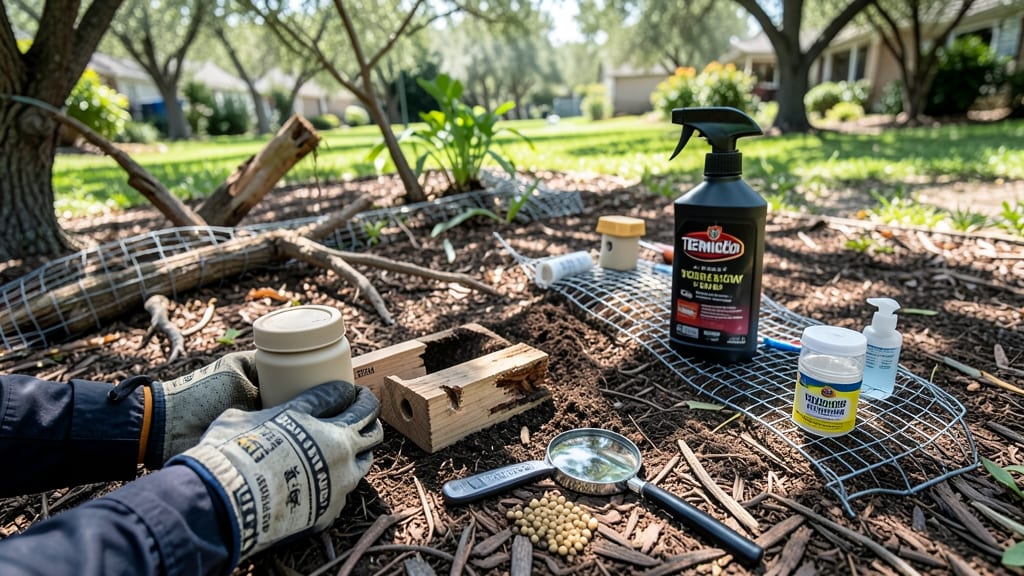
How to get rid of termites in soil naturally starts with understanding their hidden damage—those tiny invaders tunneling through your garden leave behind a trail of destruction. 🌱 I’ve watched them turn thriving plants into skeletal husks—until I discovered a natural solution that actually works without harsh chemicals. The problem starts when termites feast on cellulose in roots and mulch, weakening plants while they go unnoticed. Most sprays only mask the issue temporarily, but a biological approach using beneficial nematodes targets the colony at its source—no poisons, just precision. By applying these microscopic predators to infested soil, you’ll see termite numbers drop within 2-4 weeks. The best part? Your plants stay safe, and the nematodes keep working for months, breaking the cycle for good. This method works for lawns, vegetable beds, and even potted plants. Let’s get your soil back under control—naturally.
Root Causes of Soil Termites
Termites don’t just appear out of nowhere—they’re drawn to your property by specific conditions in the soil and environment. Understanding these triggers is the first step to preventing an infestation. Below, we break down the key reasons termites thrive in soil, backed by science and real-world observations.
Termites need moisture to survive, and damp soil is their ideal breeding ground. Here’s why:
- High Humidity Levels: Termites require 60-80% humidity to thrive.
Soil that stays wet—whether from poor drainage, leaking pipes, or heavy rainfall—becomes a termite buffet. Fun fact: Subterranean termites (the most common type) build mud tubes to maintain moisture levels as they travel above ground. - Wood Decay & Fungal Growth: Damp soil often contains decaying organic matter, which attracts fungi.
Termites feed on cellulose (found in wood and plant debris), and fungi provide an extra energy source. Pro tip: If your yard has standing water or soggy patches, termites will follow. - Foundation Weakness: Moisture seeps into crawl spaces and basements, creating a direct path for termites to access wooden structures. Example: A leaky AC unit or broken gutter can turn your soil into a termite highway.
Actionable fix: Improve drainage with French drains, fix leaks, and use gravel or sand to create a dry barrier around your home’s foundation.
Termites are nature’s recyclers—they break down dead plant material. But when that material is near your home, it becomes a problem:
- Cellulose Hunger: Termites have gut microbes that help them digest cellulose, the primary component of wood, paper, and even drywall.
If your soil has dead trees, stumps, or mulch piles, you’ve created a termite smorgasbord. - Hidden Entry Points: Termites can tunnel through soil to reach buried wood, like old fence posts, wooden deck supports, or even the wooden frames of sheds. Warning: Some termite species (like Formosan termites) can consume 10x their body weight in wood daily. - Mulch & Landscaping Risks: Organic mulch (like wood chips) left too close to your home’s foundation can provide both moisture and food. Case study: Homes with mulch piled against siding see 30% more termite activity than those with a 6-inch gravel barrier.
Actionable fix: Remove dead wood, keep mulch 12+ inches away from your home, and opt for inorganic mulch (like rubber or stone) near foundations.
Termites are ectothermic, meaning they rely on external heat sources to regulate their body temperature. Your soil provides the perfect cozy environment:
- Stable Temperatures: Soil temperatures rarely drop below 50°F (10°C) in most climates, giving termites a year-round habitat. Unlike cold-blooded pests (like ants), termites don’t hibernate—they stay active. - Undisturbed Soil: Termites avoid areas with frequent human activity (like tilled gardens).
Instead, they thrive in compacted, undisturbed soil, where they can build extensive tunnel networks undetected. - Proximity to Food Sources: Termites prefer soil that’s close to their food supply (your home’s wooden structures).
They’ll travel up to 100 feet to find a meal, but they start in the soil.
Actionable fix: Install soil moisture sensors near your foundation, aerate compacted soil, and eliminate wood-to-soil contact points (e.g., use metal mesh around pipes entering your home).
In a balanced ecosystem, termites face predators like birds, ants, and—most effectively—beneficial nematodes. But when human activity disrupts this balance:
- Pesticide Overuse: Chemical pesticides kill termites but also eliminate their natural predators, creating a vacuum where termites repopulate unchecked.
- Monoculture Landscaping: Planting only non-native or pesticide-treated plants removes food sources for termite predators (like certain beetles and fungi).
- Urbanization: As cities expand, natural habitats shrink, reducing predator populations. Stat: Studies show termite infestations are 40% higher in urban areas than in rural or forested regions.
Actionable fix: Introduce beneficial nematodes (like Heterorhabditis bacteriophora) to target termites while preserving predator populations. Avoid broad-spectrum pesticides that harm the ecosystem.
Many homes have crawl spaces that act as termite superhighways—dark, humid, and full of wood. Here’s how it happens:
- Trapped Moisture: Without proper ventilation, crawl spaces retain humidity, creating the perfect termite nursery. Key stat: Crawl spaces with <50% humidity see 80% fewer termite sightings. - Wooden Joists & Framing: The wooden supports in crawl spaces are directly accessible to soil-dwelling termites.
They can enter through tiny cracks (as small as 1/32 inch). - Insulation Issues: Improper insulation traps heat and moisture, accelerating termite activity. Example: Fiberglass insulation left exposed provides both shelter and food.
Actionable fix: Install ventilation fans, use dehumidifiers, and replace wooden supports with metal or treated wood in crawl spaces.
Sometimes, well-meaning home improvements unintentionally create termite havens:
- DIY Projects with Untreated Wood: Using untreated lumber for decks, fences, or sheds gives termites a direct food source connected to the soil. - Firewood Storage: Stacking firewood against your home is like rolling out a welcome mat for termites.
Woodpiles should be 20+ feet away and elevated. - Improper Grading: If your yard slopes toward your home, water pools near the foundation, increasing soil moisture. Rule of thumb: The first 10 feet from your home should slope 6 inches downward.
Actionable fix: Store firewood on metal racks, use pressure-treated wood for outdoor projects, and ensure your yard has a 6-inch downward slope away from the foundation.
Termites don’t act randomly—they follow moisture, food, warmth, and shelter. By addressing these four factors, you can make your soil less inviting and your home less vulnerable. The key is prevention through environmental control, not just reactive treatments. 🚀
Termite Solutions That Actually Work
Now that you understand why termites invade your soil, it’s time to tackle the problem head-on. The good news? There are effective, long-term solutions—especially when combining biological controls (like nematodes) with preventive measures.
Below, we break down cause-specific fixes, from quick fixes to permanent prevention, so you can reclaim your soil without harsh chemicals.
Termites thrive in damp, waterlogged soil. If your yard or foundation is a magnet for moisture, they’ll follow.
Fix:
- 🌧️ Improve Drainage
- Install French drains or extend downspouts at least 5 feet away from your home.
- Grade your lawn so water flows away from the foundation (not toward it).
- Use gravel or crushed stone under patios and decks to prevent water pooling.
- 💦 Reduce Standing Water
- Fix leaky pipes, faucets, or AC units.
- Clean clogged gutters to prevent water backup near the house.
- Consider a soil moisture meter to monitor problem areas.
💡 Pro Tip: Termites avoid dry soil. If you’ve had repeated infestations, install a dehumidifier in crawl spaces or basements.
Termites love cellulose—wood, mulch, and even cardboard. If your yard is a termite smorgasbord, they’ll keep coming back.
Fix:
- 🪵 Eliminate Wood Sources
- Remove firewood, stumps, and old tree roots from near your home.
- Store firewood at least 20 feet away and elevated off the ground (use metal racks).
- Replace wood mulch with gravel, rubber mulch, or cypress mulch (less attractive to termites).
- 🏡 Seal Entry Points
- Inspect your home’s foundation, siding, and utility lines for cracks or gaps.
- Use steel wool or sand to fill tiny holes—termites can’t chew through them!
- Replace wooden window frames with metal or composite materials.
✨ Prevention Hack: If you must use wood, treat it with borate-based termite-resistant coatings before installation.
If you’ve spotted mud tubes, discarded wings, or damaged wood, you need immediate action—but also a long-term strategy.
Fix:
- 🔪 Chemical Barriers (Short-Term)
- Termiticides like fipronil or bifenthrin create a chemical barrier in the soil. Apply them along the foundation perimeter (follow label instructions).
- Bait stations (like Recruit HD) attract termites, which then spread the poison to the colony. Best for heavy infestations.
- 🐜 Biological Control: Nematodes (Long-Term) - Beneficial nematodes (Steinernema carpocapsae or Heterorhabditis bacteriophora) release bacteria that kill termites on contact. - How to apply: 1. Water the soil thoroughly (nematodes need moisture to move). 2. Mix nematodes with water (follow package ratios).
- Apply with a sprayer or watering can around the foundation, mulch beds, and wood piles.
- Reapply every 3-4 months for best results. - Why it works: Unlike chemicals, nematodes target termites without harming plants, pets, or humans.
🌡️ Best Time to Treat:
- Spring and fall (when termite activity peaks).
- After rain (soil is naturally moist for nematode survival).
If you’re building a new deck, shed, or adding a basement, termite resistance should be part of the plan.
Fix:
- 🪵 Use Termite-Resistant Materials
- Concrete, metal, or treated wood (ACQ or MCQ pressure-treated lumber).
- Composite decking (less appealing to termites than wood).
- 🛡️ Install Physical Barriers
- Termite shields (metal or sand barriers) around foundations.
- Bifenthrin-treated soil during construction (ask your contractor).
- ⏰ Schedule Pre-Treatment
- Have a pest control pro apply a soil treatment before pouring the foundation.
🎯 Gold Standard: Termite-resistant home designs (like slab-on-grade with a gravel barrier) can eliminate infestations for decades.
Termites don’t disappear after one treatment—they return if conditions are right. Stay proactive with these low-effort habits:
- 🌿 Trim Vegetation – Keep bushes and trees at least 18 inches away from your home.
- 🕵️ Inspect Annually – Check for mud tubes, hollow-sounding wood, or winged termites (swarmers).
- 📅 Schedule Professional Checks – If you’re in a high-risk zone, hire an exterminator once a year for soil treatments or bait systems.
- 🚫 Avoid Overwatering – Termites seek dampness, so water plants in the morning (not at night) to allow soil to dry.
While chemicals work fast, nematodes and prevention offer a safer, sustainable way to keep termites out for good. The key? Combine treatments (like nematodes + moisture control + wood removal) for maximum effectiveness.
Ready to take action? Start with one fix today—whether it’s removing wood piles, improving drainage, or applying nematodes—and watch those termites disappear for good! 🚫🐜
Frequently asked questions
How quickly do beneficial nematodes work against soil termites?
Beneficial nematodes typically start killing termites within 24-48 hours of application, but you'll see noticeable reductions in activity within 2-4 weeks. The key is consistent moisture in the soil—they need damp conditions to move effectively. For best results, reapply every 3-4 months during peak termite seasons (spring and fall).
Can I use nematodes in vegetable gardens without harming my plants?
Beneficial nematodes like Steinernema carpocapsae are completely safe for vegetables and other plants. They specifically target termites and other soil pests while leaving beneficial insects and plant roots untouched. Just apply them in the evening when temperatures are cooler to minimize UV exposure.
What's the difference between chemical termiticides and nematode treatments?
Chemical termiticides provide immediate results but require professional application and can harm beneficial insects and soil ecosystems. Nematodes offer a long-term, eco-friendly solution that targets termites naturally without toxic residues. The trade-off? Nematodes take 2-4 weeks to show full effect but continue working for months afterward.
How do I know if my termite problem is severe enough for professional help?
Look for these red flags: mud tubes along foundation walls, swarmers (winged termites) indoors, or hollow-sounding wood in structural beams. If you see these signs, contact a pest control professional immediately—subterranean termites can cause $10,000+ in damage before being detected. Early nematode treatment can prevent this!
Will nematodes work in clay-heavy or compacted soil?
Nematodes struggle in extremely compacted or dry clay soils because they need moisture to move. To help: Aerate the soil first with a garden fork, then water thoroughly before applying nematodes. For heavy clay, consider mixing in compost or sand to improve drainage and create a more hospitable environment for these microscopic predators.