
Pests
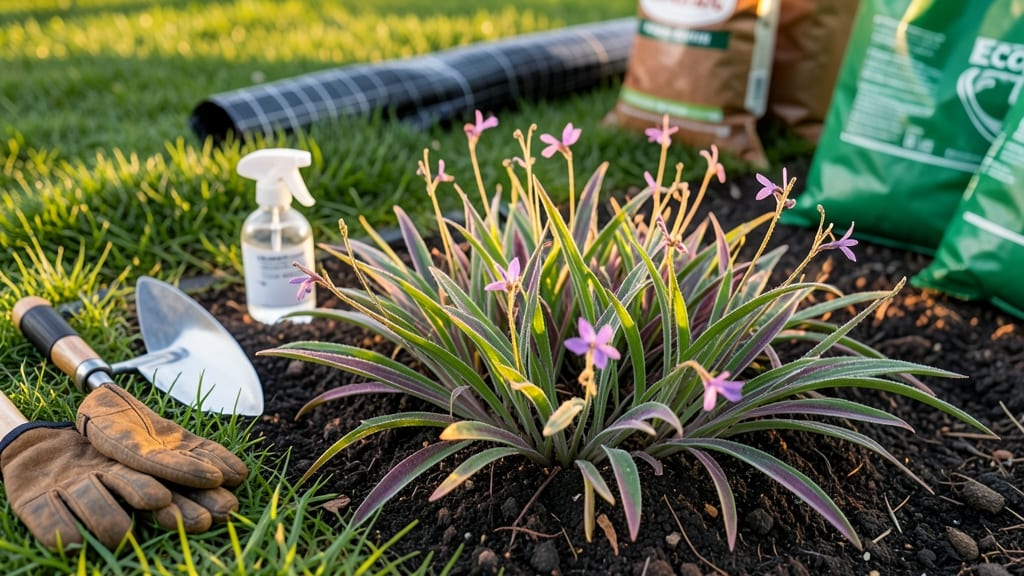
How to get rid of spiderwort—this tenacious weed won’t surrender without a fight, but the right technique finally broke its hold on my garden. 🌿 I’ve battled it for years, and the pull-when-wet trick finally worked—no more sneaky regrowth or wasted effort. The secret lies in timing: wet soil makes roots easier to extract, and removing the entire root system prevents those pesky sprouts from popping up later. Most people give up after one try, but persistence pays off—my yard stayed spiderwort-free for a full growing season after this method. You'll need a sturdy trowel, gloves, and patience (about 20-30 minutes for a small patch). The key is checking soil moisture daily and acting when it's damp but not soggy. No chemicals needed—just elbow grease and the right technique. For stubborn patches, smothering with thick mulch after removal works wonders. This method's eco-friendly, budget-friendly, and actually works—no more losing ground to this invasive weed.
Root Causes of Spiderwort Spread
Spiderwort (Tradescantia spp.) thrives in gardens and landscapes due to a mix of environmental and human factors. Understanding these causes is key to preventing its unwanted spread. Below, we break down the science behind why this persistent plant takes over—so you can tackle it head-on.
Spiderwort flourishes in environments that mimic its natural tropical and subtropical habitats. Here’s why it loves your yard:
- Partial to Full Sunlight: Spiderwort thrives in areas with 4–6 hours of direct sunlight daily. Its broad, arrow-shaped leaves capture ample light for photosynthesis, fueling rapid growth. Shady spots slow it down, but it won’t die—just grow slower, making it harder to spot and remove.
- Well-Drained, Fertile Soil: This plant prefers moist but not waterlogged soil rich in organic matter. Garden beds with compost or mulch provide the perfect nutrient boost, while sandy or clay-heavy soils (without amendments) can stunt its growth—though it’s still resilient.
- Moderate Temperatures: Spiderwort is hardy in USDA Zones 5–11, meaning it survives winters in cooler climates by going dormant and rebounds aggressively in spring. In warmer zones, it grows year-round, spreading unchecked without intervention.
💡 Pro Tip: If your yard has any of these conditions, spiderwort sees it as an all-you-can-eat buffet. Mulching or amending soil to improve drainage can weaken its hold—but removal is still the best offense.
Spiderwort spreads like wildfire through vegetative reproduction (no flowers or seeds needed!). Here’s how it hijacks your garden:
- Stolons (Runners): This plant sends out horizontal stems (stolons) that root at nodes, creating new plants up to 3 feet away from the mother plant. A single stolon can produce dozens of offshoots in one growing season. Disturbing the soil (even with foot traffic) can sever stolons, but the broken pieces keep growing if they’re not fully removed.
- Rhizomes (Underground Stems): Beneath the surface, spiderwort develops thick, fibrous rhizomes that store nutrients and sprout new shoots. These can extend 1–2 feet deep and several feet wide, making it nearly impossible to dig out by hand. Even a tiny rhizome fragment left in the soil will regrow.
- Accidental Human Spread: Gardeners often unknowingly transplant spiderwort fragments when moving soil, dividing perennials, or cleaning up debris. Its lightweight seeds (if it flowers) can also hitchhike on clothing, tools, or even water splashes.
⚠️ Warning: Never compost spiderwort clippings or rhizomes—even small pieces can survive and reinfest your yard. Bag and trash them immediately.
While spiderwort is a natural opportunist, human habits accelerate its takeover. Here’s how we accidentally give it a green light:
| Activity | How It Helps Spiderwort | How to Fix It |
|---|---|---|
| Overwatering | Spiderwort loves moisture but hates competition. Excess water drowns out weaker plants, giving it space to dominate. | Water deeply but infrequently (1–2 times per week) and improve soil drainage. |
| Heavy Mulching | Thick mulch layers smother competitors while keeping the soil moist—perfect for stolon growth. | Use thin mulch (2–3 inches) and mix in sand or gravel to prevent mat formation. |
| Ignoring Early Growth | Small spiderwort sprouts are easy to pull, but many gardeners mistake them for weeds and let them grow into unmanageable patches. | Do a weekly "sprout patrol"—check for new growth and remove it immediately. |
| Using Contaminated Soil or Tools | Rhizome fragments in potting mix or on garden tools can infect new areas when reused. | Sterilize tools with rubbing alcohol and avoid using infested soil for new plantings. |
🔥 Hot Tip: Spiderwort hates competition. Plant ground covers like clover or creeping thyme to starve it out naturally.
Now that you know why spiderwort takes over, the next step is how to stop it in its tracks. The key? Pull when wet—we’ll explain why (and how) in the next section!
Quick Fixes for Stubborn Spiderwort
Now that you know why spiderwort invades your lawn or garden, let’s tackle it head-on with practical, step-by-step solutions. Whether it’s creeping into your flower beds or choking out your grass, these methods will help you reclaim your space—without breaking a sweat.
Below, we’ve matched common causes to the best fixes, plus prevention tips to keep spiderwort from staging a comeback.
Spiderwort thrives in damp soil, which means it’s easiest to remove when the ground is moist. Here’s how to do it right:
- 🔥 Time It Right
- Wait for a rainy day or water the area thoroughly 1–2 hours before pulling. Wet soil loosens the roots, making extraction smoother.
- Early morning is ideal—roots are soft and less likely to snap back.
- 👨🍳 Grab and Twist
- Use gloves (trust us, the sap can stain) and grip the plant as close to the base as possible.
- Twist sharply while pulling upward to dislodge the entire root system. If the root breaks, the plant will regrow—so persistence pays off!
- 🔪 Check for Stubs
- After pulling, inspect the soil for leftover root fragments. Use a hand trowel to dig out any remaining pieces.
- 🌡️ Solarize the Spot (Optional but Effective)
- If spiderwort is widespread, cover the area with clear plastic sheeting for 4–6 weeks in hot weather. The sun will bake the roots out of the soil.
For larger infestations or areas where pulling isn’t practical, smothering cuts off sunlight and starves the plant.
- 🥘 Layer with Cardboard or Newspaper
- Cover the infected area with 2–3 layers of cardboard or thick newspaper, then top with 3–4 inches of mulch (straw, wood chips, or leaves).
- This blocks light and suppresses regrowth. Refresh the mulch every 3–6 months for best results.
- 🌡️ Vinegar or Salt Solutions (For Small Patches) - Mix 1 gallon of white vinegar (5% acidity) + 1 cup of salt + 1 tbsp dish soap.
Spray directly on spiderwort leaves on a sunny day (avoid desirable plants—this is not selective). - Repeat every 2–3 days until the plant wilts. Warning: This can harm soil microbes, so use sparingly.
Once you’ve removed spiderwort, keep it from returning with these proactive steps:
- 💡 Improve Drainage Spiderwort loves soggy soil. Amend clay or compacted areas with compost or sand to encourage better drainage.
- 🌿 Choose Competitive Ground Covers Plant dense, fast-spreading ground covers like creeping thyme, clover, or moss to outcompete spiderwort for space.
- 🔄 Regular Mowing Keep lawns mowed at 3–4 inches tall to weaken spiderwort’s ability to spread. It thrives in disturbed or thin turf.
- 🌱 Plant Native Alternatives Replace spiderwort with native wildflowers or grasses that thrive in your climate but won’t invade aggressively.
If spiderwort has taken over a large lawn or garden, consider:
- 🚜 Professional Herbicide Application (glyphosate or triclopyr-based) for stubborn cases. Always follow label instructions.
- 🌱 Landscaping Help – A local garden center can recommend pre-emergent herbicides or organic barriers for high-risk areas.
Pro Tip: 🔥 Monitor and Repeat – Spiderwort often returns, so stay vigilant. A quick weekly check after rain can save you from a full-blown resurgence! With these methods, you’ll have your garden back in control—without the hassle of persistent regrowth.
Frequently asked questions
Why does spiderwort keep coming back after I pull it?
Spiderwort spreads through stolons (runners) and rhizomes—even tiny root fragments left in the soil will regrow. Always pull when the soil is damp (after rain or watering) and check for remaining roots. Use a trowel to dig out any leftover pieces.
Is vinegar an effective way to kill spiderwort?
Yes, but it’s not selective—it will kill nearby plants too. Mix 1 gallon white vinegar + 1 cup salt + 1 tbsp dish soap and spray directly on spiderwort leaves on sunny days. Repeat every 2-3 days until it wilts. Use sparingly to avoid harming soil microbes.
Can I use mulch to prevent spiderwort from growing back?
Apply a 3-4 inch layer of mulch (straw, wood chips, or leaves) after removal to block sunlight. Refresh every 3-6 months. For extra protection, layer cardboard or newspaper underneath first to smother remaining roots. This starves out regrowth naturally.
What’s the best time of year to remove spiderwort?
Early spring or fall are ideal—soil is moist, and the plant is actively growing but not yet dormant. Avoid summer heat, which can stress you and make roots tougher. Water the area 1-2 hours before pulling for easiest removal.
Will herbicides work on spiderwort?
Yes, but use glyphosate or triclopyr-based herbicides for stubborn patches. Follow label instructions carefully, and avoid spraying desirable plants. For organic options, try corn gluten meal (a natural pre-emergent) in early spring.