
How To
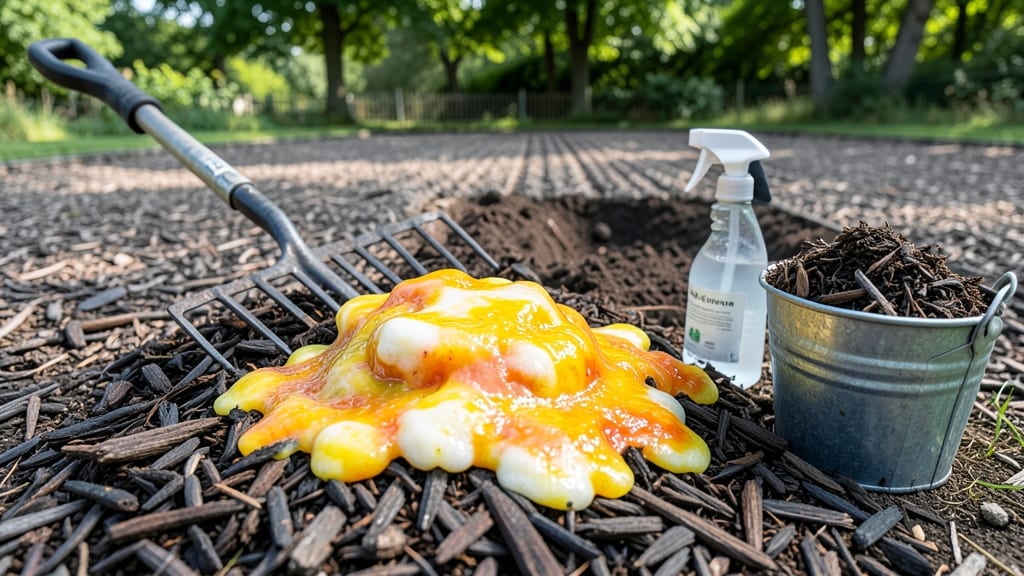
How to get rid of slime mold in mulch—that neon goo ruining your garden beds—is easier than you think. 🌱 I’ve seen it turn a perfectly neat landscape into a slimy mess overnight, until I discovered the boiling water blast that clears it in minutes without harming plants. The problem starts when damp mulch feeds fungal spores, creating that bright yellow, orange, or white slime. Most people panic and dig everything out, but you don’t need to. A 1-gallon pot of boiling water poured directly on the slime kills it instantly while keeping soil and plants safe. After treatment, rake the area to break up any remaining residue, then let it dry completely before reapplying fresh mulch. The key is acting fast—slime mold spreads like wildfire when conditions stay moist. Works for lawns, garden beds, and even potted plants. No chemicals, no fuss—just a quick fix that keeps your garden looking clean and healthy.
The Hidden Triggers Behind Slime Mold
Slime mold in mulch isn’t just a random nuisance—it’s a microbiological party 🎉 fueled by specific conditions. Understanding why it appears helps you prevent it before it becomes a slimy spectacle. Let’s break down the root causes with science-backed clarity.
Slime mold thrives in wet, damp environments—think of it as a fungal version of a sponge soaking up water. Here’s why moisture is its best friend:
- High humidity (above 80%): Slime mold spores love lingering moisture in the air. If your mulch stays damp for days (or weeks), you’re basically rolling out the welcome mat. 🏡
- Poor drainage: Compacted soil or thick mulch layers trap water like a swamp. Without airflow, organic matter rots, creating the perfect breeding ground for slime mold’s myxomycete cousins.
- Overwatering or rain: A sudden downpour or overzealous watering can turn mulch into a slime mold buffet. These organisms feed on decaying plant material—moisture accelerates decomposition, speeding up their growth.
Pro Tip: 💡 If your mulch feels soggy to the touch (like a wrung-out sponge), you’ve got the ideal slime mold climate. Aim for 60–70% moisture max—drier mulch = fewer slimy surprises.
Slime mold doesn’t just appear—it feasts. It feeds on:
- Leaf litter and fallen branches: As leaves and wood break down, they release nutrients that slime mold devours. The more organic debris, the more fuel for its growth.
- Old mulch buildup: Mulch breaks down over time, creating a rich, nutrient-packed layer. If you never refresh it, you’re essentially fertilizing slime mold.
- Compost piles nearby: Compost is a slime mold’s dream—warm, moist, and packed with decomposing plant material. If your mulch is adjacent to a compost heap, expect uninvited guests.
Key Insight: Slime mold isn’t harmful to plants, but it’s a sign your mulch is overly decomposing. Think of it as a biofeedback system: your garden’s telling you it’s time to tidy up.
Slime mold isn’t a fan of extreme heat or cold—it prefers lukewarm, stagnant conditions. Here’s why:
- Ideal temperature range: 60–75°F (15–24°C): Too hot? It slows down. Too cold? It hibernates. But in this Goldilocks zone, it explodes.
- Lack of airflow: Thick mulch layers block oxygen, creating an anaerobic (low-oxygen) environment. Slime mold adores this because it mimics its natural habitat—rotting logs and forest floors.
- Shady spots: Direct sunlight can dry out mulch, but shady, humid areas (like under dense trees) keep moisture levels consistently high, giving slime mold a permanent home.
Actionable Fix: 🌡️ If your mulch is in a low-traffic, shady corner, it’s a slime mold hotspot. Consider thinning the mulch layer (2–3 inches max) or adding gravel or bark chips to improve airflow.
Slime mold isn’t picky—it’ll eat almost any organic material. But it prefers soil with:
- High nitrogen levels: Freshly tilled soil or compost-rich beds are slime mold magnets because they’re packed with easily digestible nutrients.
- Phosphorus and potassium: These minerals (common in fertilizers) accelerate decomposition, which in turn feeds slime mold.
- Microorganism activity: Healthy soil teems with bacteria and fungi, but if the balance tips toward decomposition-heavy microbes, slime mold moves in.
Soil Test Tip: 📊 If your garden soil is heavily amended with compost or manure, you’re essentially feeding slime mold on the side. Consider a soil test to check nutrient levels—balancing them can reduce outbreaks.
Now that you know why slime mold crashes your mulch party, the next step is how to evict it—and trust us, boiling water is the nuclear option these slimy invaders fear. 🔥
Quick Fixes for Slime Mold Mess
Slime mold in mulch can feel like an unwelcome guest, but with the right approach, you can banish it fast—often in minutes. The key is matching the cause to the cure so you don’t waste time or effort.
Below, we’ve broken down the most effective solutions, from instant fixes to long-term prevention, so you can reclaim your mulch bed without stress.
If your mulch feels damp and the slime mold is glossy and spread like jelly, the problem is excess moisture. Here’s how to dry it out fast:
- 🍳 Blast with Boiling Water Grab a kettle or pot of boiling water and pour it directly onto the slime mold. The heat will kill the spores instantly.
For thick patches, repeat in sections. Pro tip: Use a funnel or a watering can with a narrow spout for precision.
- ☀️ Spread Mulch Thinly & Let It Bake If the mold keeps returning, your mulch layer might be too deep. Rake it out and spread it thinner (2–3 inches max) so it dries faster. Add coarse wood chips or pine straw—they drain better than fine mulch.
- 💡 Prevent Future Dampness
- Improve drainage by amending the soil with compost or sand before re-mulching.
- Avoid overhead watering—use drip irrigation or soaker hoses to keep mulch dry.
- Water early in the day so moisture evaporates before nightfall.
If the slime mold looks bright yellow, orange, or fuzzy (like a dog’s fur), it’s likely Fuligo septica (dog vomit slime mold) or a similar species. These types thrive in organic debris—here’s how to remove them for good:
- 🔪 Scrape It Off with a Rake or Gloves Put on disposable gloves (slime mold can irritate skin) and scrape the mold into a trash bag.
Don’t compost it—spores can survive! For stubborn patches, sprinkle baking soda (1 part to 10 parts water) and let it sit for 10 minutes before scraping.
- 🌡️ Solarize the Area If the mold keeps coming back, cover the mulch with clear plastic sheeting for 3–5 days in sunny weather. The heat will sterilize the top layer. Warning: Only do this in dry conditions—wet plastic traps moisture and worsens mold.
- ✨ Refresh the Mulch Once the area is dry and mold-free, replace the top 1–2 inches of mulch with fresh, dry material. Avoid leaf mold or shredded leaves—they hold moisture like a sponge.
Dark, crusty, or leathery slime mold often means a fungal infection has taken hold. These types (like Arcyria or Stemonitis) love decaying wood and thick mulch layers. Here’s how to tackle them:
- 🔪 Remove Affected Mulch Completely Dig out the top 3–4 inches of mulch where the mold is worst. Check for rotting wood or buried debris—these are breeding grounds. Discard in a sealed bag (don’t compost!).
- 💡 Treat with Hydrogen Peroxide (3%) Mix 1 part hydrogen peroxide with 3 parts water in a spray bottle. Drench the area until the soil is moist but not soggy. The peroxide kills spores without harming plants. Reapply every 3–4 days for a week.
- 🌱 Boost Soil Health Slime mold thrives where soil is nutrient-poor or compacted. Add a 1-inch layer of compost over the area, then top with coarse mulch (like pine bark nuggets). This improves aeration and reduces future outbreaks.
The best way to beat slime mold? Make your mulch bed hostile to it. Here’s how:
| Problem | Solution | How to Do It |
|---|---|---|
| Too much moisture | Improve drainage | Add sand or perlite to soil before mulching |
| Thick, compacted mulch | Use coarse materials | Switch to pine straw, bark nuggets, or gravel |
| Decaying wood/debris | Remove organic junk | Clear out old logs, leaves, and plant waste |
| Shady, humid spots | Increase airflow | Trim back overhanging plants, add trellises |
| Overwatering | Adjust irrigation | Switch to drip lines or water deeply but less often |
💡 Bonus Tip: If slime mold keeps returning, test your soil’s pH. Most slime molds prefer slightly acidic to neutral soil (6.0–7.0). If your soil is too alkaline (above 7.5), amend it with sulfur or pine needles to lower the pH naturally.
With these fixes, your mulch should stay clean, dry, and slime-mold-free in no time. The key is acting fast when you spot it and preventing the conditions that invite it back. Happy gardening! 🌱
Frequently asked questions
Is slime mold harmful to my plants or garden?
No, slime mold is completely harmless to plants! It doesn't damage roots or leaves—it's just an unsightly fungal growth that feeds on decaying organic matter. The real concern is the conditions causing it (like excess moisture), which can harm plant health over time.
How do I know if it's slime mold or something else?
Slime mold appears as bright yellow, orange, or white gelatinous patches that look like paint splatters or dog vomit. It moves when disturbed (unlike moss or algae) and disappears when dry. Check for these clues: slimy texture, vibrant colors, and no visible stems or leaves.
Can I use vinegar to kill slime mold in mulch?
White vinegar works in a pinch! Mix equal parts vinegar and water, spray directly on the mold, and let it sit for 10 minutes before rinsing. For best results, repeat every 2-3 days until gone. The acidity disrupts spores, but it won't prevent future outbreaks—fix drainage issues too!
How often should I check my mulch for slime mold?
After heavy rain or watering, check mulch beds every 3-5 days—that's when conditions become perfect for slime mold. For prevention, do a quick weekly inspection during humid weather. Early detection makes removal much easier!
Will slime mold come back if I don't fix the underlying problem?
Slime mold is a symptom of wet, organic-rich conditions. If you just remove the visible mold but don't address moisture issues (like thick mulch layers or poor drainage), it'll return within days. The boiling water method kills current growth, but prevention is key!