
How To
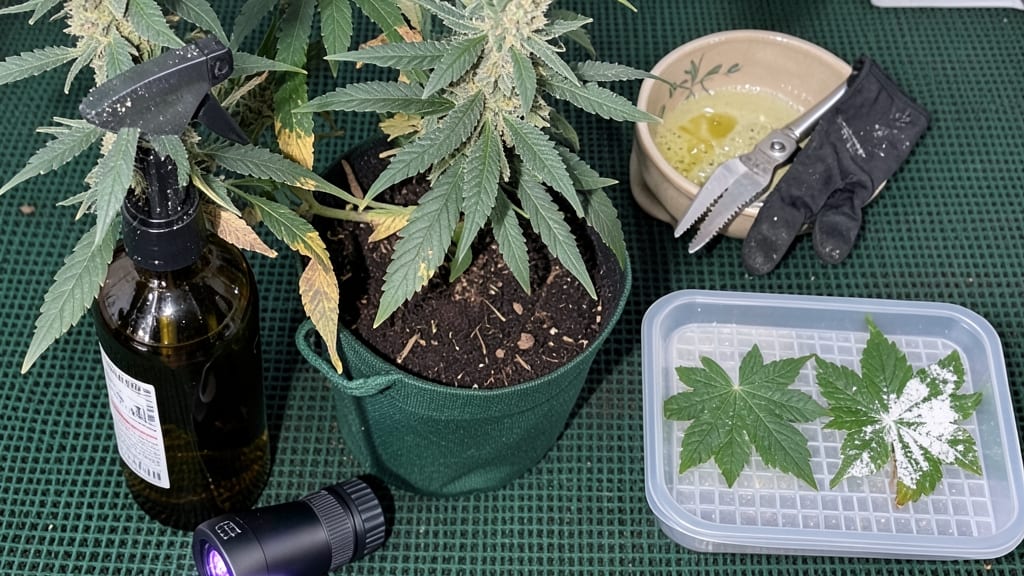
How to get rid of mold on cannabis plants can turn a thriving harvest into a lost cause—unless you act fast. 🌱 I’ve battled bud rot and powdery mildew enough to know the neem oil and pruning combo works where other fixes fail. The key isn’t just treating the visible mold but stopping it from creeping back. First, identify the mold type—bud rot (gray, fuzzy) or powdery mildew (white, dusty)—because each needs slightly different care. Prune infected areas immediately (sterilize your shears with rubbing alcohol first!), then spray with a neem oil solution (1 tsp per quart of water). This disrupts the mold’s life cycle while keeping your plants safe from harsh chemicals. Within 3-5 days, you’ll see new growth pushing through, and the mold should retreat for good. The trick is airflow and humidity control—aim for 40-60% humidity and fans running 24/7 to keep spores from hitchhiking on moist air. For prevention, space plants properly, avoid overhead watering, and inspect leaves weekly. This method saved my last crop when store-bought sprays failed—now I keep a bottle of neem oil on hand just in case.
Root Causes Of Cannabis Mold
Mold on your cannabis plants isn’t just an unsightly nuisance—it’s a silent threat that can destroy your harvest if left unchecked. Understanding the why behind mold growth is the first step to preventing it.
Below, we break down the key factors that turn your grow space into a mold magnet, with clear explanations of how each one triggers fungal outbreaks.
Mold spores thrive in damp environments, and cannabis plants are particularly vulnerable when humidity levels exceed 60%. Here’s why:
- Fungal Feast: Mold spores (like Botrytis cinerea or Aspergillus) germinate and spread rapidly when relative humidity stays above 70% for prolonged periods.
Think of it like a sponge soaking up water—your plant’s surface becomes an ideal breeding ground. - Stagnant Air: Poor air circulation traps moisture near leaves and buds, creating microclimates where mold can take hold.
Even a small pocket of high humidity (like near a leaf canopy) can trigger outbreaks. - Temperature Matters: Warmth (70–85°F) accelerates mold growth, while cooler temps (below 65°F) slow it down—but don’t drop below 55°F, as cold stress can weaken plants, making them more susceptible.
Actionable Insight: Use a hygrometer to monitor humidity and aim for 45–55% during flowering. If levels creep up, increase airflow with fans or a dehumidifier.
Cannabis plants need constant airflow to dry surfaces quickly and prevent moisture buildup. Without it, mold spreads like wildfire. Here’s how stagnant air fuels mold:
- Condensation Traps: Still air allows water droplets to linger on leaves, stems, and buds. These droplets create the perfect water film for mold spores to land and colonize. - CO₂ Buildup: Low airflow reduces oxygen levels, stressing plants and weakening their natural defenses.
Stressed plants are 3x more likely to develop mold. - Bud Rot Hotspots: Dense buds (especially in late flowering) trap humidity. If airflow doesn’t reach these areas, mold can form within 24–48 hours of excess moisture.
Actionable Insight: Install oscillating fans at least 12–18 inches from plants to create cross-ventilation. For tents, use exhaust fans with carbon filters to maintain fresh air exchange.
Watering your cannabis plants is essential, but overdoing it creates a mold paradise. Here’s how excess moisture plays a role:
- Root Stress → Leaf Weakness: Overwatered plants develop root rot, which weakens their immune response. Weak leaves can’t fight off mold spores effectively. - Surface Water Lingers: Water droplets on leaves (especially large fan leaves) provide a direct highway for mold spores to land and grow.
Even a few hours of wet foliage can trigger outbreaks. - Soilborne Fungi: Overwatered soil becomes anaerobic, encouraging soilborne pathogens like Pythium or Fusarium, which can spread to leaves via splashing water.
Actionable Insight:
- Water only when the top 1–2 inches of soil are dry (stick your finger in to check).
- Use bottom-watering or drip irrigation to avoid wetting leaves.
- Prune lower leaves to improve airflow and reduce moisture retention.
Even the cleanest grow space can harbor mold spores if proper precautions aren’t taken. Here’s how contamination happens:
- Dust And Debris: Mold spores are everywhere—on clothing, tools, and even the air.
Disturbing dusty surfaces (like old grow setups or unwashed pots) releases spores into your grow room. - Cross-Contamination: Reusing contaminated tools (scissors, pruners, trays) or infested growing medium (soil, coco coir) introduces mold directly to healthy plants. - Wild Spores: Outdoor grows are especially vulnerable to airborne spores from nearby gardens, compost piles, or even bird droppings.
Actionable Insight:
- Sterilize tools with 70% isopropyl alcohol between uses.
- Wash hands before handling plants to avoid transferring spores.
- Use HEPA air filters to reduce airborne contaminants.
While not a direct cause, nutrient imbalances weaken plants, making them easier targets for mold. Here’s how:
- Salt Buildup: Over-fertilizing causes nutrient burn, which creates tiny wounds on leaves. These openings let mold spores invade. - Nitrogen Overload: Excess nitrogen promotes lush, soft growth that’s prone to mold.
A balanced NPK ratio (like 7-7-7) keeps plants resilient. - Calcium/Magnesium Deficiency: Weak cell walls (from deficiencies) make plants more susceptible to pathogen attacks, including mold.
Actionable Insight:
- Flush plants with pH-balanced water every 4–6 weeks to prevent salt buildup.
- Use organic nutrients (like fish emulsion or worm castings) for slower, steadier growth.
- Test water and soil pH (ideal: 6.0–7.0 for soil, 5.5–6.5 for hydroponics) to avoid lockout issues.
Plants under stress are mold magnets. Sudden changes in light or temperature disrupt their natural defenses:
- Light Burn: Too much light (especially heat stress from HPS/MH lamps) causes bleached or crispy leaves, creating entry points for mold.
- Temperature Fluctuations: Rapid drops (below 55°F) or spikes (above 85°F) weaken plants, making them more vulnerable to infections.
- Light Cycle Disruption: 24/7 light (common in autoflower grows) prevents proper rest, leaving plants exhausted and defenseless.
Actionable Insight:
- Use LED grow lights (they emit less heat) and maintain 18–24 inches distance from plants.
- Keep temps stable with thermostats or space heaters (avoid drafts).
- Follow proper light schedules (18/6 for veg, 12/12 for flower).
Rich, organic soil is great for growth—but too much organic matter can backfire by creating a mold-friendly environment:
- Decomposition Heat: Fresh compost or manure heats up as it breaks down, trapping moisture and encouraging mold spores.
- Anaerobic Conditions: Overly dense soil (with high peat moss or coconut coir) retains water, preventing roots from drying properly.
- Microbe Imbalance: While beneficial microbes help plants, too many can compete with your cannabis, weakening its immune system.
Actionable Insight:
- Aerate soil with perlite or vermiculite (20–30% mix).
- Avoid fresh manure—use aged compost (6+ months old).
- Consider soilless mixes (like coco coir + perlite) for better drainage.
How to Fix It Fast
Mold on cannabis isn’t just unsightly—it can ruin your harvest if left unchecked. The good news? With the right approach, you can stop mold in its tracks and even salvage your plants.
Below, we’ve mapped out practical, step-by-step fixes based on the most common causes, plus prevention tips to keep future crops mold-free. Let’s roll up our sleeves and get to work! 🌱✂️
If your grow space is too damp, mold thrives like a weed (literally). Act fast to lower humidity and improve airflow.
🍳 Step 1: Reduce Humidity Immediately
- Dehumidifier or fan: Run a dehumidifier (aim for 40-60% humidity) or position a high-speed fan near the plants to circulate air.
- Ventilation tweaks: Open vents, adjust exhaust fans, or add an oscillating fan to break up stagnant air.
- Quick fix: Place a bucket of cat litter or silica gel near the plants to absorb excess moisture.
👨🍳 Step 2: Prune Infected Areas
- Cut out moldy buds (at least 1 inch below the visible mold) with sterilized scissors (rubbing alcohol works).
- Bag and dispose of infected trimmings outside your grow space to prevent spores from spreading.
- Pro tip: 💡 If mold is on fan leaves, prune them aggressively—these are the first to show signs.
🥘 Step 3: Apply Neem Oil Spray (Prevent Regrowth)
Mix 1 tsp neem oil + 1 tsp mild soap + 1 quart water in a spray bottle. Spray every 3-5 days for 2 weeks to:
- Kill mold spores on contact.
- Prevent fungal regrowth.
- Strengthen plant resistance.
Stagnant air = mold’s favorite hiding spot. Boost airflow to dry leaves faster and outcompete spores.
✂️ Step 1: Adjust Your Grow Setup
- Add more fans: A gentle breeze (5-10 mph) keeps leaves dry.
Use oscillating fans or clip-on fans. - Space plants properly: Overcrowding traps moisture. Trim lower branches or redistribute plants for better airflow. - Screen tents: If using a grow tent, add mesh panels to improve ventilation.
🔪 Step 2: Clean Your Grow Space
- Wipe down surfaces with 70% isopropyl alcohol to kill lingering spores.
- Replace moist grow media (if soil is soggy) with a drier mix (add perlite or coco coir).
- Disinfect tools: Sterilize scissors, pruners, and containers to avoid cross-contamination.
⏰ Step 3: Speed Up Drying Time
- Use a hairdryer (low heat) on moldy buds for 10-15 seconds to dry them out (test on a small area first).
- Harvest early: If mold is spreading, pick buds early (even if not fully mature) and dry them in a well-ventilated space.
If mold stems from dirty water or nutrient buildup, a deep clean is in order.
💡 Step 1: Flush the Soil
- Water heavily with pH-balanced water (6.0-7.0) to leach out excess salts and nutrients that feed mold.
- Add hydrogen peroxide (3%): Mix 1 tbsp per gallon of water and water the soil to kill mold spores naturally.
🌿 Step 2: Boost Beneficial Microbes
- Add mycorrhizal fungi or trichoderma to outcompete mold and strengthen plant roots.
- Baking soda spray (mild): Mix 1 tsp baking soda + 1 quart water + a drop of soap, spray once a week to prevent regrowth.
✨ Step 3: Quarantine New Plants
- Isolate new plants for 2 weeks before introducing them to your grow space to avoid introducing spores.
Once you’ve tackled the current outbreak, lock in these habits to prevent future mold:
- Monitor humidity with a hygrometer—keep it below 60% during flowering.
- Prune regularly to improve airflow, especially in dense buds.
- Use a UV light in your grow space to kill airborne spores.
- Store buds properly: Use food-grade buckets with breathable bags during drying/curing.
- Rotate crops: Avoid growing in the same space repeatedly without a deep clean.
If more than 50% of your plant is moldy or the roots are rotting, it may be best to euthanize the plant to save your harvest. Sometimes, sacrificing one plant prevents a full-room outbreak.
Remember: Mold is beatable, but speed is key. The sooner you act, the more you’ll save. Now grab that neem oil, fire up the fans, and give your plants the fresh start they deserve! 🌿💨
Frequently asked questions
Can I still harvest cannabis buds with mold?
Only if the mold is minimal and on the outer leaves. For buds, never harvest moldy flowers—even small patches can contain harmful spores like Aspergillus. Trim off all infected areas (at least 1 inch below visible mold) and discard them outside your grow space. If buds are heavily contaminated, consider harvesting earlier than planned and drying them in a well-ventilated area to minimize risk.
How do I know if my cannabis mold is dangerous?
Most common cannabis molds (like powdery mildew) are annoying but not toxic. However, black or green fuzzy mold (bud rot) can produce mycotoxins harmful to lungs. If you see black spots or greenish growth, avoid smoking or vaping those buds. Use a UV flashlight to check for hidden mold—it glows under UV light, revealing spores you can't see with the naked eye.
Will baking soda really work for cannabis mold?
Yes, but use it preventively, not as a cure. Mix 1 tsp baking soda + 1 quart water + a drop of dish soap and spray lightly on leaves once a week during flowering. It raises the pH slightly, making it harder for mold spores to germinate. For active outbreaks, combine baking soda with neem oil (1 tsp each) for better results. Always test on a small leaf first!
Can I reuse soil from a moldy cannabis plant?
Only if you sterilize it first. Spread soil in a thin layer on a baking sheet and bake at 200°F for 30 minutes to kill spores. Alternatively, mix in 10% hydrogen peroxide (3%) and let it sit for 24 hours before replanting. Never reuse contaminated soil without treatment—it’ll reinfect your next crop. For severe cases, replace the soil entirely with a fresh, well-draining mix.
How often should I check my plants for early mold signs?
Inspect your cannabis every 2-3 days during flowering, especially in high-humidity conditions. Look for white powdery spots (powdery mildew) or gray fuzzy patches (bud rot) on leaves and buds. Use a magnifying glass for close-ups—early detection is key! Morning checks work best when leaves are dry, making signs easier to spot.