
How To
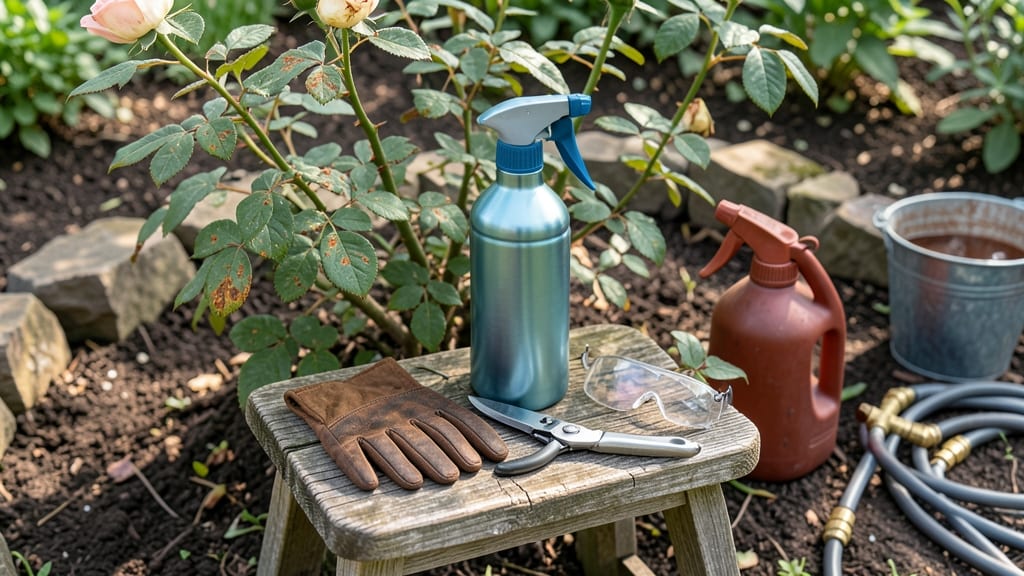
How to get rid of rust on roses—those unsightly orange splotches—requires fast action, and neem oil is your best defense. It’s not just a treatment; it’s a shield that stops rust from spreading before it takes over your entire bush. 🌿 I’ve battled this fungal foe for years, and the key is acting quickly before those spores wreak havoc. Most gardeners panic when they see rust, but the fix is simpler than you’d expect. You’ll need neem oil, water, and a spray bottle—no fancy equipment. The process takes about 20 minutes, and you’ll see results within 3-5 days if you catch it early. The secret? Reapplying every 7-10 days until new growth appears. Once treated, your roses will bounce back with vibrant green leaves and fewer infections. The neem oil doesn’t just kill rust—it strengthens the plant’s natural defenses, so future outbreaks are less likely. Plus, it’s safe for bees and other pollinators once dry. For stubborn cases, combine neem oil with baking soda for extra power. And here’s the real game-changer: prune infected leaves immediately to prevent spread. This isn’t just a quick fix—it’s a long-term strategy for rust-free roses.
Why it happens
H2: What Triggers Rust on Roses
Rust on roses isn’t just an eyesore—it’s a fungal infection that thrives under the right conditions. Understanding why it happens is the first step to preventing and treating it. Below, we break down the real culprits behind this pesky problem, backed by science and actionable insights.
🌧️ Excess Moisture and Humidity
Rust fungi (Phragmidium mucronatum and related species) love damp environments. When roses stay wet for prolonged periods—whether from rain, overhead watering, or poor drainage—the spores germinate and infect leaves. Why? High humidity (above 70%) creates the perfect breeding ground, allowing fungal spores to land, stick, and grow.
Even morning dew can be enough if it lingers on leaves.
Actionable clue: Look for rust spots on the undersides of leaves—this is where moisture pools and fungi thrive.
🌿 Poor Air Circulation
Roses packed too closely together or with dense foliage trap moisture and block airflow. Fungi spread faster in stagnant air because spores aren’t dispersed, and infected leaves stay damp. Science note: Airflow helps evaporate water and reduces humidity at leaf surfaces, making it harder for rust to take hold.
Actionable clue: Check your rose bushes for crowded stems or overlapping leaves—these are hotspots for rust outbreaks.
🍂 Old or Damaged Leaves
Rust spores often hitch a ride on decaying plant debris or injured leaves. Why? Weakened tissue lacks the defenses to repel fungi, and dead leaves provide a nutrient-rich landing pad. Over time, spores multiply and spread to healthier parts of the plant.
Actionable clue: Remove yellowed or spotted leaves immediately—don’t let them linger on the ground or in the bush.
🌡️ Temperature and Seasonal Factors
Rust thrives in cool, wet springs and falls (50–75°F). While it can appear in summer, extreme heat usually slows it down. Why? Fungal growth is temperature-sensitive—cooler temps with high humidity create ideal conditions for spore germination.
Actionable clue: Monitor your roses in early spring and late summer—these are peak risk periods.
🌱 Stressed or Weak Plants
Roses under stress (from drought, nutrient deficiencies, or pests) are more susceptible to rust. Science explains: Healthy plants produce natural antifungal compounds, but stressed ones can’t mount a strong defense. Even over-fertilizing with nitrogen (which promotes leafy growth) can weaken roots, making plants vulnerable.
Actionable clue: If your roses look pale, wilted, or have stunted growth, they’re at higher risk—boost their health with balanced fertilization and proper watering.
🌍 Contaminated Tools or Soil
Fungal spores can survive in soil, mulch, or gardening tools for years. If you’ve pruned infected roses and reused tools without sterilizing them, you’ve likely spread spores to other plants. Why? Spores are lightweight and travel easily via wind, water, or human activity.
Actionable clue: Always clean pruners with rubbing alcohol or a bleach solution between cuts, especially if rust is present.
Quick Fixes for Rusty Roses
Now that you understand why rust appears on your roses, let’s tackle the problem head-on with practical, effective solutions. Rust spreads fast, but with the right approach, you can restore your roses to their vibrant best—and keep them healthy long-term.
Below, we’ve mapped the most common causes to their fixes, from immediate cleanup to long-term prevention.
---
Cause: Rust spores thrive on fallen leaves, petals, and plant debris. Fix: 1. 🔪 Prune infected parts: Use clean, sharp pruners to cut away any leaves, stems, or buds showing rust spots. Dispose of them in the trash (not your compost bin)—do not leave them in your garden. 2. 🧹 Clear the area: Sweep up fallen leaves and debris from around your roses. Rust spores can survive in soil or mulch, so thorough cleanup is key. 3. 🌡️ Time it right: Do this in the morning when humidity is lower, so spores don’t spread via splashing water.
💡 Pro Tip: Wear gloves and a mask to avoid inhaling spores. If possible, soak pruned material in a 10% bleach solution (1 part bleach to 9 parts water) for 30 minutes before disposing to kill spores.
---
Cause: Existing rust infections need targeted treatment to stop spread. Fix: 1. 🍄 Choose the right spray: - Neem oil (organic): Mix 1–2 tbsp neem oil + 1 tsp mild soap + 1 quart water. Spray evenly on both sides of leaves and stems. Reapply every 7–10 days until rust disappears. - Baking soda spray (organic): Combine 1 tbsp baking soda + 1 tsp oil (like vegetable or canola) + 1 gallon water. Spray directly on rust spots—this raises leaf pH, making it harder for spores to infect. - Copper fungicide (chemical): Follow label instructions for coverage. Best for severe infections (e.g., late-season outbreaks). 2. 👨🍳 Apply correctly: - Spray early morning or late evening to avoid burning leaves in sunlight. - Cover all leaf surfaces, including undersides where rust often hides. - Reapply after rain (fungicides wash off).
✨ Bonus: Add 1 tsp hydrogen peroxide (3%) to your spray mix for extra antifungal power.
---
Cause: Overcrowding and wet foliage create ideal rust conditions. Fix: 1. 🌬️ Space out plants: Thin out rose bushes so air circulates freely. Aim for 12–18 inches of space between canes. 2. 💦 Water at the base: Avoid overhead watering, which splashes spores onto leaves. Use drip irrigation or soaker hoses to keep foliage dry. 3. 🌞 Prune for sunlight: Trim branches to allow 6–8 hours of sunlight daily. Shady, damp spots invite rust.
🎯 Prevention Hack: Install a small fan on a timer near your roses (if possible) to reduce humidity around leaves.
---
Cause: Weak or nutrient-deficient roses are more susceptible to rust. Fix: 1. 💪 Fertilize properly: - Use a balanced rose fertilizer (10-10-10 or similar) early in the growing season (spring). - Avoid high-nitrogen fertilizers late in the year—they promote soft, rust-prone growth. 2. 🍎 Boost immunity with compost: Mix 2–3 inches of compost into the soil around roses in early spring to improve root health. 3. 🌱 Mulch correctly: Use 2–3 inches of organic mulch (straw or shredded leaves) to insulate roots but keep it away from stems to prevent moisture buildup.
--- Stop rust before it starts with these year-round habits: - 🌿 Plant resistant varieties: Choose rust-resistant roses like ‘Knock Out’ or ‘Dr. Huey’ if rust is recurrent in your area. - 🧼 Clean tools: Sterilize pruners with rubbing alcohol between cuts to avoid spreading spores. - 🗓️ Fall cleanup: Remove all plant debris from your garden in late fall to eliminate overwintering spores. - 🌡️ Monitor humidity: Use a hygrometer to keep garden humidity below 70%—rust loves damp conditions.
--- Final Note: Consistency is key! Rust can reappear if you skip treatments or ignore prevention. Check your roses weekly during peak growing season (spring–summer) for early signs of rust, and act fast. With these steps, your roses will stay lush, healthy, and rust-free—promising blooms for seasons to come!
Frequently asked questions
Can I use vinegar to treat rust on roses?
While vinegar can help with some fungal issues, it's not ideal for rose rust. The acidity may burn leaves and won't effectively kill the spores. Instead, use neem oil or baking soda solutions which are gentler and more effective. For stubborn cases, a copper fungicide is your best bet.
How often should I spray my roses with neem oil?
Apply neem oil every 7-10 days until the rust disappears and new growth appears. For prevention, spray monthly during peak growing season (spring and summer). Always apply in the early morning or evening to avoid leaf burn from sunlight.
Will pruning alone stop rose rust from spreading?
Pruning removes infected parts, but it's only part of the solution. You must also treat the remaining plant with fungicide (neem oil or copper) and clean up all debris. Without treatment, spores can reinfect the plant or spread to others. Think of pruning as the first step in a multi-step process.
Can I still use my roses if they have rust?
Yes, but treat them immediately to prevent spread. Rust won't kill mature roses quickly, but severe infections can weaken plants and reduce blooms. Cut back on harvesting flowers until the rust is under control, as infected foliage can harbor more spores that may spread to your cuttings.
Why does rust keep coming back even after treatment?
Rust often returns due to lingering spores in soil or mulch, poor air circulation, or untreated plants nearby. To break the cycle: sterilize tools between cuts, remove all plant debris, improve airflow by spacing plants, and maintain consistent treatments. Consider resistant rose varieties for long-term solutions.