
Pests
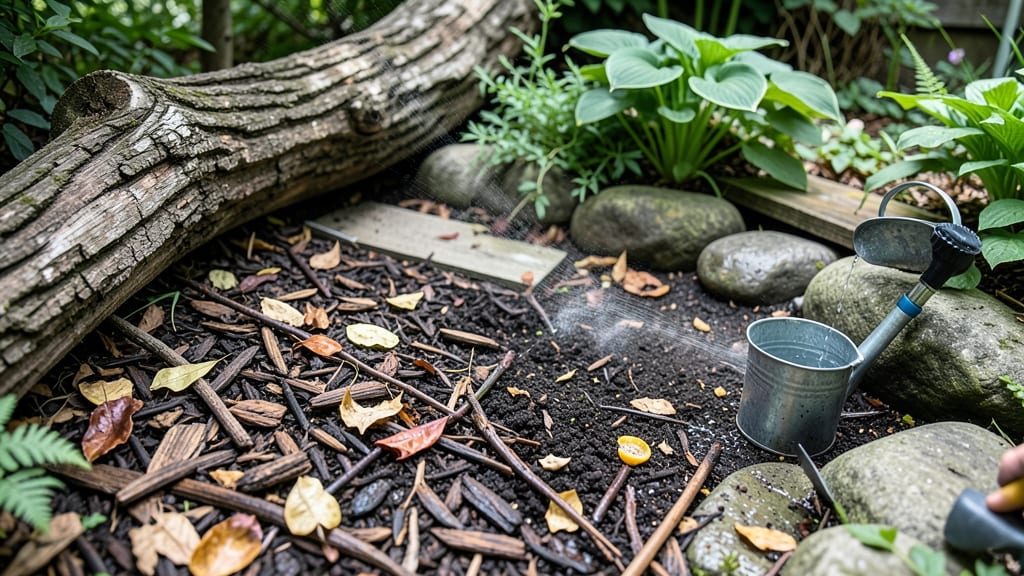
How to get rid of rolly pollies naturally—without chemicals or fuss? 🌱 I’ve kicked them out for good using a simple citrus-spice barrier that works in just a few days. The secret isn’t complicated: these critters hate citrus and spice. A mix of orange peels, cayenne pepper, and a sprinkle of diatomaceous earth creates a natural repellent they’ll avoid. Best part? It’s safe for plants, pets, and the soil. By morning, you’ll see them scurrying away from treated areas. The barrier lasts 2-3 weeks with rain, so reapply after heavy downpours for long-term control. Works for mulch beds, under decks, and even potted plants. No more hiding under logs or invading your veggie patch—just a clean, pest-free garden.
Understanding Rolly Pollie Overpopulation
Rolly pollies—those armored, pill-like critters also known as pill bugs or woodlice—might seem harmless, but their sudden appearance in your garden or home can be more than just a nuisance.
If you're dealing with an unexpected surge in their numbers, the root causes are usually tied to environmental factors, food availability, and habitat preferences. Let’s break down why these creatures multiply and invade so aggressively.
Rolly pollies thrive in damp, humid conditions. Their exoskeletons are highly sensitive to dehydration, so they seek out areas with consistent moisture—think mulch piles, leaf litter, or even damp basements.
If your yard retains too much water (due to poor drainage, overwatering, or heavy rainfall), you’re essentially creating a five-star resort for them.
- Why it matters: A single damp spot can become a breeding ground, as females lay eggs in moist soil. Without proper drainage, their population can explode within weeks.
- Actionable insight: If your garden has soggy patches, consider aerating the soil or installing French drains to reduce standing water.
Rolly pollies are detritivores—they feast on decomposing plant material like dead leaves, rotting wood, and compost. If your yard or garden has an abundance of organic debris (especially in shaded, damp areas), you’re providing them with an all-you-can-eat spread. The more food available, the faster their numbers grow.
- Why it matters: A compost pile or thick layer of mulch can support hundreds of rolly pollies, as they reproduce rapidly when resources are plentiful.
- Actionable insight: Regularly clear away leaf litter, fallen branches, and excess mulch to deprive them of their favorite snacks.
While rolly pollies prefer outdoor environments, they’ll happily migrate indoors if conditions are right. Basements, crawl spaces, and even bathrooms with poor ventilation become attractive when they’re escaping dry spells or seeking moisture.
If your home has cracks in the foundation, gaps around doors, or unsealed vents, you’re rolling out the welcome mat.
- Why it matters: Indoors, they can spread to potted plants, damp laundry piles, or even your kitchen if moisture levels are high.
- Actionable insight: Seal entry points with caulk or weatherstripping, and use dehumidifiers in prone areas to make your home less inviting.
Rolly pollies are most active during spring and fall when temperatures are mild and moisture levels are high. During these seasons, their breeding cycles accelerate, leading to sudden population spikes. If you’ve noticed an influx during these times, it’s likely a natural lifecycle surge rather than a new infestation.
- Why it matters: Eggs laid in spring hatch quickly in warm, damp conditions, leading to a "boom" in visible rolly pollies by summer.
- Actionable insight: Proactive moisture control and habitat disruption (like tilling soil) can reduce their numbers before they multiply.
Some plants naturally attract rolly pollies due to their moisture-retaining properties or decaying foliage. Hostas, ferns, and ivy, for example, create shady, humid microclimates that rolly pollies adore. If your garden features these plants, you might unknowingly be fostering an ideal environment for them.
- Why it matters: Dense ground cover limits airflow and traps moisture, turning your garden into a rolly pollie hotspot.
- Actionable insight: Trim back dense foliage, space plants to improve airflow, and opt for drought-tolerant plants in problem areas.
By identifying which of these factors are at play in your space, you can take targeted steps to disrupt their cycle. The key is consistency—addressing moisture, food sources, and shelter will go a long way in keeping their numbers in check naturally.
Natural Fixes That Actually Work
Rolly pollies (pill bugs) may seem harmless, but their presence can be a nuisance—especially when they invade your garden, home, or yard. The good news? You can tackle them naturally without harsh chemicals.
Below, we’ve mapped out targeted solutions based on the most common causes of infestations, along with preventive tips to keep them away for good.
If your yard or garden stays soggy, rolly pollies thrive in damp, decaying organic matter. Fix it fast with these steps:
- 🌞 Improve Drainage
- Rake away thick layers of mulch or leaves where water pools.
- Add sand or gravel to garden beds to help excess moisture drain.
- ☀️ Reduce Humidity in Problem Areas
- Place absorbent materials like cat litter, diatomaceous earth (food-grade), or coarse sand in entry points (under decks, near foundations, or in crawl spaces).
- Sprinkle lightly—not too thick, or it’ll clump and lose effectiveness.
- 💡 Pro Tip:
- Avoid overwatering plants. Water deeply but less frequently to let soil dry between sessions.
Rolly pollies love decomposing leaves, wood, and plant debris. Starve them out with these tricks:
- 🗑️ Clear Debris Regularly
- Remove fallen leaves, rotting wood, and grass clippings from your yard and garden edges.
- Compost piles? Turn them frequently and keep them dry to deter pests.
- 🌿 Trim Back Overgrown Plants
- Tall weeds and dense foliage create hiding spots. Keep your garden neat and tidy.
- Bonus: This also prevents other pests like slugs and earwigs.
- 🔪 Use Natural Repellents
- Sprinkle crushed eggshells, coffee grounds, or citrus peels near entry points. The acidity and texture discourage them.
- Caution: Reapply after rain—effectiveness fades when wet.
If rolly pollies are sneaking into your home, they’re likely hitching a ride on firewood, plants, or damp cardboard. Block their access with these fixes:
- 🚪 Inspect and Seal Gaps
- Check windows, doors, vents, and foundation cracks for openings wider than 1/8 inch.
- Use caulk, steel wool, or weather stripping to close gaps.
- 🪵 Store Firewood Properly
- Keep wood elevated, off the ground, and at least 20 feet from your home.
- Use metal racks (not leaning piles) to prevent moisture buildup.
- 🌿 Keep Houseplants Dry
- Rolly pollies love damp soil. Water plants only when needed and empty saucers under pots.
- Quick fix: Wipe down leaves with a vinegar-water spray (1:1 ratio)—the smell repels them.
Rolly pollies prefer cool, damp conditions. Disrupt their comfort zone with these methods:
- ☀️ Bake Them Out (Outdoors)
- On a sunny day, rake up piles of leaves or mulch and leave them in direct sunlight for a few hours. The heat will dehydrate them.
- ❄️ Freeze Problem Areas (Indoors)
- If you spot them in basements or garages, seal the area and let it cool significantly (below 40°F). They’ll retreat.
- 💡 Pro Tip:
- Diatomaceous earth (DE) works in both heat and dry conditions. Sprinkle lightly in cracks and along foundations—it dries them out without chemicals.
The best defense? Eliminate what attracts them and keep your property dry and tidy.
| Prevention Tip | How to Do It | Frequency |
|---|---|---|
| Reduce standing water | Fix leaky hoses, clean gutters, slope soil away from foundations | Monthly checks |
| Use gravel instead of mulch | Replace thick mulch with gravel or wood chips in high-moisture areas | One-time swap |
| Keep gutters clean | Remove leaves and debris to prevent water buildup | Every 2-3 months |
| Store firewood away | Keep stacks dry and 20+ feet from home | Always |
| Inspect after rain | Check for new damp spots and treat with DE or sand | After heavy rain |
Final Thought: Rolly pollies are easy to outsmart—they just need the right conditions to thrive. By drying out their hideouts, removing food sources, and sealing entry points, you’ll send them packing without toxic sprays.
Try one or two methods this weekend, and you’ll see a difference in days! 🚀
Frequently asked questions
Are rolly pollies harmful to plants?
Rolly pollies are actually beneficial in small numbers—they help break down decaying organic matter and improve soil health. However, when they overpopulate, they can chew through young seedlings and tender plant roots. Focus on balancing their numbers naturally to maintain a healthy garden ecosystem.
How long does it take for natural remedies to work?
Most natural solutions like citrus barriers or diatomaceous earth show results within 24-48 hours, but full effectiveness takes 3-7 days as they gradually avoid treated areas. For severe infestations, combine methods (like improving drainage + repellents) for faster results. Reapply after rain to maintain effectiveness.
Can I use vinegar to kill rolly pollies?
While vinegar repels rolly pollies with its strong smell, it won’t kill them outright. Mix equal parts vinegar and water in a spray bottle and apply to entry points or damp areas. For better results, combine with other methods like removing moisture sources or using diatomaceous earth. The smell disrupts their habitat, making your property less inviting.
Why do I keep seeing them after treatment?
Rolly pollies reproduce quickly, so new hatchlings may appear even after treatment. Consistency is key—reapply natural barriers every 2-3 weeks, especially after rain. Check for hidden moisture sources (like leaky pipes or overwatered plants) that might be attracting new ones. A thorough cleanup of debris also helps break their life cycle.
Are rolly pollies the same as pill bugs?
Yes! Rolly pollies and pill bugs are the same creatures—just different names for the same armored, moisture-loving critters. They curl into a ball when threatened, which is how they got their common names. Both thrive in damp environments and can become pests when their numbers spiral out of control. Use the same natural control methods for both.