
How To
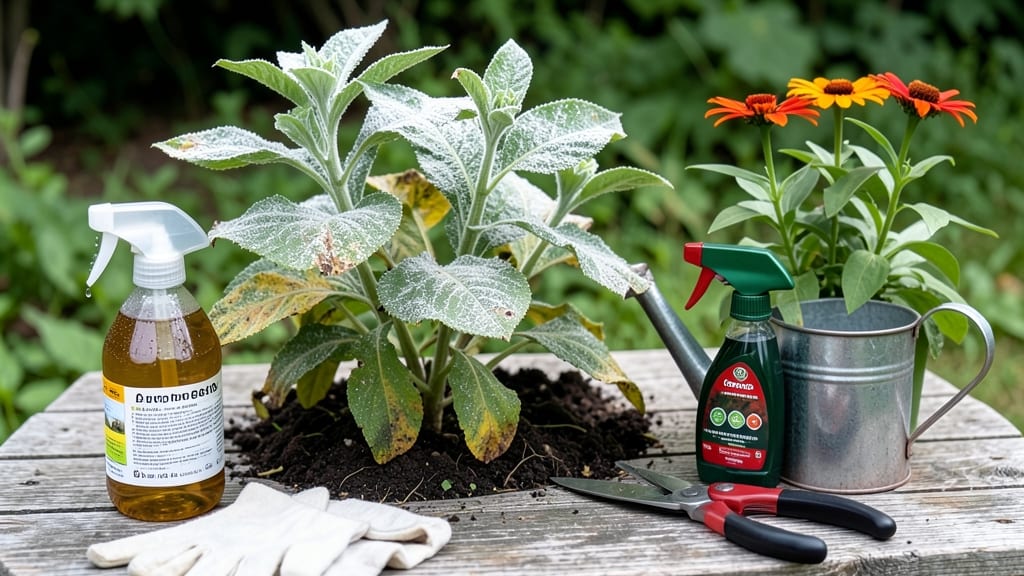
That white dust on your zinnias isn’t snow—it’s powdery mildew, and how to get rid of it on zinnias is simpler than you’d think. ✨ I’ve battled this fungus for years, and the baking soda spray I’ll share stops it in its tracks without harsh chemicals.
The key is acting fast before the leaves turn brown and drop. Most gardeners panic when they see those telltale white spots, but the solution is simpler than you’d expect.
You only need three ingredients—baking soda, water, and a few drops of dish soap—to create a spray that disrupts the fungus’s life cycle. Apply it on a cloudy morning, and you’ll see improvement within 3-5 days.
By the time you’re done, your zinnias will bounce back with vibrant blooms, free from that clinging white film. The spray works on other plants too, making it a foolproof addition to your gardening toolkit. Prevention is easy—just water at the base and avoid overhead sprinkling.
This method saves plants, not just flowers. Once you’ve tried it, you’ll never reach for chemical fungicides again. Let’s get those zinnias thriving!
Root Causes of Mildew on Zinnias
Powdery mildew isn’t just a random nuisance—it’s a fungal party 🎉 crashing your zinnias’ vibe, and understanding why it shows up is half the battle. This sneaky pathogen thrives on specific conditions, turning your vibrant blooms into sad, dusty ghosts.
Let’s break down the real culprits behind the outbreak, so you can outsmart (not just outspray) this fungal foe.
---
Powdery mildew (Erysiphe cichoracearum or Golovinomyces orontii) loves warmth + moisture—think of it as a fungal Goldilocks. Temperatures between 60–80°F (15–27°C) are its sweet spot, while high humidity (70%+) creates the ideal breeding ground.
Here’s the science: - Spores germinate when humidity stays above 9 hours/day (even if temps drop at night). - Stagnant air traps moisture near leaves, giving spores a cozy landing pad. - Nighttime dew (especially in greenhouses or shaded gardens) extends the fungal party into the wee hours.
Actionable insight: If your zinnias are in a hot, shady spot or under drip irrigation that keeps foliage damp, you’re basically rolling out the red carpet for mildew.
---
Zinnias aren’t just pretty—they’re thirsty plants that need space to breathe.
When they’re packed too closely: - Leaves brush together, spreading spores like confetti at a parade. - Air can’t circulate, trapping humidity and fungal spores in a stagnant cloud. - Shade-loving varieties (like ‘Benary’s Giant’) grow lush but dense, creating mildew magnets.
Pro tip: 🌡️ Prune strategically—remove lower leaves that touch the soil (they’re ground zero for spore splashback) and thin plants to 12–18 inches apart for airflow.
---
Zinnias hate “wet feet.”
While they need 1–1.5 inches of water weekly, the how matters: - Frequent light watering keeps soil surface damp, encouraging spores to germinate. - Compacted or clay soil holds moisture too long, turning roots into a fungal buffet. - Watering overhead (especially in the evening) soaks leaves, giving mildew a 24-hour head start.
Science alert: Spores need free water on leaf surfaces to infect—like a fungal snorkel mask. Drip irrigation or soaker hoses at the base keep leaves dry.
--- Stressed zinnias are like an unlocked door for mildew.
Common stressors include: - Nutrient deficiencies (especially phosphorus or potassium), which weaken cell walls. - Sudden temperature swings (e.g., hot days + cold nights) shock plants into vulnerability. - Pests (like spider mites) damage leaves, creating entry wounds for fungi.
Fix it: Feed zinnias with a balanced fertilizer (10-10-10) at planting and mid-season, and mulch with compost to retain nutrients without smothering roots.
--- Not all zinnias are created equal. Some powdery mildew magnets include: - ‘Crystal’ series (prone to fungal issues due to dense foliage). - White zinnias (their color can’t hide early mildew signs, but all colors are at risk). - Heirloom varieties (often less disease-resistant than hybrids like ‘Benary’s Giant’).
Smart swap: Opt for mildew-resistant hybrids (check seed packets) or interplant with mildew-repelling companions like marigolds or snapdragons.
--- Mildew spores survive for years in soil, debris, or old plant matter. If your garden had zinnias (or other hosts like roses, cucumbers, or squash) last year, spores are still there, waiting for the right conditions to strike again.
Cleanup crew: 🧹 Remove all infected plant debris (don’t compost it!) and rotate crops—don’t plant zinnias in the same spot yearly.
--- Outdoor zinnias in spring/fall rains or greenhouse settings face double trouble: - Rain splashes spores onto leaves like a fungal water balloon fight. - Greenhouses trap humidity, creating a 24/7 mildew sauna.
Solution: Use row covers for outdoor plants or increase ventilation in greenhouses (a fan on low can work wonders).
--- Here’s a twist: Some soil fungi (like Trichoderma) can compete with mildew for resources, but if disrupted (by harsh chemicals or over-tilled soil), they lose the battle. A healthy soil microbiome is your first line of defense.
Boost it: Add compost tea or mycorrhizal fungi to soil to crowd out mildew naturally.
Quick Fixes for Zinnia Mildew
Powdery mildew on zinnias may feel like a stubborn foe, but with the right approach, you can restore your blooms to their vibrant best—fast. Below are targeted solutions based on the root causes (humidity, poor airflow, or weak plants) and preventive steps to keep mildew from returning.
Each fix is designed to be easy, effective, and garden-friendly—no harsh chemicals required!
---
Problem: Zinnias packed too tightly trap moisture, creating the perfect mildew party.
Solution: - Prune aggressively 🔪: Snip away crowded stems to improve airflow. Aim for 3–4 inches of space between plants. - Space new plants wisely: When replanting, give zinnias 12–18 inches of breathing room (check seed packet guidelines). - Stake or cage tall varieties to prevent stems from touching each other.
Prevention Tip: 💡 Mulch lightly (1–2 inches of straw or shredded leaves) to keep soil moist without smothering plants. Never mulch too close to stems—this traps dampness.
---
Problem: High humidity or overhead watering turns zinnias into mildew magnets.
Solution: - Water at the base 💧⏰: Soak the soil early in the day (before 10 AM) to let foliage dry quickly. Avoid wetting leaves—use a soaker hose or drip irrigation. - Improve drainage 🌡️: Ensure pots or garden beds have holes or raised beds to prevent soggy roots. Amend clay soil with compost or perlite. - Morning sun = drying power ✨: Plant zinnias in full sun (6+ hours/day) to evaporate excess moisture faster.
Pro Tip: 🎯 If humidity is extreme, use a fan on low near plants for 10–15 minutes daily to circulate air.
---
Problem: Existing mildew needs a fast-acting, plant-safe treatment to halt spread.
#### 1. Baking Soda Spray (Best for Early Stages) Why it works: Baking soda raises the pH of the leaf surface, making it inhospitable for fungi.
Recipe: - 1 tsp baking soda - 1 quart water - 1 tbsp horticultural oil or dish soap (reduces surface tension) - Optional: 1 tsp neem oil (for extra antifungal power)
How to apply: 🍳 1. Mix ingredients in a spray bottle. 2. Spray undersides of leaves (where mildew loves to hide) until glistening. 3. Reapply every 7–10 days or after rain.
⚠️ Caution: Test on a small leaf first—some zinnias may react to soap.
#### 2. Neem Oil (For Moderate to Severe Cases) Why it works: Neem oil smothers spores and prevents regrowth. It’s organic, fast-acting, and safe for edible gardens.
How to apply: 👨🍳 1. Mix 1 tbsp neem oil + 1 tsp mild soap in 1 quart water. 2. Spray thoroughly (focus on undersides and stems). 3. Reapply every 5–7 days until mildew disappears.
Pro Tip: 🌡️ Apply neem oil in the evening to avoid burning leaves in hot sun.
#### 3. Hydrogen Peroxide (3%) – Emergency Rescue Why it works: A 3% food-grade solution kills mildew spores on contact without harming plants.
How to apply: - Mix 1 tbsp 3% hydrogen peroxide + 1 quart water. - Spray directly on mildew until leaves are damp. - Repeat every 3–4 days until clear.
✨ Bonus: This spray also disinfects tools—soak pruners in it between uses!
---
Problem: Weak plants are mildew’s favorite snack. Boost their immunity!
Solution: - Fertilize lightly 💪: Use a balanced, water-soluble fertilizer (10-10-10) at half strength every 4–6 weeks. Avoid high-nitrogen—it encourages leafy (not flowery) growth. - Compost tea 🥗: Brew 1 cup compost + 5 gallons water for 24 hours, then strain and spray foliage. This adds beneficial microbes that outcompete mildew. - Remove infected leaves immediately 🗑️: Snip off any white, powdery spots and dispose of them in the trash (not compost)—this stops spores from spreading.
Prevention Tip: 💡 Plant zinnias with mildew-resistant companions like marigolds, nasturtiums, or basil—they repel pests and improve airflow.
---
To keep mildew from crashing your zinnias again: ✅ Rotate crops—don’t plant zinnias in the same spot yearly. ✅ Clean up debris in fall to remove overwintering spores. ✅ Choose resistant varieties like ‘Benary’s Giant’ or ‘Crystal’ zinnias. ✅ Monitor humidity—use a hygrometer if growing in greenhouses.
--- Final Thought: 🎯 With these fixes, your zinnias should bounce back in 1–2 weeks—and stay mildew-free with consistent care. Act fast, and your garden will thank you with bold, healthy blooms all season!
Frequently asked questions
Can I use vinegar to treat powdery mildew on zinnias?
While vinegar (1 tbsp per gallon of water) can kill mildew spores, it’s too harsh for zinnias and may damage leaves. Stick to baking soda or neem oil instead—they’re gentler and just as effective. Always test any homemade spray on a small leaf first.
How long does it take to see results after spraying?
With consistent treatment, you’ll notice improvement in 3-5 days. For severe cases, it may take 1-2 weeks to fully eliminate the mildew. Apply sprays in the morning so leaves dry quickly, which speeds up recovery.
Will cutting off infected leaves help stop the spread?
Remove any leaves with white powder immediately and dispose of them in the trash (not compost). This prevents spores from spreading to healthy foliage. Prune back to healthy green tissue—don’t leave stubs.
Can I still harvest zinnias with powdery mildew?
Yes, but only cut flowers from healthy stems—avoid any with mildew. The mildew won’t harm you, but infected blooms may wilt faster. After cutting, spray the remaining plant to prevent further spread.
What’s the best time of day to spray for mildew?
Spray in the early morning (before 9 AM) when humidity is lower. This gives leaves time to dry, preventing mildew from returning. Avoid spraying at night—moisture lingers longer in cooler temps.