
How To
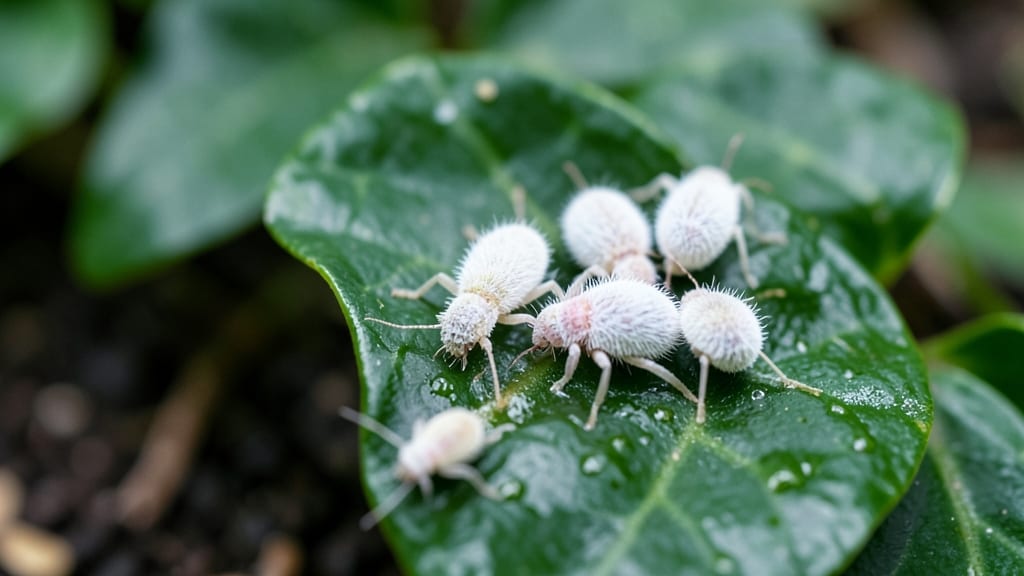
How to get rid of mealybugs on my English ivy—neem oil isn’t just another remedy, it’s the fastest, most effective solution to wipe them out without harming your plant. 🌿 The problem starts small: cottony clusters on stems or undersides of leaves. Left unchecked, they drain sap, weaken growth, and attract ants. Neem oil disrupts their life cycle by smothering adults and eggs, while its natural compounds prevent reinfestation. No harsh chemicals, no waiting weeks—just results in 3-5 days with consistent treatment. You’ll see the white fluff disappear, leaves regain their glossy green, and new growth push out stronger. The key is thorough coverage—every crevice, every hidden nook—so those pests don’t stand a chance. And once you’ve tackled the infestation, I’ll show you how to keep them away for good. Works for indoor plants, outdoor ivy, and even other houseplants. Let’s get your ivy back to thriving—no more sticky messes, just lush, healthy vines.
Root Causes of Mealybug Infestations
Mealybugs may seem like a random nuisance, but these tiny pests don’t just appear out of nowhere on your English ivy. Understanding why they target your plant—and why they thrive—is the first step to stopping them in their tracks.
Here’s a breakdown of the key factors that turn your lush greenery into a mealybug buffet.
🌱 Why it happens: Mealybugs are opportunistic pests, and a stressed or weakened English ivy is their ideal host. When your plant is struggling—whether from poor nutrition, disease, or environmental stress—its natural defenses (like sticky sap or strong foliage) weaken.
Mealybugs detect these vulnerabilities through pheromones and chemical cues, signaling them to invade.
🔬 Science behind it: Plants produce volatile organic compounds (VOCs) when under attack or stress. While these chemicals can repel some pests, mealybugs have evolved to exploit plants that emit low levels of defensive VOCs, often due to:
- Nutrient deficiencies: Lack of nitrogen, phosphorus, or potassium weakens cell walls, making the plant easier to penetrate.
- Overwatering or drought: Both extremes disrupt the plant’s osmotic balance, reducing its ability to produce protective resins.
- Root damage: Compacted soil, poor drainage, or root rot limit nutrient uptake, sending distress signals that attract pests.
💡 Pro tip: Before treating mealybugs, check your ivy’s soil pH (ideal: 6.1–6.5) and ensure it’s getting balanced fertilizer. A thriving plant is the best deterrent!
🌬️ Why it happens: Mealybugs love hiding in tight spaces where humidity lingers and airflow is minimal. If your English ivy is packed into a cramped pot, placed in a shaded corner, or surrounded by other plants, you’re creating the perfect microclimate for them to multiply unchecked.
🔬 Science behind it: Mealybugs thrive in high humidity (70%+) because their waxy coating prevents dehydration. Poor airflow also:
- Traps moisture near leaves, making them stickier (mealybugs adore sugary honeydew).
- Reduces transpiration (the plant’s natural cooling process), stressing the ivy further.
- Allows their natural predators (like ladybugs) to avoid the area, giving mealybugs free rein.
💡 Pro tip: Space your plants 6–12 inches apart and prune crowded growth. If humidity is the issue, use a small fan on low settings near your ivy—it disrupts mealybugs’ comfort zone!
🛒 Why it happens: Mealybugs often hitchhike into your home on new plants, soil, or even garden tools. If you’ve recently repotted your English ivy, brought home a new houseplant, or shared gardening equipment, you might’ve unknowingly introduced these pests.
🔬 Science behind it: Mealybugs are phloem-feeding insects, meaning they insert their proboscis into plant stems to suck sap. They reproduce quickly (a female can lay hundreds of eggs in her lifetime) and disperse via:
- Infested plants: Even a single mealybug can start a colony in weeks.
- Contaminated tools: Pruners, pots, or gloves can transfer eggs or nymphs.
- Wind or ants: Ants farm mealybugs for honeydew, spreading them to nearby plants.
💡 Pro tip: Quarantine new plants for 2–4 weeks before introducing them to your ivy. Wipe down tools with 70% isopropyl alcohol after each use.
☀️ Why it happens: Mealybugs are cold-sensitive and prefer temperatures between 70–85°F (21–29°C). If your English ivy lives in a cozy, indoor spot—like a sunny windowsill or a greenhouse—you’re essentially offering them a tropical vacation.
🔬 Science behind it: Their waxy coating helps retain moisture, but they still need warmth to:
- Accelerate metabolism and reproduction.
- Avoid natural predators that thrive in cooler conditions.
- Survive drought by burrowing into plant crevices.
💡 Pro tip: If your ivy is indoors, avoid placing it near heat vents or direct sunlight. A slight drop in temperature (below 60°F/15°C) can slow their lifecycle—nature’s pest control!
Quick Fixes for Mealybug Infestations
Now that you know why mealybugs are crashing your English ivy party, let’s tackle them head-on with practical, plant-safe solutions that work fast. The good news? You don’t need harsh chemicals—just a few targeted strategies to evict these pests for good.
Below, we’ll break down fixes by cause (so you can address the root problem) and include prevention tips to keep your ivy thriving long-term.
Cause: Mealybugs love weak, crowded plants where they can hide and feed undisturbed. Fix:
- ✂️ Trim back overgrown vines to improve airflow—this makes it harder for bugs to nest.
- ⚡️ Repot if needed if roots are bound or soil is compacted (use fresh, well-draining potting mix).
- 💧 Adjust watering: Let the top inch of soil dry out between waterings to prevent fungal growth, which attracts mealybugs.
Pro Tip: 💡 After pruning, dip your shears in rubbing alcohol to sterilize them and prevent spreading pests to other plants.
Cause: Mealybugs excrete honeydew, which attracts ants and fosters sooty mold—both of which weaken your ivy. Fix:
- 🧽 Wipe leaves with a damp cloth dipped in neem oil solution (1 tsp neem oil + 1 quart water + a drop of dish soap). This disrupts their life cycle and removes honeydew.
- 🐜 Target ant trails (if present) with diatomaceous earth (food-grade) or sticky traps near the soil line—ants "farm" mealybugs for honeydew!
- 🌞 Increase sunlight: Mealybugs thrive in shady, humid spots. Move your ivy to bright, indirect light if possible.
Pro Tip: ✨ For stubborn honeydew, mix 1 part vinegar + 1 part water in a spray bottle and lightly mist affected areas (test on a small leaf first).
Cause: If you spot cottony white blobs (adult mealybugs) or tiny white eggs, they’ve already set up camp. Fix:
Step-by-Step Attack Plan:
- 👨🍳 Isolate your ivy—place it in a separate room or bag it to prevent cross-contamination.
- 🔪 Use a cotton swab dipped in rubbing alcohol to wipe off adults and eggs (focus on leaf undersides and stems).
- 💦 Spray with neem oil (repeat every 5–7 days for 2–3 weeks to kill larvae). Recipe:
- 1 tbsp neem oil
- 1 quart water
- 1 tsp dish soap (helps the oil stick)
- Shake well and spray undersides of leaves thoroughly.
- 🌡️ Optional heat treatment: If infestation is severe, place the ivy in a closed car on a sunny day (100°F+ for 1 hour) to kill bugs. ⚠️ Monitor plants closely afterward!
Pro Tip: 🎯 For large plants, use a hose with a gentle stream to dislodge mealybugs before applying neem oil—this works like a natural "shower" for pests.
Cause: Mealybugs return if conditions (stress, humidity, or nearby hosts) stay ideal. Fix:
- 🌱 Quarantine new plants for 2–4 weeks before introducing them to your ivy collection.
- 🕷️ Inspect regularly: Check leaf undersides and stems weekly with a magnifying glass.
- 🌿 Companion planting: Place marigolds, lavender, or garlic near your ivy—their scents repel mealybugs naturally.
- 🌡️ Maintain balance: Avoid over-fertilizing (especially with nitrogen), which makes ivy soft and appealing to pests.
Pro Tip: 💡 Keep a small spray bottle of neem oil in your gardening toolkit—preventative sprays every 2 months can stop infestations before they start.
Final Note: Patience is key—mealybugs can take 3–4 weeks to fully eradicate, but consistency wins. Once your ivy is clear, celebrate with a healthy glow-up—your lush, bug-free English ivy will thank you! 🌿✨
Frequently asked questions
Why do mealybugs keep coming back even after treatment?
Mealybugs often return because their eggs survive initial treatments or because underlying conditions (like high humidity or poor airflow) remain unchanged. Focus on consistent neem oil applications every 5-7 days for 3-4 weeks to kill hatching larvae. Also check for hidden infestations in soil or leaf crevices, and improve plant health by adjusting watering and increasing airflow.
Is neem oil safe for my English ivy? What if it turns yellow?
Neem oil is generally safe for English ivy when used properly, but some plants may show temporary stress like yellowing if overused. Dilute it correctly (1 tbsp per quart of water) and avoid spraying in direct sunlight. If yellowing occurs, rinse leaves with plain water and reduce application frequency to every 10 days instead of weekly.
Can I use dish soap alone to kill mealybugs?
While dish soap can help smother mealybugs, it's not a complete solution by itself. Mix 1 teaspoon mild dish soap with 1 quart water and spray thoroughly, but follow up with neem oil or rubbing alcohol treatments to break their life cycle. Soap alone may kill adults but won't reach hidden eggs or prevent reinfestation.
How do I know if my ivy has mealybugs before they become visible?
Watch for these early signs: sticky residue on leaves (honeydew), ants crawling on your plant (they farm mealybugs), or leaves curling unexpectedly. Use a magnifying glass to check leaf undersides and stem crevices for tiny white specks—these could be early-stage mealybugs or eggs.
Will mealybugs spread to my other houseplants?
Absolutely—they'll spread quickly if not contained! Isolate your English ivy immediately and inspect nearby plants for signs. Mealybugs hitchhike on soil, tools, or even air currents, so quarantine new plants for 2-4 weeks and clean gardening tools with rubbing alcohol after each use to prevent cross-contamination.