
Pests
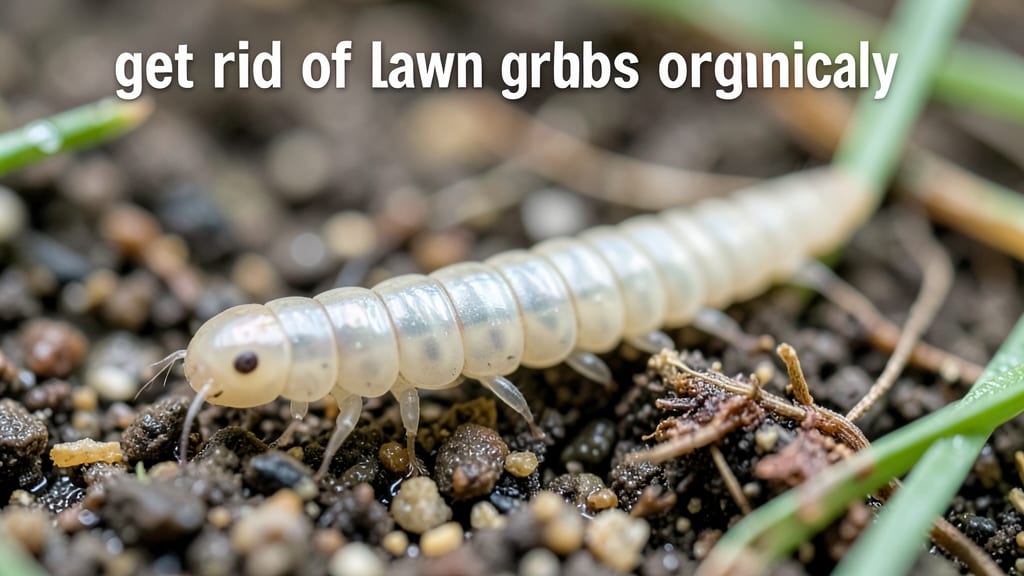
How to get rid of lawn grubs organically without turning to harsh chemicals—here’s the proven, three-pronged approach that actually works. 🌱 I’ve battled them for years—until I discovered the nematode powerhouse that actually works without harsh chemicals. The key? A three-pronged approach: natural predators, smart lawn care, and a few DIY tricks that stop grubs before they ruin your yard.
Most people panic and reach for pesticides, but that kills beneficial insects too. Instead, you’ll use beneficial nematodes (tiny microscopic worms) to hunt grubs, encourage birds and toads to snack on them, and adjust your watering and aeration to make your lawn less inviting.
I’ve seen grub populations drop by 80% in just 4-6 weeks with this method—no toxic residue, just a healthier lawn.
You’ll start by identifying the signs (wilted patches, moles, or birds digging) and then apply nematodes at the right time (late summer or early fall). Combine that with neem oil sprays and milky spore for a layered defense.
The best part? These methods prevent future infestations, so you won’t be stuck in a cycle of grub wars every year.
Works for any lawn type—cool-season or warm-season grasses—and even saves you money on expensive treatments. Let’s get your yard back to looking lush and grub-free for good.
The Hidden Triggers Behind Grubs
Lawn grubs—those C-shaped, white larvae—don’t just appear out of nowhere. They’re the result of a perfect storm of environmental conditions, turf health, and insect behavior. Understanding why they thrive in your yard is the first step to stopping them organically. Let’s break down the science behind their invasion.
Grubs love moisture—too much of it, in fact. When lawns are overwatered or sit in soggy conditions, the soil becomes a buffet for Japanese beetle and June bug larvae. Here’s why:
- Oxygen Deprivation: Excess water displaces oxygen in the soil, weakening grass roots and making them easier prey for grubs.
- Fungal Growth: Damp soil fosters fungi that grubs feed on, creating a cycle of decay that attracts more pests.
- Adult Beetle Attraction: Overwatered lawns mimic ideal breeding grounds, luring adult beetles to lay eggs in the top 2 inches of soil.
Actionable Fix: Test your soil’s drainage—if water pools after 6+ hours, amend with compost or sand to improve aeration.
Thatch—a layer of dead grass, roots, and debris—acts like a cozy blanket for grubs. Thick thatch (over ½ inch) traps moisture, provides shelter, and hides larvae from predators like birds and toads.
Why it’s a problem:
- Microclimate Creation: Thatch insulates the soil, keeping it warm and humid—ideal for grub development.
- Food Source: Decomposing organic matter feeds grubs, extending their lifespan and increasing their numbers.
- Predator Block: Birds and beneficial nematodes struggle to reach grubs buried in dense thatch.
Actionable Fix: Dethatch your lawn in early spring or fall using a rake or vertical mower. Aim for a thatch layer no thicker than ¼ inch.
Grubs are the larvae of beetles like Japanese beetles, June bugs, and chafers. If adult beetles are feasting on your roses or hovering over your lawn at dusk, their eggs are likely buried in your soil.
Key triggers:
- Beetle Flight Patterns: Adults emerge in late spring/early summer, flying up to 2 miles to lay eggs in grassy areas.
- Host Plant Attraction: Beetles are drawn to lawns with lush, nitrogen-rich grass (their favorite food source).
- Timing Matters: Eggs hatch in 7–14 days, turning into grubs that feed for 4–6 weeks before pupating.
Actionable Fix: Set up beetle traps (like pheromone traps) in early summer, but place them away from your lawn to avoid attracting more beetles.
Grubs thrive in soil temperatures between 60–90°F (15–32°C). If your lawn stays in this range for weeks (common in late summer), grub populations explode.
Why heat helps:
- Faster Metabolism: Warmer soil speeds up grub growth, allowing them to mature in weeks instead of months.
- Predator Slowdown: Birds and nematodes become less active in extreme heat, giving grubs unchecked access to roots.
- Extended Feeding Window: Grubs can survive longer, causing more damage before pupating.
Actionable Fix: Monitor soil temps with a soil thermometer. If temps rise above 85°F (29°C), water deeply in the early morning to cool the soil temporarily.
Grass fertilized with high nitrogen becomes soft and tender—a grub’s dream meal. While nitrogen promotes growth, it also makes roots more vulnerable.
How it backfires:
- Weakened Roots: Fast-growing grass from excess nitrogen has shallow roots, making it easy for grubs to sever them.
- Grub Magnet: Nitrogen-rich lawns attract adult beetles, which lay more eggs.
- Fungal Buffet: Over-fertilized grass often develops fungal issues, which grubs consume alongside roots.
Actionable Fix: Switch to a slow-release, balanced fertilizer (e.g., 10-10-10) and avoid late-summer applications when grubs are most active.
Bottom Line: Grubs don’t choose your lawn randomly—they’re responding to conditions you can control. By addressing moisture, thatch, beetle activity, soil temperature, and fertilization, you disrupt their lifecycle before they become a full-blown infestation. Stay tuned for organic solutions to kick them out for good!
Natural Ways to Eliminate Grubs Fast
Now that you know what’s causing those pesky lawn grubs, let’s tackle the problem with effective, organic solutions that work without harsh chemicals. Below, we’ve mapped out the best fixes for each common cause—plus prevention tips to keep your lawn grub-free for good.
Grubs thrive in soggy, dense soil where oxygen is scarce. To starve them out and improve your lawn’s health:
💧 Reduce Watering & Aerate
- Cut back on watering to let the soil dry out slightly between sessions. Grubs need moisture to survive—deprive them of it!
- Aerate your lawn in early fall or spring using a core aerator (rent one if needed).
This loosens compacted soil, allowing beneficial nematodes and microbes to move in and attack grubs. - Pro Tip: Aerate when the soil is slightly moist—not muddy—for best results.
🌱 Boost Soil Health with Organic Matter
- Spread a thin layer of compost or well-aged manure over the lawn. This improves drainage and encourages beneficial bacteria that outcompete grubs.
- Consider top-dressing with sand (if your soil is clay-heavy) to reduce compaction.
A struggling lawn is an open invitation for grubs. Strengthen your grass to make it less appealing:
🌱 Overseed Bare Spots
- Rake out thin patches and overseed with a tough grass variety (like tall fescue or Kentucky bluegrass) in early fall or spring.
- Use a starter fertilizer (low in nitrogen) to help new grass establish quickly.
💪 Fertilize Smartly
- Avoid high-nitrogen fertilizers in late summer—they encourage soft, tender grass that grubs love.
Instead, use a balanced organic fertilizer (like fish emulsion or compost tea) in early fall. - Pro Tip: Apply iron supplements (like liquid iron) to improve grass color and resilience without feeding pests.
The #1 organic solution for grub control is beneficial nematodes (Heterorhabditis bacteriophora). These microscopic predators seek out grubs, inject bacteria, and kill them within 48 hours.
🔪 How to Apply Nematodes
- Choose the right time: Apply nematodes in early evening or cloudy days (they die in direct sunlight).
- Water first: Soak the lawn 24 hours before and after application to help nematodes move through the soil.
- Spread evenly: Use a spreader or hose-end applicator to cover the lawn thoroughly. Follow package rates (typically 1–5 million nematodes per 1,000 sq. ft.).
- Reapply if needed: For severe infestations, apply nematodes every 4–6 weeks until grubs are gone.
Pro Tip: Combine with milky spore (a natural bacteria that targets Japanese beetle grubs) for long-term prevention.
Mother Nature has her own grub hunters—let them do the work!
🐞 Attract Birds & Toads
- Leave leaf litter or mulch in garden edges to attract robins, starlings, and toads, which feast on grubs.
- Install a small water source (like a shallow dish) to keep predators around.
🐝 Promote Healthy Soil Microbes
- Apply compost tea or mycorrhizal fungi to boost soil life. These microbes create an environment where grubs struggle to survive.
- Plant grub-resistant grasses like buffalo grass or fine fescue in high-risk areas.
The best defense is a strong, healthy lawn. Here’s how to keep grubs at bay long-term:
| Prevention Step | How to Do It | Best Time |
|---|---|---|
| Mow high | Set your mower to 3–4 inches to shade soil and deter egg-laying beetles. | Year-round |
| Remove thatch | Dethatch annually to disrupt beetle egg-laying sites. | Early fall |
| Use neem oil | Spray neem oil in early summer to deter Japanese beetles (grub parents). | June–July |
| Rotate crops | If you have garden beds, avoid planting corn or potatoes near the lawn (they attract grub-loving pests). | Spring/fall |
| Monitor adult beetles | Handpick or vacuum up Japanese beetles when they appear in late summer. | July–August |
Final Thought: Grubs don’t stand a chance against a well-aerated, strong lawn + nematodes + natural predators. Start with one or two methods this season, then expand based on your lawn’s needs. Within 4–6 weeks, you’ll see a grub-free, lush lawn—without chemicals! 🌱✨
Frequently asked questions
How do I know if my lawn has grubs?
Look for these telltale signs: patches of wilted, spongy grass that pulls up easily, increased mole or bird activity (they dig up grubs), or adult beetles hovering over your lawn at dusk. Roll back a small section of sod—if you see white, C-shaped larvae (grubs) in the soil, you’ve got an infestation.
When is the best time to treat grubs organically?
Apply nematodes or milky spore in late summer or early fall when grubs are young and most vulnerable. For neem oil sprays, treat in June–July to deter adult beetles from laying eggs. Avoid treatments during extreme heat or drought—soil needs to be moist but not soggy for organic methods to work.
Can I use coffee grounds to get rid of grubs?
Coffee grounds can help indirectly by improving soil health, but they’re not a direct grub killer. Spread a thin layer (½ inch) over your lawn to deter pests and boost microbes—but for real grub control, pair them with nematodes or beneficial microbes. Overdoing coffee grounds can acidify soil, harming grass.
How long does it take for nematodes to work?
Beneficial nematodes start hunting grubs within 24–48 hours of application, but you’ll see the most dramatic results in 4–6 weeks. For severe infestations, reapply nematodes every 4–6 weeks until grubs disappear. Combine with aeration to maximize their effectiveness.
Are there any organic grub treatments I should avoid?
Skip vinegar or bleach sprays—they’ll kill your grass along with grubs. Avoid overwatering (grubs thrive in soggy soil) and high-nitrogen fertilizers in summer (they make grass too tender). Also, don’t use petroleum-based oils like motor oil—they’re toxic to soil life. Stick to nematodes, neem oil, and milky spore for safe results.