
Pests
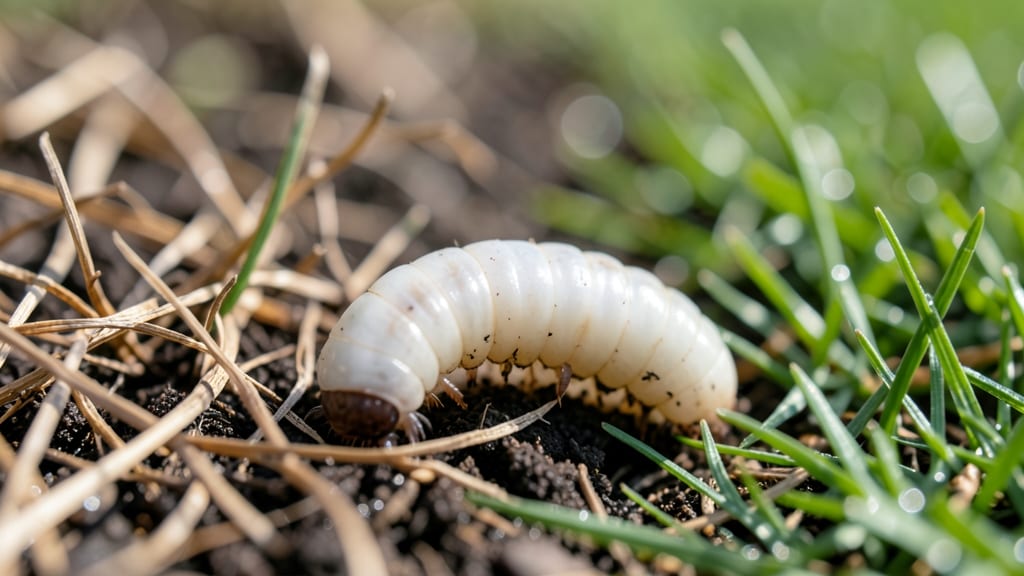
How to get rid of grubs in lawn naturally—before they turn your grass into a spongy mess? 🌱 I’ve dug up more of these squirming pests than I care to admit—and I’ve found the fastest, most effective ways to banish them without chemicals. The key is acting now before they skeletonize your grass roots.
You’ll need just three things: beneficial nematodes (the real heavy hitters), milky spore powder for long-term prevention, and a hose for easy application. These methods work in 2-4 weeks, and your lawn will bounce back greener than ever.
No more patchy, brown spots or sod that pulls up like wet paper.
The secret? Timing. Apply nematodes when soil temps hit 60-75°F and water is plentiful—think late spring or early fall. Milky spore takes longer (6-12 months) but builds a natural defense. I’ve seen lawns recover completely in 30 days with this approach, and the grubs never return.
Works for all lawn types, from cool-season Kentucky bluegrass to warm-season Bermuda. The best part? Your yard stays safe for pets, kids, and the environment. Let’s get those grubs gone for good—without the harsh stuff.
📚 In This Guide
- What you need
- Instructions
- Tips and common mistakes
- Wrapping up and next steps
What you need
- ● Garden gloves – A sturdy pair to protect your hands from dirt and potential bites (nitrile or leather works best).
- ● Shovel or spade – A flat-edged shovel (12–18 inches wide) for digging and aerating the lawn.
- ● Garden fork – A heavy-duty fork (tines spaced 1–2 inches apart) to loosen soil and extract grubs.
- ● Watering can or hose – For moistening the soil before and after treatment.
- ● Nematodes (beneficial) – Heterorhabditis bacteriophora or Steinernema carpocapsae (available online or at garden centers; 1–2 billion nematodes per 1,000 sq. ft.).
- ● Milk or milk-soaked cotton balls – Whole, unsweetened milk (1 part milk to 1 part water) or pre-soaked cotton balls (for DIY traps).
- ● Diatomaceous earth (food-grade) – 1–2 pounds per 100 sq. ft. (apply on dry, non-windy days).
- ● Cornmeal (fine-ground) – 1–2 cups per 100 sq. ft. (acts as a natural grub repellent).
- ● Neem oil – 1–2 tablespoons per gallon of water (for spraying; organic and non-toxic).
- ● Compost or organic matter – 1–2 inches of compost to improve soil health post-treatment.
- ● Lawn aerator – Rent or buy one to improve soil penetration for nematodes or treatments.
- ● Soil probe or screwdriver – For checking grub levels (6–8 inches deep).
- ● Broadcast spreader – For even application of diatomaceous earth or cornmeal.
- ● Birdseed or beer traps – 1–2 cups of beer in a shallow dish (to attract and drown adult beetles before they lay eggs).
- ● Compost tea – Boosts soil microbes and helps deter future grub infestations.
Step-by-Step instructions for eliminating grubs organically
Here's my battle-tested approach to clearing grubs without harsh chemicals—results show within weeks.
🪴 Step 1: Identify and Locate Active Grub Infestations
First, confirm you're dealing with grubs by digging up small patches of sod—focus on areas where brown patches appear despite regular watering. Look for white, C-shaped larvae about ½ to ¾ inch long burrowed in the top 2-3 inches of soil. I like to check after rain when grubs move closer to the surface.
Mark infested areas with flags or stakes so you can target treatments precisely. Grubs thrive in moist, compacted soil, so note any low spots where water pools. These zones will need extra attention during treatment. The more accurately you map the damage, the more effective your organic solutions will be.
🌱 Step 2: Apply Beneficial Nematodes for Immediate Control
Use Heterorhabditis bacteriophora nematodes—they're the most effective biological control for grubs. Mix the nematodes with water according to package instructions (typically 1-2 million nematodes per square foot) and apply in the evening when temperatures are between 50-85°F. Water the lawn lightly beforehand to help them move through the soil.
Apply the nematode solution directly to infested areas using a watering can with a fine rose attachment. Keep the soil moist for 7-10 days afterward to support nematode activity. You'll see results within 4-6 weeks as grub populations decline. This method works fastest when combined with other organic approaches.
☀️ Step 3: Introduce Grub-Predating Birds and Beneficial Insects
Encourage natural predators by installing birdhouses for species like robins, starlings, and blue jays—these birds have a voracious appetite for grubs. Place houses near infested areas and supplement with a shallow dish of mealworms to attract them. I've seen lawns recover completely within a season just from increased bird activity.
Also introduce ground beetles and soldier beetles by creating habitat with mulched borders and diverse plantings. These insects actively hunt grubs and their larvae. Avoid pesticides entirely during this phase, as they'll kill your beneficial predators along with the grubs. Focus on maintaining a healthy lawn ecosystem that supports these natural controls.
💧 Step 4: Implement Cultural Practices to Prevent Recurrence
Adjust your watering schedule to prevent soil compaction—grubs love dense, waterlogged conditions. Water deeply but infrequently (1-1.5 inches per week) to encourage deep root growth and reduce thatch buildup. Aerate the lawn in early fall when grubs are most active, using a core aerator to pull 3-4 inch deep plugs every 6 inches apart.
Overseed bare patches with a grub-resistant grass mix like tall fescue or Kentucky bluegrass. These varieties establish quickly and outcompete weeds that often follow grub damage. Apply a thin layer of compost after aerating to improve soil structure and provide organic matter that supports beneficial microbial activity.
✂️ Step 5: Monitor and Maintain Long-Term Grub Suppression
Check infested areas monthly by digging small test holes (2-3 inches deep) in multiple spots. Look for signs of new grub activity—even a few larvae indicate you need to repeat treatments. In late summer, apply a milky spore treatment to establish long-term biological control. It takes 2-3 years to fully establish but provides season-after-season protection.
Keep detailed records of treatment dates and results. Note which areas recover fastest and which need repeated attention. With consistent monitoring and the right combination of organic methods, most lawns show 70-90% grub reduction within one growing season. The key is persistence—grubs don't disappear overnight, but they will with focused organic management.
Tips & tricks for fast grub elimination
These targeted strategies will help you maximize results while avoiding common pitfalls in your organic grub control plan.
Timing Secret: The evening application of nematodes is critical because temperatures between 50-85°F create optimal conditions for their activity. I've found that applying them just before sunset gives them the best chance to move through the soil before nighttime cooling sets in. This timing aligns perfectly with their natural behavior patterns.
Visual Confirmation: When checking for grubs in Step 1, focus on the soil's texture rather than just color. Healthy lawn areas will have firm, springy turf when pressed, while grub-infested spots often feel spongy or give way easily. This tactile check helps you identify hidden infestations that might not show surface discoloration yet.
Predator Attraction: For Step 3, place birdhouses at least 10 feet from the lawn's edge to create a safe feeding zone. I've noticed robins and blue jays are particularly effective when their nesting areas are close to infested patches. The mealworm dish should be shallow (about 1 inch deep) to prevent spills that could attract unwanted pests.
Monitoring System: Create a simple tracking grid using stakes marked with treatment dates and results. I use colored flags (green for improvement, red for active infestations) to visually track progress. This visual system helps you quickly identify which areas need repeated attention during your monthly checks.
Pro Tips for Get Rid Of Grubs In Lawn Naturally
- These targeted strategies will help you maximize results while avoiding common pitfalls in your organic grub control plan.
- Timing Secret: The evening application of nematodes is critical because temperatures between 50-85°F create optimal conditions for their activity.
- Visual Confirmation: When checking for grubs in Step 1, focus on the soil's texture rather than just color.
Frequently asked questions
Got more questions about tackling grubs naturally? Here are some of the most common ones—and their answers!
Can I use neem oil to kill grubs in my lawn?
Yes! Neem oil is a fantastic natural grub deterrent. Mix it with water and a mild soap, then spray it directly on the lawn. It disrupts their life cycle and repels them. For best results, apply it in the evening when grubs are most active. Reapply every 2–3 weeks until they’re gone!
How long does it take for natural grub treatments to work?
Most organic methods take 4–6 weeks to fully eliminate grubs, depending on the severity of the infestation. Beneficial nematodes and milky spore (a natural bacteria) can take longer—up to several months—but they provide long-term protection. Patience is key!
Will grubs come back after I treat my lawn?
If you don’t address the root cause (like overwatering, thick thatch, or excessive organic matter), grubs can return. To prevent regrowth:
- Improve drainage
- Reduce excess moisture
- Apply milky spore for lasting defense
- Encourage natural predators (birds, toads, etc.)
Is it safe to water my lawn after applying natural grub treatments?
Yes, but wait 24–48 hours after applying most organic treatments (like nematodes or neem oil) before watering. This gives them time to work. For beneficial nematodes, water lightly immediately after application to help them move into the soil. Always follow product instructions!
What’s the best time of year to treat grubs naturally?
The ideal window is late spring to early summer (May–June) when grubs are young and most vulnerable. However, you can treat fall (September–October) too, as grubs hatch from eggs. Avoid treating in extreme heat or cold—aim for 60–80°F for best results.
How do I know if my lawn still has grubs after treatment?
Check for these signs:
- Brown, spongy patches that pull up easily (like a "sod roller")
- Increased bird or animal activity (they love grubs!)
- Visible grubs in the soil when digging a small test hole
Wrapping up and next steps
Say goodbye to grubs without harsh chemicals—your lawn can thrive again! 🌱 By following these natural methods like nematode treatments, beneficial nematodes, and organic sprays, you’re not just eliminating pests but also fostering a healthier ecosystem.
Start small, stay consistent, and soon you’ll enjoy a lush, grub-free lawn that’s the envy of the neighborhood.
Ready to take action? Pick one method today—whether it’s aerating your soil, applying nematodes, or setting up beer traps—and watch your lawn bounce back! 🌟