
Pests
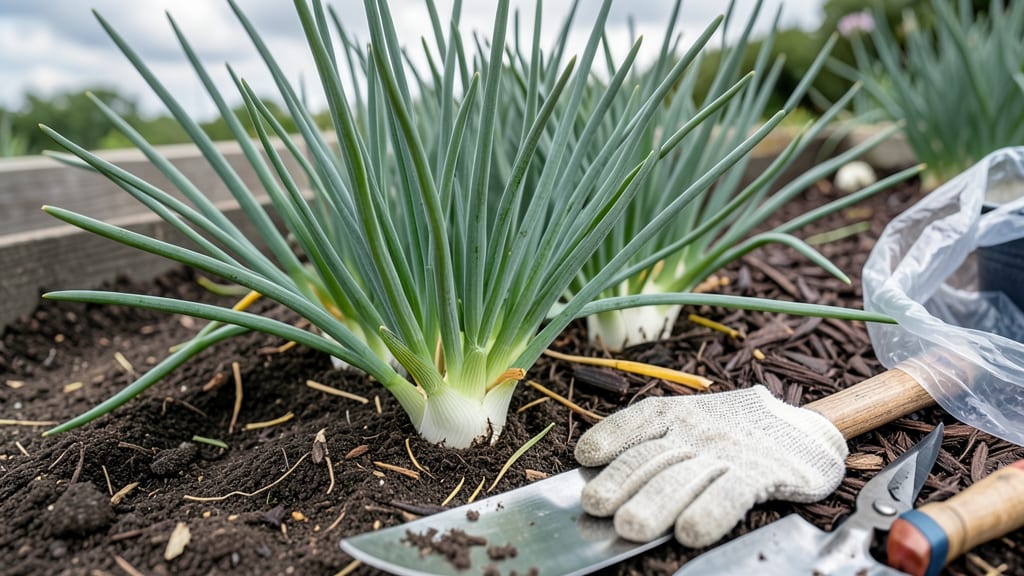
How to get rid of green onions in your yard—I’ve wrestled with these stubborn volunteers for years, and I’ve finally cracked the code—no regrowth, no herbicides, just persistence and the right technique.
The secret weapon is smothering after pulling. Dig out those deep roots (yes, they go deeper than you think), then cover the area with thick cardboard or black plastic for 4-6 weeks.
The weeds can’t break through, and the soil stays weed-free without chemicals. I’ve used this method in my vegetable beds, and the results are impressive—no more onion shoots by summer.
Regrowth is the real enemy, but this method works because it starves the roots of light. You’ll see progress within 2 weeks, and after a full season, your yard stays clean. Even stubborn clumps give up when you combine pulling with smothering—no tricks, just science.
Works for lawns, garden beds, or even cracks in the pavement. The key is patience—stick with it, and those green onions won’t stand a chance. Ready to reclaim your yard?
📚 In This Guide
- What you need
- Instructions
- Tips and common mistakes
- Wrapping up and next steps
What you need
- ● Garden gloves (1 pair) – Heavy-duty to protect your hands from sharp roots and soil.
- ● Garden fork or digging fork – A sturdy, tined fork (6–8 inches long) for prying out deep roots.
- ● Garden shovel or spade – For digging up larger patches or loosening stubborn soil.
- ● Heavy-duty trash bags (2–3) – To haul away pulled weeds and debris.
- ● Cardboard or thick black plastic sheeting (enough to cover the affected area) – For smothering regrowth (at least 3–4 feet wider than the patch).
- ● Stones, bricks, or landscape fabric – To weigh down the smothering material and keep it in place.
- ○ Vinegar (20–30% acetic acid) or commercial weed killer (optional) – For spot-treating stubborn regrowth. Note: Vinegar should be mixed with water (1:1 ratio) for safety.
- ● Hose or watering can – To wet the area before smothering or applying vinegar.
- ● Rake or hoe – For clearing loose debris and prepping the soil.
- ● Mulch (straw, wood chips, or grass clippings) – Apply after smothering to suppress future growth.
- ● Garden twine or zip ties – To secure loose plastic sheets in windy areas.
- ● Knee pads – Because crawling in the dirt is way more comfortable with these!
- ● Garden journal or marker – To label treated areas and track regrowth.
Step-by-Step instructions for eliminating green onions from your yard
Green onions are tough weeds that keep coming back, but this method works—no regrowth, no tricks.
🌱 Step 1: Identify and Pull All Visible Plants
Start by scanning your yard for green onion clumps. These weeds have long, grass-like leaves and a distinctive onion scent when crushed. Grab the base firmly where the roots meet the soil—you’ll feel the fibrous root system. Pull upward with steady pressure, not a quick yank. You want the entire root system, even the smallest pieces left behind will regrow.
Work in small sections to avoid missing any. If the soil is dry, water it lightly first—moist soil makes roots easier to extract. Check for regrowth every few days for a week after your first pull. You’ll spot new shoots as thin, bright green blades poking through the grass or soil.
🌿 Step 2: Smother the Soil to Prevent Regrowth
After removing visible plants, cover the area with thick layers of cardboard or newspaper (at least 4-6 sheets thick) to block sunlight. Secure the edges with rocks or mulch so wind doesn’t lift it. Green onions can’t survive without light, and this method starves them out in 4-6 weeks. For larger areas, use a black plastic tarp instead—it works faster but requires more weight to keep it in place.
Keep the smothering material damp by watering it lightly every few days. If you see any green onion shoots poking through, pull them immediately and re-cover the spot. The goal is to suffocate every last piece of root before new growth appears. This is the key to stopping regrowth for good.
✂️ Step 3: Repeat as Needed for Stubborn Spots
After 6 weeks, remove the smothering layer and inspect the area. You may still find small green onion shoots—this is normal. Pull these by hand, then re-cover the spot for another 4 weeks. Some yards have deep root systems that take multiple cycles to fully eliminate. Be patient; consistency is what breaks their persistence.
Once the area is clear for 30 days with no new growth, you can replace the smothering material with mulch or fresh grass seed. This prevents the weeds from returning while improving your yard’s appearance. If green onions keep appearing in the same spot, dig deeper—8-12 inches down—to remove any remaining roots.
Tips & tricks for eliminating green onions from your yard
Here’s what I learned after battling green onions in my own yard—these tricks make all the difference between temporary fixes and permanent results.
Timing is Everything: In Step 1, don’t rush the pulling process. Green onions have a deep, fibrous root system that can extend up to 12 inches down. If you leave even a small piece behind, you’ll be back to square one in no time. I’ve found that working in small sections—about 3 feet by 3 feet—helps me stay focused and thorough. Also, the best time to pull is after a light rain when the soil is moist but not soggy.
Material Matters: For Step 2, don’t skimp on the layers of cardboard or newspaper. Thin layers won’t block enough sunlight, and green onions are stubborn enough to push through if they sense even a tiny bit of light. I’ve used both methods successfully, but black plastic tarp works faster in larger areas because it traps heat and speeds up the decomposition process. Just make sure to weigh it down well—wind can easily lift it.
Consistency Wins: The 4-6 week timeline in Step 2 might seem long, but it’s crucial. Green onions are tough, and they won’t give up easily. I’ve seen people get frustrated and remove the smothering material too soon, only to have the weeds come back stronger. Stick to the schedule, and don’t forget to check for any new shoots that might pop up. A quick inspection every few days keeps the process on track.
Deep Digging for Stubborn Spots: If green onions keep coming back in the same spot after following all the steps, it’s time to dig deeper—literally. In Step 3, if you’ve tried everything else and still see regrowth, grab a garden fork and dig down 8-12 inches. You might find thick, tangled roots that need to be pulled out by hand. It’s tedious, but it’s the only way to ensure those persistent weeds don’t come back.
Pro Tips for Get Rid Of Green Onions In Your Yard
- Here’s what I learned after battling green onions in my own yard—these tricks make all the difference between temporary fixes and permanent results.
- Timing is Everything: In Step 1, don’t rush the pulling process.
- Material Matters: For Step 2, don’t skimp on the layers of cardboard or newspaper.
Frequently asked questions
Got questions about banishing green onions from your yard? Here are some of the most common ones—and their answers—to help you reclaim your space!
Why do green onions keep growing back after I pull them?
Green onions (also called scallions) have deep, fibrous roots that store energy. Even if you pull them, tiny root fragments can regrow into new shoots. For complete removal, dig deep (at least 6 inches) to break up the root system or use smothering techniques like mulch or cardboard.
How long does it take to fully eliminate green onions from my yard?
Patience is key! With consistent effort—like pulling weekly for 3–4 weeks and smothering the area—you should see significant reduction in 4–6 weeks. For stubborn patches, repeat the process for a few months. Persistence pays off!
Can I use vinegar or herbicide to kill green onions?
Yes! A 20% vinegar solution (1 part white vinegar to 1 part water) sprayed directly on the leaves can kill them within a few days. For herbicides, opt for glyphosate-free options like vinegar-based or horticultural products. Always follow label instructions to avoid harming other plants.
What’s the best alternative plant to replace green onions in my yard?
If you want to grow something else in their place, consider chives (milder flavor), garlic chives (onion-like but non-invasive), or ornamental grasses like fountain grass for a low-maintenance option. Just ensure the new plants thrive in your yard’s sunlight and soil conditions!
Will green onions come back if I just mow them down?
Mowing alone won’t eliminate them—it can actually encourage regrowth by leaving root fragments intact. For best results, pull them first, then mow the area to weaken remaining roots. Combine this with smothering or mulching for long-term success.
Pro Tip:
Mark the area where you’ve treated green onions with flags or chalk to avoid mistreating it with herbicides or fertilizers. This helps prevent accidental damage to other plants while you work on eradication!
Wrapping up and next steps
Dealing with unwanted green onions in your yard doesn’t have to be a battle—just a strategic cleanup! Whether you pull them by hand, smother them with mulch, or repeat treatments, consistency is key.
With patience and the right methods, you’ll reclaim your space and prevent those pesky regrowths for good.
Ready to take action? Start small—tackle one section at a time and watch your yard transform! 🌱 For extra peace of mind, consider replacing the area with ground cover or a low-maintenance lawn alternative to keep those onions out for good.