
Pests
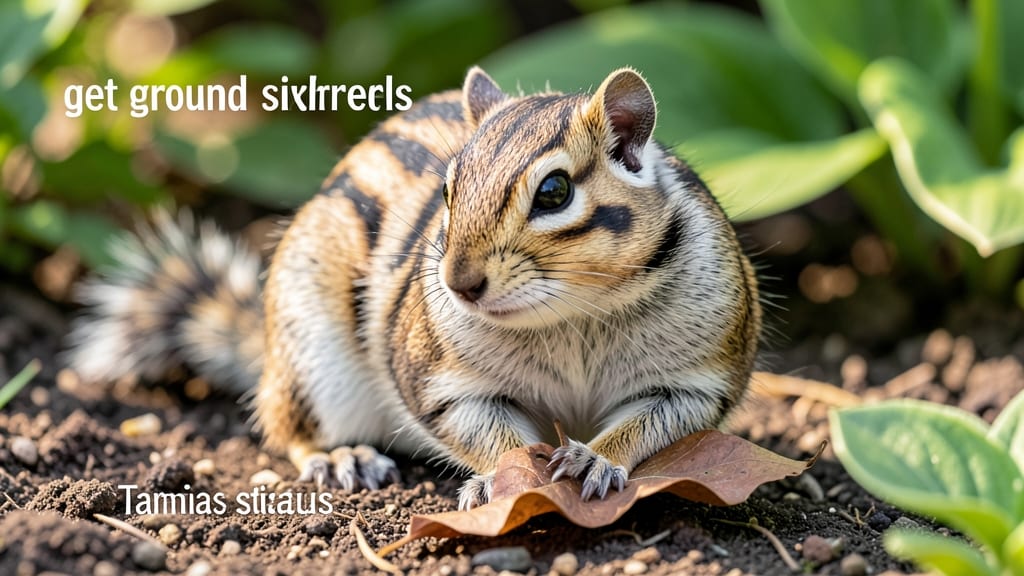
Ground squirrels tunneling through your yard leave behind unsightly mounds and chewed-up plants. 🌱 How to get them out of your yard takes patience—after my first garden season turned into a squirrel buffet, I spent years testing trap-free methods. Here’s what finally worked.
The key is making your yard less appealing than the wild meadow next door. Start by removing food sources (seeds, fallen fruit) and blocking burrow entrances with hardware cloth. Squirrels hate strong smells, so sprinkle peppermint oil or castor oil around their favorite spots—they’ll avoid it like a bad neighborhood.
Within 2-3 weeks, you’ll see fewer dig sites and more birds returning to your garden. The squirrels don’t disappear overnight, but consistent deterrents push them toward easier targets. Think of it like eviction notices for critters.
This works for vegetable gardens, lawns, and even patio areas—no traps, no harm, just smart repelling. Let’s get your yard back!
Root Causes of Squirrel Invaders
Ground squirrels don’t just randomly appear in your yard—they’re drawn by specific conditions that make your property an ideal home. Understanding these triggers is the first step to long-term prevention. Here’s why these tiny burrowers show up uninvited:
---
Ground squirrels are opportunistic foragers, and your yard might be serving up an all-you-can-eat buffet. Their survival depends on three key resources:
- Abundant Food Sources Squirrels thrive where food is plentiful, especially during breeding season (spring/summer) and winter prep.
Common yard attractants include: - Unsecured bird feeders: Spilled seeds create a smorgasbord. 🥜 - Fruit trees or berry bushes: Fallen apples, grapes, or blackberries are squirrel magnets. - Pet food left outdoors: Even small amounts of kibble or wet food can lure them in. - Vegetable gardens: Squash, corn, and beans are high-protein targets. 🥕 - Compost piles: Decaying organic matter is a protein-rich feast.
Pro Tip: 💡 Squirrels cache food—if they find one easy meal, they’ll return to stockpile for winter. A single uneaten apple core can signal your yard as a reliable food source.
- Soft, Easy-to-Dig Soil Squirrels prefer areas where they can burrow 6–12 inches deep with minimal effort.
Check your yard for: - Loose, sandy, or clay-heavy soil (common in new developments or slopes). - Open spaces near fences, patios, or garden beds (their "high-traffic" zones). - Signs of existing burrows: Look for 1–2 inch holes with fresh dirt mounds (often near sidewalks or driveways). 🏗️
Warning: 🚨 A single burrow system can house 5–10 squirrels—digging one out won’t solve the problem if others remain.
- Water Access Squirrels need hydration, especially in dry climates. They’ll dig near: - Leaky hoses or sprinkler heads. - Birdbaths or pet water bowls. - Drainage ditches or low-lying areas where water pools.
---
A wild, untamed yard is a squirrel’s dream—it provides cover, nesting sites, and undisturbed territory.
Key red flags: - Thick grass or weeds: Tall vegetation (over 6 inches) gives them hiding spots and digging cover. - Piles of debris: Leaf litter, woodpiles, or brush stacks offer nesting material and protection from predators. - Untrimmed shrubs or trees: Squirrels use branches to monitor their territory and escape threats (like cats or raptors).
Actionable Fix: ✂️ Mow regularly and remove brush piles—squirrels avoid open, well-maintained spaces.
---
In urban or suburban areas, ground squirrels face fewer threats because: - Predators like hawks, foxes, or coyotes are scarce. - Domestic pets (dogs/cats) may not hunt squirrels effectively (or are kept indoors). - Overuse of pesticides can disrupt the local ecosystem, reducing natural population control.
Fun Fact: 🦉 Hawks are the #1 squirrel predator—installing a perch post near your yard can deter them naturally!
--- Squirrels are often forced into yards by: - New construction or landscaping: Disturbing their burrows makes them relocate nearby. - Overwatering lawns: Squirrels avoid soggy soil but may dig under patios or decks for dry spots. - Sealing off old burrow sites: If you’ve filled in their dens in the past, they’ll seek alternatives—like your yard.
Key Insight: 🔍 Squirrels are territorial—if they sense another squirrel’s scent in your yard, they’ll fight to claim it.
--- Squirrel activity spikes during: - Spring (March–May): Breeding season = more squirrels + aggressive territorial behavior. - Early Fall (September–October): They stockpile food for winter, leading to increased digging. - Droughts or floods: Forces them to seek alternative food/water sources.
Pro Tip: 🌡️ Cool, rainy days make squirrels more active—they dig more to find dry spots and forage before winter.
--- Squirrels are curious and habitual. Once they discover: - A reliable food source, they’ll return daily. - An undisturbed burrow, they’ll expand their tunnel system. - A safe escape route, they’ll use it repeatedly (e.g., under decks or sheds).
Example: If you’ve ever left uneaten picnic scraps or fallen fruit on the ground, your yard is now on their regular route. 🍎🚫
Trap-Free Tactics to Evict Squirrels
Ground squirrels invade yards for food, shelter, or nesting—each reason demands a different approach. Below, we match common causes to humane, effective solutions that work without traps. Prevention tips keep them from returning!
---
If squirrels are digging for seeds, bulbs, or garden crops, they’re treating your yard like an all-you-can-eat restaurant. Starve them out with these steps:
- 🔥 Remove Food Sources - Rake up fallen seeds, nuts, and fruit from trees/lawns. - Store pet food, birdseed, and compost bins in metal containers with tight lids (squirrels chew through plastic!). - Avoid overwatering lawns—damp soil hides buried snacks.
- 🍳 Use Natural Repellents - Spices: Sprinkle cayenne pepper or garlic powder near burrows (reapply after rain). - Predator Urine: Fox or coyote urine (available at garden stores) mimics danger—sprinkle around entry points. - Essential Oils: Mix peppermint, eucalyptus, or citrus oil with water in a spray bottle.
Reapply every 2–3 days.
- 👨🍳 Modify the Landscape - Trim low-hanging branches (squirrels use them as highways). - Install hardware cloth (¼-inch mesh) over garden beds or raised planters.
✨ Pro Tip: Plant daffodils, marigolds, or alliums—squirrels dislike their scent!
---
Ground squirrels dig extensive tunnel systems for nesting. If you spot fresh mounds or holes, disrupt their real estate without harming them:
- 🔪 Fill and Flood (Humane Methods) - Water Flooding: Dig out burrows and fill them with water (they’ll relocate naturally). Repeat weekly for 2–3 weeks. - Dry Fill: Pack holes with rocks or coarse sand (avoid cement—it can trap them).
- 🏗️ Block Entry Points - Install 1-inch mesh hardware cloth over burrow openings (bury it 6+ inches deep to prevent re-digging). - For established colonies, seal larger holes with a metal plate (squirrels can’t chew through it).
- 🌡️ Heat Them Out (Seasonal Fix) - In late summer/fall, squirrels prepare for winter. Place heated pads (like those for reptiles) near burrows—excess heat drives them away.
💡 Warning: Avoid poison or glue traps—they’re inhumane and illegal in many areas.
---
Squirrels nest in dense grass, mulch, or under decks. Make your yard unwelcoming with these tricks:
- 🔪 Trim and Tidy - Mow lawns short (squirrels prefer tall grass for cover). - Remove leaf litter, brush piles, and wood stacks near your home.
- 🎯 Use Motion-Activated Deterrents - Solar-powered sprinklers (like ScareCrow) spray water when squirrels approach. - Ultrasonic repellents (e.g., Neatmaster) emit high-frequency sounds (ineffective for all squirrels but may work for some).
- 🏡 Secure Weak Spots - Seal gaps in decks, sheds, or porches with steel wool + caulk (squirrels can’t chew through it). - Install chimney caps if they’re nesting in attics.
🔥 Bonus: Reflective tape or old CDs hung near burrows can startle them into moving on.
---
Once squirrels leave, lock them out with these low-effort habits:
| Problem | Solution | Effort Level | |---------------------------|---------------------------------------|------------------| | Birdseed attracts them | Use squirrel-proof feeders | Medium | | Pet food left outside | Store food in metal containers | Easy | | Overgrown yard | Mow weekly and trim bushes | Medium | | Burrows near fence | Install hardware cloth barrier | Hard (one-time) |
🌟 Ultimate Tip: Adopt a cat or dog—their presence alone can deter squirrels (even if they don’t catch them).
--- By addressing the root cause—whether it’s food, shelter, or nesting—you’ll outsmart ground squirrels without cruelty. Consistency is key—stick with methods for 2–4 weeks to see full results!
Frequently asked questions
How long does it take to see results from repellents like peppermint oil?
You’ll typically notice a difference within 3-7 days of consistent application. Peppermint oil works by masking scent trails, so squirrels avoid treated areas. For full effectiveness, reapply every 2-3 days (or after rain) for at least 2 weeks—this gives them time to associate the smell with danger.
Are ultrasonic repellents really effective against ground squirrels?
Results vary—some homeowners see 50% reduction in activity, while others report no effect. The high-frequency sounds work best for young or naive squirrels. For established colonies, combine ultrasonics with other methods like blocking burrows or removing food sources. Test units like Neatmaster for 30 days before deciding if they’re worth the investment.
Can I use vinegar as a squirrel repellent?
Yes! Mix equal parts white vinegar and water in a spray bottle and apply to burrow entrances, garden beds, and high-traffic areas. The strong odor disrupts their scent trails and masks food smells. Reapply every 2 days (it loses effectiveness after rain). For extra potency, add 1 tablespoon of cayenne pepper per quart of solution.
What’s the best time of year to tackle squirrel removal?
Spring (March-May) and early fall (September-October) are ideal. During spring, squirrels are active but haven’t yet established winter nests. In fall, they’re focused on food caching—removing attractants now prevents winter invasions. Avoid late summer (July-August) when they’re preparing for hibernation and more defensive about their territory.
Will filling burrows with water actually work, or will they just dig elsewhere?
It works if done systematically! Flooding burrows forces squirrels to relocate, but they may return if other entrances remain open. To maximize success: 1) Flood all visible holes simultaneously, 2) Repeat weekly for 3 weeks, and 3) Install hardware cloth over the area afterward. This creates a double deterrent—they can’t dig back in, and the scent of wet earth signals danger.