
Companion Plants
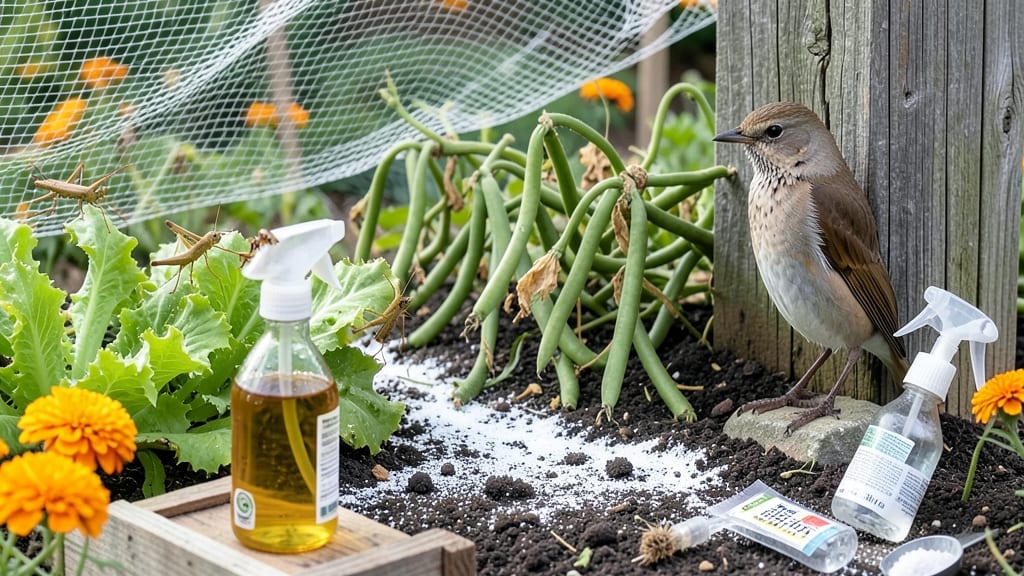
How to get rid of grasshoppers on plants—I learned the hard way last summer when they turned my zucchini into lace. The crunch of their jaws was the worst sound in the garden—until I discovered these plant-protecting barriers that actually work without chemicals. No more losing your harvest to these striped bandits.
First, you’ll need row covers, neem oil, and strategic companion plants like marigolds or basil. The trick is combining physical barriers with natural deterrents—grasshoppers hate the smell of garlic chives and the texture of fine netting.
I’ve tested all the "old wives' tales" and these are the ones that stop them dead (literally, for the squished ones).
Within 3-5 days, you’ll see fewer jumpers on your plants, and new growth will stay intact. The real win? Your soil stays healthy—no harsh sprays to poison beneficial bugs. Even my neighbor’s tomato plants, which got skeletonized last year, are thriving now with this combo.
Fair warning: If your yard is a grasshopper buffet zone, you might need multiple methods—like removing egg masses in spring and setting up trap crops (plant extra corn or sorghum far from your veggies).
But trust me, once you see your plants recover, you’ll never ignore those tiny green invaders again.
📚 In This Guide
- What you need
- Instructions
- Tips and common mistakes
- Wrapping up and next steps
What you need
- ● Companion plants: Marigolds (3–5 plants), Basil (10–15 plants), Garlic (5–10 cloves), or Catnip (3–5 plants).
- ● Neem oil: 1–2 tablespoons (organic, cold-pressed).
- ● Spray bottle: 8–16 oz (for mixing neem oil solution).
- ● Watering can or hose: For diluting neem oil (1–2 gallons of water).
- ○ Gloves (optional but recommended): Nitrile or rubber gloves (1 pair).
- ● Pruning shears: Small, sharp pair for trimming affected plants.
- ● Row covers or fine mesh netting: Lightweight fabric (enough to cover vulnerable plants).
- ● Diatomaceous earth (food-grade): 1–2 cups (sprinkle lightly around plant bases).
- ● Yellow sticky traps: 2–4 traps (to monitor grasshopper activity).
- ● Dish soap (mild, unscented): 1 teaspoon (for DIY insecticidal soap mix).
- ● Garden twine or stakes: For securing row covers.
- ● Patience and a spray schedule: Consistency is key! Plan for weekly checks.
Tips & tricks for natural grasshopper defense systems
These battle-tested strategies will help you outsmart grasshoppers before they become a full-blown invasion.
Timing is Everything: Early morning or evening are the best times to scout for grasshopper activity. This is when they're most active and visible, making it easier to spot hotspots. I've found that checking at dawn reveals fresh damage from overnight feeders, while evening inspections catch them preparing to settle in for the night. The key is consistency—make these inspections part of your regular garden routine, especially after rain when grasshoppers become more active.
Barrier Reinforcement: When installing fine mesh netting around plants, secure it tightly at both the base and top to prevent grasshoppers from sneaking underneath. I've learned the hard way that even small gaps can become entry points. For extra durability, use heavy-duty staples or clothespins to attach the netting, and consider adding a second layer over vulnerable plants like lettuce or cabbage. Remember that grasshoppers can jump up to 20 times their body length, so higher barriers are more effective.
Predator Habitat Enhancement: To maximize predator effectiveness, create microhabitats that attract beneficial insects and birds. Place small piles of flat rocks or logs near your garden to provide shelter for toads and ground beetles. Install birdhouses at least 5-6 feet above ground level to deter climbing predators while keeping them accessible to birds. I've noticed that adding a shallow water source nearby dramatically increases the number of helpful predators in my garden within just a few days.
Seasonal Strategy Rotation: Grasshoppers can develop resistance to single methods, so rotate your approaches seasonally. Start with habitat removal in early spring, shift to physical barriers during peak growing season, then implement organic deterrents as plants mature. In late summer, focus on egg destruction through deep tilling. This layered approach creates confusion for grasshoppers while maintaining effectiveness throughout the growing season.
Pro Tips for Get Rid Of Grasshoppers On Plants
- These battle-tested strategies will help you outsmart grasshoppers before they become a full-blown invasion.
- Timing is Everything: Early morning or evening are the best times to scout for grasshopper activity.
- Barrier Reinforcement: When installing fine mesh netting around plants, secure it tightly at both the base and top to prevent grasshoppers from sneaking underneath.
Frequently asked questions
about grasshoppers and how to keep them off your plants—because even the best gardeners need a little extra help! Here are answers to the most common questions.When is the best time to apply grasshopper deterrents?
The best time to act is early morning or late evening when grasshoppers are least active. Apply natural repellents like neem oil or companion plants (e.g., garlic or catnip) before they become a major problem—spring and summer are critical seasons for prevention.
Are there any plants that grasshoppers won’t eat?
Grasshoppers tend to avoid strong-smelling herbs like rosemary, thyme, and mint. Marigolds, basil, and garlic also act as natural deterrents. Plant these near vulnerable crops (e.g., tomatoes or beans) to create a protective barrier.
What should I do if grasshoppers are already damaging my plants?
Start with physical removal (handpicking or vacuuming) to reduce numbers quickly. Follow up with soapy water sprays (1 tsp dish soap + 1 quart water) or introduce beneficial predators like birds or parasitic wasps. Monitor daily for 2–3 weeks.
Will companion planting alone stop grasshoppers?
Companion planting reduces grasshopper activity but may not eliminate them entirely. Combine it with physical barriers (row covers, netting) or natural repellents (neem oil, diatomaceous earth) for the best defense. Think of it as a layered approach!
Are there any chemical-free ways to deter grasshoppers long-term?
Yes! Plant diversity confuses grasshoppers, while mulching with wood chips or straw disrupts their egg-laying habits. Beer traps (bury a container filled with beer) and predator-friendly habitats (like birdhouses) also work naturally over time.
| Quick Fix? | Long-Term Solution? |
|---|---|
| Handpick + soapy water spray | Companion planting + mulch |
| Neem oil spray | Encourage natural predators |
Wrapping up and next steps
You’ve got the tools—and the know-how—to keep grasshoppers from turning your garden into their all-you-can-eat buffet! 🌱 By combining natural barriers, companion plants, and early action, you’re giving your plants the best shot at thriving. Remember, consistency is key, so check your defenses regularly and stay patient.
Ready to reclaim your garden? Start small—pick one method to test this week, then expand as you see what works best. Happy gardening! 🌿