
Pests
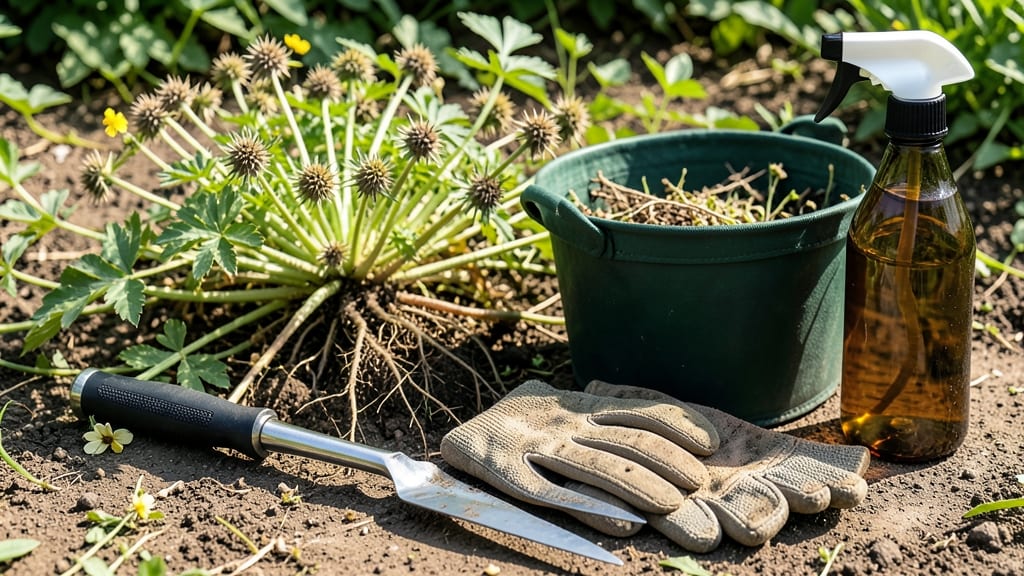
How to get rid of goathead weeds—those spiky, stubborn invaders that seem impossible to remove—is the gardener’s biggest battle. 🌱 I’ve wrestled with them for years, and the boiling water and vinegar combo finally gave me the upper hand. It’s not just about yanking them out; it’s about starving their deep roots and preventing regrowth.
Here’s the game-changer: boiling water kills the plant instantly, while vinegar (the right kind) breaks down the cell walls of the roots over time. You’ll need a kettle, white vinegar, dish soap, and a sunny day—no fancy tools, just elbow grease.
The process takes about 20 minutes but saves hours of frustration later.
By the end, your garden will look cleaner than ever, with no more painful thorns in your bare feet. The best part? This method works on driveways, sidewalks, and garden beds without harming nearby plants if applied carefully.
No more digging or pulling—just heat and acid doing the dirty work.
Fair warning: goatheads are persistent, so repeat treatments may be needed. But once you see those spiky heads turn brown and crumble, you’ll never reach for a weed killer again. Let’s get those invaders out for good!
Root Causes Of Goathead Spread
Goathead weeds—those pesky, spiky invaders with their distinctive star-shaped seed pods—don’t just appear out of nowhere. Their persistence is the result of a mix of environmental conditions, human activity, and their own clever survival strategies.
Understanding why they thrive in your yard is the first step to stopping them in their tracks. Let’s break down the science behind their dominance.
Goathead weeds (Tribulus terrestris) are native to warm climates, particularly in regions like the Mediterranean, Africa, and the southwestern U.S. Their ability to spread aggressively stems from evolutionary traits designed for resilience:
- Deep, extensive root systems: A single plant can send roots up to 10 feet deep, making them difficult to uproot completely. Even a tiny root fragment left in the soil can regenerate into a new plant.
- Rapid seed germination: Seeds can sprout within days of landing in moist soil, giving them a competitive edge over slower-growing grasses or flowers.
- Drought tolerance: Goatheads thrive in dry, sandy, or poor-quality soil where other plants struggle. Their waxy coating reduces water loss, allowing them to survive heat and neglect.
- Seed dispersal by animals: The spiky seed pods latch onto fur, clothing, or tires, hitchhiking to new locations. Once detached, they germinate quickly in disturbed soil.
💡 Pro Tip: If your yard has disturbed soil (from construction, foot traffic, or gardening), goatheads see it as an all-you-can-eat buffet. They exploit bare patches where competitors can’t take hold.
Goathead weeds are opportunistic—they don’t need rich soil to flourish. Instead, they exploit specific conditions that most gardeners might overlook:
| Factor | Why It Helps Goatheads |
|---|---|
| Full sun exposure | They require at least 6–8 hours of direct sunlight daily. Shady areas slow their growth, but they’ll still pop up in partial shade if other conditions are right. |
| Poor or compacted soil | Unlike lawn grasses, goatheads don’t need fertile soil. In fact, they prefer thin, sandy, or clay-heavy soil where nutrients are scarce. |
| Low moisture levels | While they need some water to germinate, established plants survive droughts. Overwatering can actually wash away their seeds, spreading them further. |
| High temperatures | They thrive in heat (ideal range: 70–95°F). Freezes can kill them, but a single surviving seed pod means they’ll bounce back the next season. |
✨ Key Insight: If your yard has bare spots, sandy soil, or full sun, you’re creating the perfect goathead hotel. They’ll outcompete desirable plants before you even notice.
Goathead weeds aren’t just a natural nuisance—they’re hitchhikers enabled by human behavior. Here’s how we accidentally help them:
- Lawn mowing and trimming: Mowers spread seeds by flinging them across the yard. Even a single seed pod can produce hundreds of seeds.
- Tilling or digging: Disturbing the soil aerates it, giving seeds the perfect opportunity to germinate. A single tilling session can unleash a goathead explosion.
- Poor composting practices: If you compost yard waste (including grass clippings with hidden seeds), you’re risking spreading goatheads to garden beds.
- Vehicle and foot traffic: Seeds cling to shoes, tires, and tools, then drop into cracks or new planting areas. A single walk through an infested field can introduce them to your lawn.
- Ignoring early signs: Many gardeners mistake goathead seedlings for harmless weeds. By the time the spiky pods appear, it’s too late—the seeds have already dispersed.
🔥 Warning: If you’ve recently moved to a new home or traveled through rural/semi-arid areas, your yard may already be seed-bombed without you knowing it.
In their native habitats, goathead weeds face some natural checks—like insects or herbivores that keep them in balance. But in the U.S., they’ve escaped most of these controls:
- Few local insects feed on them: Unlike clover or dandelions, goatheads don’t have a strong insect army to suppress their growth.
- Animals avoid the spikes: Deer, rabbits, and livestock typically steer clear of the painful seed pods, leaving them unchecked.
- No competitive native plants: In ecosystems where goatheads invade, native grasses or wildflowers are often too slow to outcompete them.
🌡️ Result: Without natural enemies, goatheads reproduce unfettered, turning a few stray plants into a full-blown invasion within a season.
How to Fix It Naturally
Goathead weeds are tough, but with the right approach, you can reclaim your yard or garden without harsh chemicals. Below, we’ve mapped out practical, step-by-step solutions tailored to the root causes of these pesky invaders—plus prevention tips to keep them from creeping back.
---
If your goatheads are still young (smaller than a golf ball), physical removal is the fastest and safest method. Just be prepared to work a little!
✅ When to use: Early infestations, small patches, or areas with shallow soil. ⚠️ Warning: Wear thick gloves—those spiky seed pods can puncture skin!
Steps: 1. 👨🍳 Wait for the right time: Pull weeds after rain or watering when soil is soft (early morning or evening works best). 2. 🔪 Grab the right tools: Use a weeding fork, trowel, or sturdy garden gloves to protect your hands. 3. 🌱 Pull from the base: Grasp the weed as close to the ground as possible and wiggle it free. If the root breaks, the plant will regrow! 4. 🗑️ Dispose properly: Don’t compost! Bag the weeds (sealed tightly) and throw them in the trash—those seeds can survive for years.
💡 Pro Tip: For stubborn roots, soak the area with vinegar (see below) before pulling to weaken the plant.
---
Boiling water is a chemical-free, eco-friendly way to kill goatheads on contact. It works best on hard surfaces (driveways, sidewalks) or dense weed clusters where digging isn’t practical.
✅ When to use: Cracks in pavement, dense weed patches, or areas where herbicides aren’t ideal. ⚠️ Warning: Be careful—boiling water can damage nearby plants or burn skin!
Steps: 1. 🔥 Heat water to boiling: Use a large pot, kettle, or even a pressure washer with hot water (if available). 2. 💦 Pour directly on weeds: Aim for the entire plant, including roots. 1–2 cups per weed should do the trick. 3. 🌡️ Repeat if needed: For tougher weeds, reapply after 2–3 days to ensure full destruction. 4. 🌱 Rake up debris: After the weeds turn brown and mushy, remove the remains to prevent regrowth.
💡 Pro Tip: Add 1 cup of vinegar or salt to the boiling water for extra potency (but avoid using this on grass—it can harm it too!).
---
White vinegar is acetic acid, a natural herbicide that burns weeds on contact. When combined with dish soap and salt, it becomes even more effective.
✅ When to use: Lawns, garden beds, or areas where you want to avoid synthetic chemicals. ⚠️ Warning: Vinegar can also kill grass and nearby plants—spot-treat carefully!
Recipe: - 1 gallon white vinegar (5% or higher acetic acid) - 1 cup salt - 1 tbsp dish soap (for adhesion)
Steps: 1. 🍶 Mix the solution: Combine ingredients in a spray bottle or pump sprayer. 2. ☀️ Spray on a sunny day: Apply directly to goathead leaves (avoid windy days to prevent drift). 3. 🌱 Wait 24–48 hours: The weeds will wilt and die within a few days. Pull or rake up the dead plants. 4. 🔄 Reapply if needed: For large infestations, repeat every 3–5 days until gone.
💡 Pro Tip: For extra strength, use higher-concentration vinegar (20–30% acetic acid), available at farm stores.
---
If goatheads keep coming back, they’ve likely deep, tough roots. A deep-digging approach ensures they don’t regrow.
✅ When to use: Recurring weeds, clay-heavy soil, or areas where shallow pulling failed. 🛠️ Tools needed: Digger, mattock, or garden fork
Steps: 1. 🕳️ Loosen the soil: Use a garden fork to pry up the weed and its roots. 2. 🔍 Check for root fragments: Even a small piece can regrow—remove every bit. 3. 🌱 Fill the hole: Replace soil and pack it down to prevent new weeds from taking root. 4. 💧 Water lightly: Helps settle the soil and encourages grass/desired plants to fill the space.
💡 Pro Tip: After digging, cover the area with mulch or cardboard to suppress future weeds.
---
Once you’ve banished goatheads, keep them from returning with these long-term strategies:
| Problem | Solution | When to Do It | |---------------------------|-----------------------------------------------------------------------------|----------------------------------| | Weak grass/soil | Overseed with dense grass (like Bermuda or Zoysia) or plant ground covers. | Spring or fall | | Bare spots | Apply mulch (2–3 inches) to block sunlight and prevent seeds from sprouting. | After removal, yearly | | Compacted soil | Aerate soil annually to improve root growth and reduce weed space. | Early summer or fall | | Seed spread | Collect and dispose of seed pods before they release (wear gloves!). | Year-round, especially dry months | | Drainage issues | Improve water runoff—goatheads love soggy areas. | After heavy rain or seasonally |
🎯 Ultimate Prevention Hack: - Solarize your soil in late summer: Cover weed-infested areas with clear plastic for 4–6 weeks to bake weeds out naturally. Works best in hot, sunny climates.
--- ✨ Final Reminder: Consistency is key! Check your yard weekly for new sprouts, especially in spring and fall (goathead’s peak growing seasons). With these methods, you’ll eliminate goatheads for good—no more painful steps or ruined lawns!
Frequently asked questions
Can I use regular vinegar or do I need something stronger?
White vinegar (5% acetic acid) works, but for tough goatheads, use 20-30% vinegar (available at farm stores). The higher concentration kills weeds faster. For extra strength, add 1 cup salt and 1 tbsp dish soap to help break down roots. Just spot-treat carefully to avoid damaging nearby plants!
Will boiling water work on my lawn without harming the grass?
No—boiling water is best for driveways, sidewalks, or dense weed patches. On lawns, it can scorch grass. For lawns, use the vinegar solution instead, but apply it only to goatheads and avoid windy days to prevent drift. Always test a small area first!
How do I know if I’ve removed all the roots?
Check for tiny root fragments—even a 1-inch piece can regrow! After pulling, soak the area with vinegar or boiling water to kill hidden roots. For stubborn cases, dig deeper with a garden fork to ensure no pieces remain. If you see new sprouts, repeat the treatment!
Can goatheads come back after I’ve treated them?
Yes—they’re persistent! Seeds can lay dormant for years, so check your yard weekly during spring and fall (their peak seasons). After removal, cover bare soil with mulch or cardboard to block sunlight and prevent new seeds from sprouting.
Are there any animals that eat goatheads?
Most animals avoid them due to the spiky seed pods, but goats and some insects may nibble on young plants. However, they’re not a reliable natural control. For best results, combine manual removal with vinegar or boiling water for guaranteed eradication!