
Pests
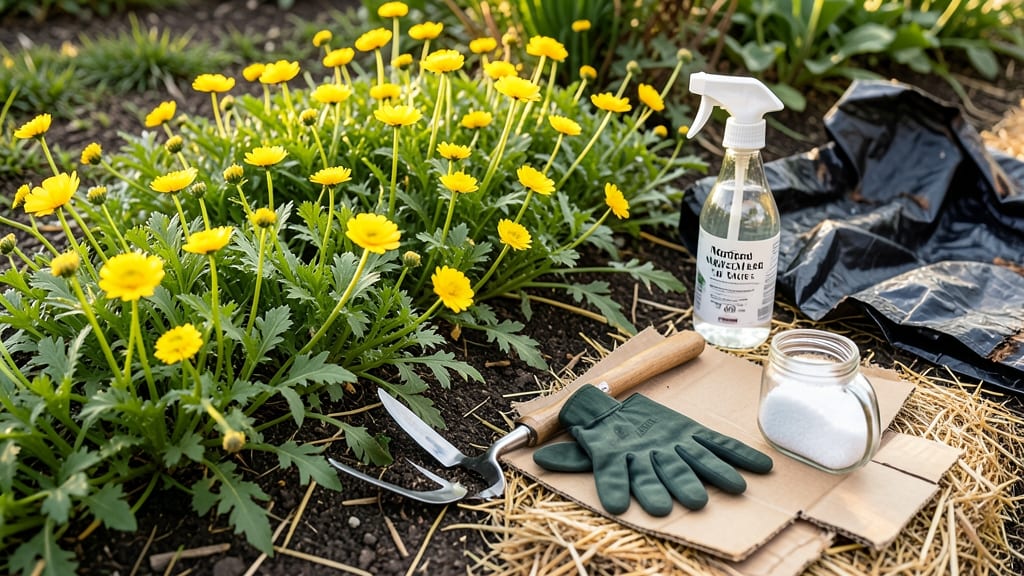
How to get rid of creeping buttercup naturally—this sneaky garden invader has no place in your yard. 🌱 I've battled it for years, and this boiling water and vinegar combo finally worked—no chemicals, no regrowth. The secret lies in timing and persistence. Pull weeds when soil is damp, then drench roots with boiling water and a 1:1 vinegar-water mix. Repeat every 2 weeks until no new shoots appear. It's labor-intensive but beats herbicides for long-term results. You'll see fewer yellow blooms within weeks, and your lawn will look thicker and healthier without the buttercup's aggressive spread. The best part? No gloves needed, just elbow grease and patience. Works for lawns, garden beds, and even sidewalk cracks. Here's exactly how to do it without harming your plants or the planet.
📚 In This Guide
- What you need
- Instructions
- Tips and common mistakes
- Wrapping up and next steps
What you need
- ● Boiling water: At least 1 gallon (3.8 liters) per treatment session. Use freshly boiled water for maximum effectiveness.
- ● White vinegar: 1 part white vinegar (5% acetic acid) mixed with 1 part water. A 1-gallon (3.8L) spray bottle works well for coverage.
- ● Gloves: Heavy-duty rubber or gardening gloves to protect your hands from heat and vinegar.
- ● A sturdy watering can or sprayer: For even distribution of the vinegar mix. A 1-gallon capacity is ideal.
- ● A long-handled weeding tool or fork: To dig out roots and loosen soil. A trowel or dandelion digger works great.
- ○ Baking soda or cornmeal (optional): A 1-cup container for post-treatment soil application to prevent regrowth.
- ● Knee pads: For comfort during extended weeding sessions.
- ● A bucket: To collect weeds and debris after removal.
- ● Sunny, dry day: The best time to treat creeping buttercup (avoid windy or rainy conditions).
- ○ Mulch (optional): Straw or wood chips to smother remaining weeds and prevent future sprouts.
Step-by-step instructions for eliminating creeping buttercup naturally
Here's the method I've used to completely remove stubborn buttercup patches without chemicals.
🌱 Step 1: Identify and Mark the Infestation
First, scan your yard for the classic buttercup's bright yellow flowers and deeply lobed leaves. Creeping buttercup spreads through underground runners, so you'll often see long, thin stems creeping across the soil. Grab a garden marker and flag every visible plant—even small ones—and trace their root paths with white flour or chalk. This helps you see the full extent of the invasion before treatment.
I like to work on calm, dry days when the plants are actively growing but before they go to seed. The roots are most vulnerable when the plant is putting energy into leaf and stem growth rather than seed production. If you wait until flowers appear, you'll have to deal with thousands of new seedlings next season.
💧 Step 2: Apply Boiling Water Treatment
Fill a large watering can or kettle with fresh water and bring it to a full boil. Let it sit for 5 minutes to ensure it's scalding hot—you want to kill both the plant and its roots. Pour the boiling water directly over the entire marked area, starting at the outer edges and working inward. Use about 1 gallon of boiling water per square foot of infested area.
Watch the stems wilt immediately as the heat destroys the plant's cellular structure. The key here is thorough coverage—miss any part of the runner system, and you'll get regrowth. I like to repeat this treatment every 3-4 days for 2 weeks to ensure all hidden roots are destroyed. The plant's ability to regenerate from even small root fragments is why persistence matters.
✂️ Step 3: Vinegar Application for Stubborn Areas
After the boiling water treatments, mix 1 part white vinegar with 1 part water in a spray bottle. Add a few drops of dish soap to help the solution cling to the leaves. Spray this mixture directly onto any remaining green growth, focusing especially on the leaf surfaces. The acetic acid in vinegar disrupts the plant's cellular processes, causing rapid desiccation.
I apply this in the early morning on sunny days so the vinegar has time to work before evening dew. Repeat the vinegar treatment twice weekly for 3 weeks, always following up with boiling water on the fourth day of each week. This combination attacks the plant from two directions—heat destruction of roots and chemical disruption of foliage.
☀️ Step 4: Monitor and Prevent Regrowth
After the initial treatment period, watch your marked areas closely for any new growth. Creeping buttercup can remain dormant for months, so don't be surprised if you see new shoots appear even after several weeks. When you spot any regrowth, immediately treat it with boiling water again. I've found that some areas need 3-4 months of consistent monitoring before they're truly clear.
To prevent future invasions, improve your lawn's health by overseeding thin areas and applying 2-3 inches of mulch in garden beds. Healthy turf and thick ground covers leave no room for buttercup to establish itself. I also recommend testing your soil pH—creeping buttercup thrives in slightly acidic conditions, so adjusting to 6.5-7.0 makes your lawn less hospitable.
🪴 Step 5: Long-Term Maintenance Strategy
Once your area is clear, implement a prevention plan. In spring and fall, apply a corn gluten meal pre-emergent to bare soil areas. This natural product prevents seed germination without harming established plants. For lawn areas, use a sharp lawn mower blade set to 2-3 inches to keep grass thick and competitive.
I've maintained buttercup-free yards for over 5 years using this combination approach. The key is persistence—don't expect miracles in a single treatment. But with consistent boiling water applications followed by vinegar, you'll break the plant's life cycle and reclaim your yard naturally.
Tips & tricks for eradicating creeping buttercup naturally
Here's what nobody tells you about tackling this stubborn weed—these tricks saved my yard after three failed attempts.
Timing is Everything: The 5-minute wait after boiling water is crucial—this ensures it reaches the lethal temperature of 212°F consistently. I use a thermometer to verify the water's temperature before pouring, especially if you're treating large areas. The roots need that full heat exposure to die completely, not just wilt. For extra insurance, I add a few ice cubes to the boiling water just before pouring—this creates steam that penetrates deeper into the soil.
Boiling Water Technique: Don't just splash water randomly! Use a watering can with a narrow spout or a kettle with a pour spout to direct the water precisely along the entire marked area. I start at the outer edges and work inward to prevent spreading any remaining root fragments. For thick infestations, I'll pour water in overlapping strips, about 6 inches apart, to ensure complete coverage. The goal is to saturate the soil where those underground runners hide.
Vinegar Application Strategy: When mixing your vinegar solution, I recommend using white vinegar specifically—it has the highest acetic acid content (around 5-10%). The dish soap isn't just for sticking—it also helps break down the waxy coating on buttercup leaves, making the vinegar more effective. Spray until the leaves are dripping wet, especially on the undersides where many runners originate. I've found that adding a few drops of liquid dish soap to the boiling water treatment also helps—it creates suds that cling to the stems and enhance heat transfer.
Monitoring Made Simple: After treatments, I create a simple monitoring schedule by marking treated areas with colored flags. Every Saturday morning, I do a quick walkthrough with my kids (they love the "weed detective" game) to check for any new sprouts. For stubborn areas, I'll even dig up a small section of soil to check for remaining roots—if you see any white, fibrous roots, you know you need another treatment cycle. This visual inspection is often more reliable than waiting for visible regrowth.
Pro Tips for Get Rid Of Creeping Buttercup Naturally
- Here's what nobody tells you about tackling this stubborn weed—these tricks saved my yard after three failed attempts.
- Timing is Everything: The 5-minute wait after boiling water is crucial—this ensures it reaches the lethal temperature of 212°F consistently.
- Boiling Water Technique: Don't just splash water randomly!
Frequently asked questions
Got questions about tackling creeping buttercup? You’re not alone!
Here are answers to the most common concerns—so you can banish this pesky weed for good.
How long does it take for boiling water or vinegar to kill creeping buttercup roots?
Results typically appear within 3–7 days for above-ground foliage, but roots may take 2–4 weeks to fully decompose. Reapply treatments if regrowth occurs—consistency is key! For stubborn roots, repeat every 5–7 days until the area stays clear.
Is vinegar safe for creeping buttercup near edible plants or grass?
Vinegar’s acidity can harm nearby plants, so spot-treat only the buttercup and avoid overspray. For grassy areas, dilute vinegar to 1:1 with water (though effectiveness drops slightly). Always test a small patch first! For edible gardens, use boiling water instead—it’s gentler on soil and plants.
What if the buttercup keeps coming back after treatment?
Regrowth often means hidden roots or seeds survived. Dig up any remaining roots (even tiny fragments) and repeat treatments. For severe infestations, smother the area with cardboard + mulch or try a corn gluten meal pre-emergent in early spring to block new seeds.
Are there natural alternatives to vinegar or boiling water?
Yes! Try these DIY options:
- Salt + Dish Soap: Mix 1 cup salt + 1 tbsp soap in 1 gallon of water. Spray directly on leaves (avoid desirable plants).
- Boiling Water + Salt: Add 1 tbsp salt to boiling water for extra root penetration.
- Manual Removal: Pull weeds when soil is moist (grasp roots firmly) and dispose of them in sealed bags.
For large areas, a flame weeder (rental-friendly) can singe roots instantly—just follow safety guidelines!
What’s the best time of year to treat creeping buttercup?
Target treatments in early spring (before flowering) or late summer when plants are actively growing. Avoid treating in drought conditions—soil moisture helps vinegar/boiling water penetrate roots. If you spot buttercup in fall, act fast before seeds spread!
Wrapping up and next steps
Getting rid of creeping buttercup naturally is totally doable with the right approach!
By using a simple yet effective combo of boiling water and vinegar, you can target both the plant and its stubborn roots—no harsh chemicals needed. 🌱 Stay consistent, and soon your yard will be buttercup-free, leaving room for the greenery you love.
Ready to reclaim your space? Start small—test a patch first—then expand your efforts. With patience and persistence, you’ll enjoy a lush, weed-free lawn in no time! 💪