
Pests
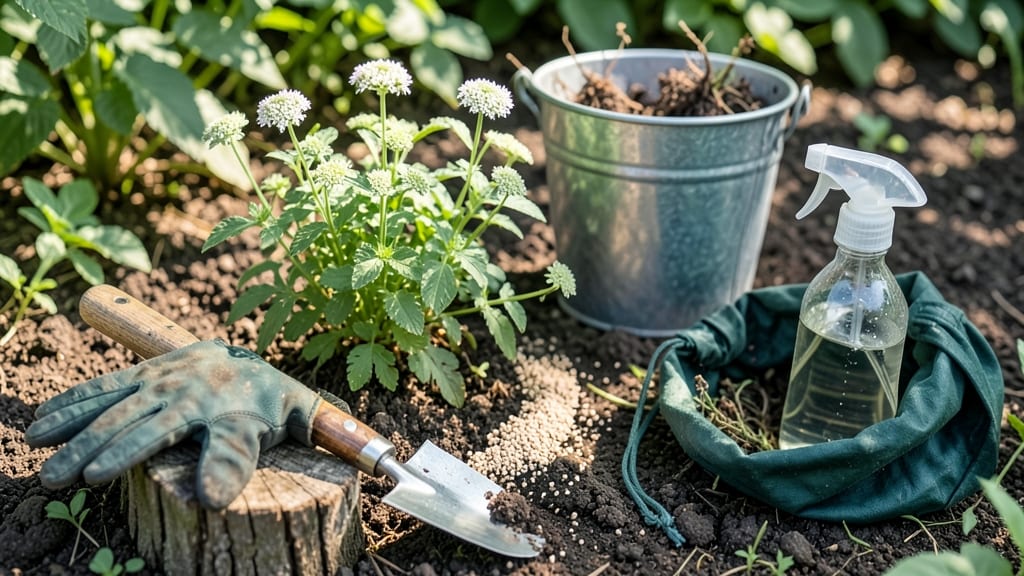
How to get rid of Florida betony—that stubborn weed is no match for the right strategy. I’ve battled this invasive ground cover for years, and the boiling water method finally gave me the upper hand—no regrowth, no excuses. The key? Targeting the roots while the plant’s still active, before it spreads deeper into your yard.
You’ll need a kettle (or a pot of boiling water), a long-handled tool like a hoe, and a sunny day when the soil’s warm. The process sounds brutal—because it is—but it works.
Pour boiling water directly onto the leaves and stems, then dig out any remaining roots. This isn’t just pulling weeds; it’s a full-on assault on the plant’s survival system.
Within days, the betony wilts and dies, and the roots rot away. No herbicides, no waiting for it to come back. The satisfaction of watching it disappear is worth the effort—especially when you see your lawn or garden reclaim that space.
Just be ready to repeat the process if you spot any stragglers.
This method works best in early spring or fall, when the plant’s energy is focused on growth, not survival. For large infestations, tackle it in sections to avoid exhaustion. And if you’ve got pets or kids, wait until the area cools down before letting them back in—safety first.
📚 In This Guide
- What you need
- Instructions
- Tips and common mistakes
- Wrapping up and next steps
What you need
- ● Boiling water: At least 2-3 gallons (enough to cover the base of the plant and surrounding soil). Use freshly boiled water for maximum effectiveness.
- ● Heavy-duty gloves: Waterproof, heat-resistant (e.g., rubber or insulated gardening gloves) to protect your hands from burns and sap.
- ● Long-sleeve clothing: Non-synthetic, thick fabric (like cotton or canvas) to shield your arms and legs from splashes.
- ● Garden trowel or shovel: Sturdy, with a sharp edge for digging out any remaining roots or stubborn patches.
- ● Plastic sheeting or tarp: 6-8 feet square to cover the area after treatment (helps smother regrowth and protects surrounding plants).
- ● Rake or hoe: For clearing debris and loosening soil before and after treatment.
- ● Trash bags (heavy-duty): 2-3 bags for disposing of uprooted plants and debris.
- ○ Vinegar (optional but helpful): White vinegar (5% acetic acid)—mix 1 part vinegar to 1 part water for a post-treatment spray to kill lingering roots.
- ● Glyphosate herbicide: For large infestations—apply 2-3 days before boiling water treatment to weaken the plant further. ⚠️ Follow label instructions carefully!
- ● Salt: Coarse or rock salt—sprinkle a thin layer over the treated area to inhibit regrowth (use sparingly to avoid harming nearby plants).
- ● Garden hose with nozzle: For rinsing tools and rinsing your skin if sap gets on you.
- ● Safety goggles: To protect your eyes from splashes or debris.
- ● Hand sanitizer or soap: For cleaning hands after handling the plant (some may cause skin irritation).
Step-by-Step instructions for eliminating Florida betony
This method works fast and targets the roots—no harsh chemicals needed.
🌱 Step 1: Identify and Mark the Infestation
Walk your yard and mark every Florida betony plant with a small flag or stick. These weeds spread aggressively, so you’ll want to treat each one individually. Look for the distinctive square stems and purple flowers—this is your visual guide. I like to work in small sections (about 5 feet by 5 feet) to avoid missing any plants.
Pull back any mulch or debris to expose the base of the plants. Florida betony thrives in shaded, moist areas, so you’ll often find it near trees, shrubs, or along fences. If you see a single plant, check nearby—these weeds spread through underground runners, so there’s likely more than meets the eye.
💧 Step 2: Boil Water for Targeted Treatment
Fill a large pot or kettle with 4-5 gallons of water and bring it to a full rolling boil. Boiling water kills the plant tissue instantly and sears the roots, preventing regrowth. I use a heavy-duty pot with a long spout to make pouring easier—this is where precision matters.
Once boiling, carefully pour the water directly over the base of each Florida betony plant, focusing on the stem and root zone. The water should soak into the soil around the plant, not just splash onto the leaves. You’ll see the stems wilt immediately—that’s your signal the treatment is working. Repeat this process for every marked plant in your section.
✂️ Step 3: Dig Out and Inspect for Remaining Roots
After treating with boiling water, use a garden fork or trowel to dig around the base of each plant. Florida betony has deep, fibrous roots that can regrow if left behind. Work the soil gently but thoroughly, aiming to expose roots that might still be alive. You’ll know you’ve got them all when you pull up clean soil with no visible root fragments.
Discard the dug-up plants and roots in a sealed trash bag—never compost them, as they can sprout anew. I like to double-bag them to be extra cautious. If you find any stubborn root pieces still attached, treat those spots with another round of boiling water to ensure they’re fully eradicated.
☀️ Step 4: Monitor and Retreat if Necessary
Check the treated areas every 3-5 days for new growth. Florida betony can be persistent, so don’t be surprised if you spot a few stragglers. If you see any new shoots, repeat the boiling water treatment immediately. This is where consistency pays off—skipping this step can mean weeks of extra work later.
Once the area is clear, apply a layer of 2-3 inches of mulch to suppress any remaining roots and prevent new plants from taking hold. I prefer wood chips or straw mulch because they break down over time and improve the soil. Keep an eye on the area for the next 4-6 weeks—if no new growth appears, you’ve successfully eliminated the infestation.
Tips & tricks for eliminating Florida betony effectively
Here's what I've learned after battling this stubborn weed in my own yard—these tricks make all the difference.
Precision in Step 1: When marking your 5-foot sections, use a garden hose to outline the area first. This creates a clear boundary and helps you visualize exactly where to focus. I've found that Florida betony often spreads beyond what's immediately visible, so err on the side of slightly larger sections rather than missing hidden plants.
Equipment Upgrade: A long-handled watering can with a narrow spout works perfectly for Step 2 if you don't have a heavy-duty pot. Fill it with boiling water and pour directly at the base—this gives you more control than a large pot and lets you treat plants in tight spaces. Just be careful with the hot water to avoid burns.
Root Inspection Tip: In Step 3, after digging, run your fingers through the soil where the roots were. Any fibrous strands you feel are likely remaining root pieces. I've discovered that even small fragments can regrow, so take the extra 30 seconds to be thorough—it saves hours of work later.
Monitoring Strategy: For Step 4's 3-5 day checks, I set a phone reminder for every 4 days. This consistent schedule prevents me from missing new shoots. You can also create a simple chart to track treated areas—mark each section when you treat it, then check the box when it's clear. It's a visual way to stay organized.
Pro Tips for Get Rid Of Florida Betony
- Here's what I've learned after battling this stubborn weed in my own yard—these tricks make all the difference.
- Precision in Step 1: When marking your 5-foot sections, use a garden hose to outline the area first.
- Equipment Upgrade: A long-handled watering can with a narrow spout works perfectly for Step 2 if you don't have a heavy-duty pot.
Frequently asked questions
Got more questions about tackling Florida betony? Here are some common ones—and their answers—to help you reclaim your yard without stress.
Is Florida betony poisonous to pets or humans?
No, Florida betony (Stachys floridana) isn’t toxic to humans or pets, but its aggressive spread can still be frustrating. While it won’t harm your family or furry friends, its invasive roots can smother lawns and gardens. Always wear gloves when handling it to avoid skin irritation from sap.
How long does it take to completely remove Florida betony?
With consistent effort—especially using the boiling water method—you can see significant progress in 2–4 weeks. However, full eradication may take 3–6 months, depending on the infestation size and root depth. Patience is key!
Will Florida betony grow back after I pull it?
Yes, if you only remove the tops and leave roots intact, it’ll regrow. That’s why the boiling water hack is so effective—it kills roots permanently. For stubborn patches, repeat treatments every 2–3 weeks until the area stays clear for a full growing season.
Are there chemical herbicides that work better than boiling water?
Chemical herbicides like glyphosate or triclopyr can kill Florida betony, but they often require multiple applications and may harm nearby plants. Boiling water is eco-friendly, cost-effective, and targeted, making it a safer choice for most yards. Always test a small area first if you’re unsure.
What’s the best time of year to tackle Florida betony?
Spring and early summer (March–June) are ideal because the plant is actively growing, making it easier to spot and treat. Avoid treating in extreme heat or drought, as stressed plants may not absorb the boiling water as effectively. Early morning applications work best!
Wrapping up and next steps
Getting rid of Florida betony doesn’t have to be a never-ending battle—with the right techniques, like the boiling water hack, you can tackle this pesky weed root and all. 🌱✨ Whether you choose manual removal, herbicides, or natural methods, consistency is key.
Once you’ve cleared your yard, monitor for regrowth and stay vigilant to keep your space weed-free.
Ready to reclaim your garden? Start small—pick one method and commit to it. With patience and persistence, you’ll enjoy a lush, betony-free landscape in no time! 🌿💪