
Pests
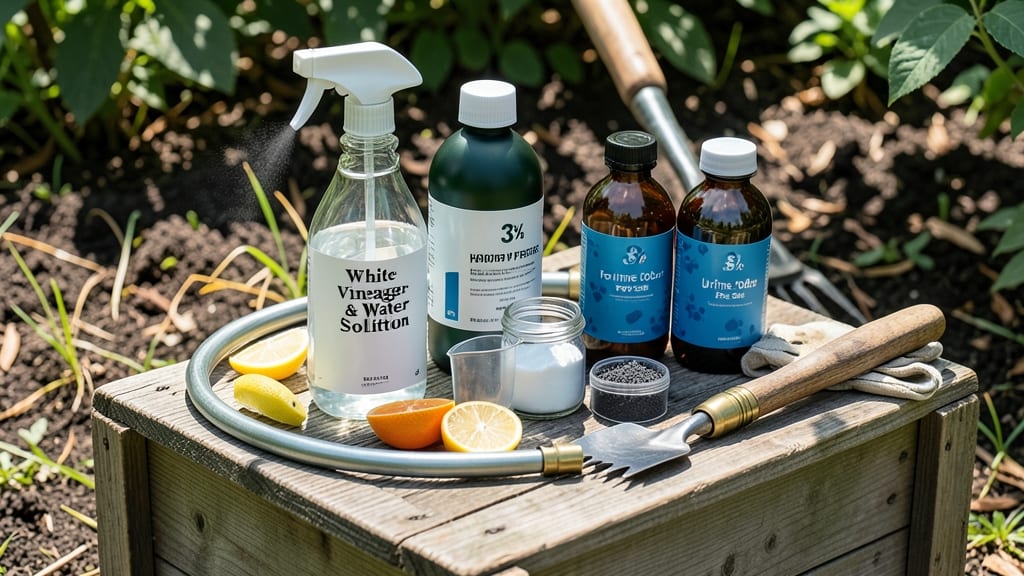
How to get rid of the cat urine smell outside naturally—vinegar and baking soda are your secret weapons. That skunky stench in your garden? A simple vinegar-baking soda blend neutralizes it in hours—no harsh chemicals or pricey enzymatic cleaners needed. This method works because vinegar breaks down uric acid crystals (the real stink culprit), while baking soda absorbs moisture and locks in the fresh scent. No scrubbing, no bleach—just mix, spray, and let nature do the rest. Even stubborn patches disappear after one treatment. You’ll end up with soil that smells like damp earth, not a litter box. The blend is safe for plants, won’t burn roots, and keeps cats from marking the same spot again. Just avoid spraying when plants are in bloom. Prevention is key: sprinkle citrus peels or coffee grounds where cats dig—they hate the smell! For extra protection, lay down gravel or mulch to deter digging in the first place.
📚 In This Guide
- What you need
- Instructions
- Tips and common mistakes
- Wrapping up and next steps
What you need
- ● White vinegar: 1 gallon (or ~3.8 liters) – The star of the show! Opt for 5% acetic acid for best results.
- ● Baking soda: 1 cup (or ~250g) – Neutralizes odors like a champ.
- ● Spray bottle: 1 large (16–32 oz) – For mixing and applying the solution.
- ● Garden hose or watering can: – To rinse the area after treatment.
- ○ Gloves (optional but recommended): – Vinegar can be harsh on skin!
- ● Stiff-bristle brush: – For scrubbing stubborn stains or concrete surfaces.
- ● Enzyme cleaner (pet-safe): – A backup if the vinegar mix doesn’t fully cut it.
- ● Blacklight (UV flashlight): – Helps spot hidden urine spots after dark!
- ● Plastic sheeting: – To protect plants or nearby surfaces while treating.
Step-by-Step instructions for eliminating cat urine smell outside naturally
Here's the straightforward method I've used to banish that stubborn odor for good.
🌱 Step 1: Clear the Area and Identify the Source
Start by removing any debris, leaves, or grass clippings from the affected area. Cats often return to the same spot, so you'll want a clean workspace. Look for dark, discolored patches in the grass or soil—these are your target zones where the urine has concentrated.
If the smell is coming from a specific plant or mulch bed, gently lift the mulch or soil to expose the affected area. You don't need to dig deeply, just enough to access the urine-soaked spots. This step ensures you're treating the root of the problem—not just masking it.
💧 Step 2: Apply the Vinegar-Baking Soda Solution
Mix equal parts white vinegar and water in a spray bottle. Vinegar's acetic acid breaks down the uric acid crystals in cat urine, which are the primary cause of that lingering stench. Spray the solution generously over the affected area until the soil or grass is thoroughly damp—you should see the liquid soaking in.
After the vinegar has had a few minutes to work (about 5-10 minutes), sprinkle a light layer of baking soda over the area. The baking soda neutralizes the remaining odor and absorbs any moisture left behind. Avoid using too much—just enough to cover the surface lightly. Let this sit for at least 15 minutes before moving to the next step.
☀️ Step 3: Rinse and Refresh the Area
Using a garden hose or watering can, rinse the area with clean water to wash away the baking soda residue. This step is crucial because baking soda left behind can alter soil pH over time, which might affect plants in the area. Focus on rinsing until the water runs clear, indicating all the baking soda is gone.
If the area is grass, give it a light mowing afterward to help the blades stand upright and reduce the chance of your cat returning to the same spot. For soil or mulch beds, gently rake the area to restore its natural appearance. This final step ensures the area looks fresh and inviting—less likely to attract your cat back.
✂️ Step 4: Prevent Future Marking with Natural Deterrents
Once the smell is gone, take steps to discourage your cat from returning. Sprinkle a small amount of coffee grounds or citrus peels around the treated area. Cats dislike these scents, and they’ll naturally deter your feline from marking the same spot again. Refresh these deterrents every 2-3 weeks or after rain.
If the area is near a garden bed, consider planting catnip-free herbs like rosemary or thyme. These plants mask the scent of urine and provide a natural barrier. Avoid using commercial deterrents with strong chemicals, as they can harm plants and soil microbes in the long run.
⏰ Step 5: Monitor and Retreat as Needed
Keep an eye on the area over the next few days to ensure the smell doesn’t return. If your cat is a repeat offender, you may need to repeat the vinegar-baking soda treatment every 1-2 weeks until the behavior stops. Consistency is key—cats are creatures of habit, and breaking their marking cycle takes time.
If the smell persists despite your efforts, the urine may have seeped deeper into the soil. In that case, dig down 1-2 inches and apply the vinegar-baking soda solution directly to the soil before rinsing. This deeper treatment ensures the odor is fully eliminated, even in stubborn cases.
Tips & tricks for effective outdoor cat urine removal
These practical strategies will help you tackle even the toughest urine smells with confidence and precision.
Target the Right Spots: In Step 1, focus on those dark, discolored patches—they’re your visual clues to where the urine has concentrated most heavily. Use a flashlight at dusk or dawn to spot these spots more easily, as cats often mark in low-light conditions. This targeted approach means you won’t waste time treating clean areas while missing the problem zones.
Vinegar Application Matters: When you apply the vinegar-water mix in Step 2, don’t be shy—soak the area thoroughly. The key is saturation, not just a light misting. For stubborn patches, you might need to apply the solution twice, waiting the full 5-10 minutes between applications. This ensures the acetic acid fully breaks down those uric acid crystals that cause the smell.
Baking Soda Dosage: In Step 2, a light layer of baking soda is all you need—think of it like dusting powder rather than a snowstorm. Too much can leave residue that alters soil pH or clumps together, making it harder to rinse away completely. After sprinkling, let it sit for the full 15 minutes, even if it seems like nothing is happening. That’s when the magic happens.
Preventative Planting: For Step 4, if you’re planting herbs like rosemary or thyme, place them just outside the treated area rather than directly in it. This creates a natural scent barrier without interfering with your treatment. Plus, these herbs have the added bonus of repelling cats with their strong fragrance, making them a two-for-one solution.
Pro Tips for Get Rid Of Cat Urine Smell Outside Naturally
- These practical strategies will help you tackle even the toughest urine smells with confidence and precision.
- Target the Right Spots: In Step 1, focus on those dark, discolored patches—they’re your visual clues to where the urine has concentrated most heavily.
- Vinegar Application Matters: When you apply the vinegar-water mix in Step 2, don’t be shy—soak the area thoroughly.
Frequently asked questions
Will vinegar and baking soda really eliminate cat urine smell permanently?
The vinegar-baking soda blend breaks down uric acid crystals (the stinky compounds) and neutralizes odors, but permanent results depend on thorough cleaning and preventing future accidents. For stubborn spots, repeat the process 2–3 times or combine with enzymatic cleaners for extra power. Outdoor areas may need more frequent maintenance due to weather exposure.
How long does it take for the smell to disappear after applying the solution?
You’ll notice a difference immediately—the vinegar neutralizes the odor on contact—but full results take 1–2 hours for the baking soda to absorb deep stains. For heavily soiled areas, let the solution sit for 30+ minutes before rinsing. Humid or hot weather speeds up evaporation, so check back sooner if it’s warm outside!
Can I use this method on grass, dirt, or concrete? What’s the best approach for each?
Here’s a quick breakdown:
- Grass/Dirt: Spray the solution, let it soak in, then lightly rake or brush away residue. Avoid over-saturating—too much vinegar can harm plants.
- Concrete/Pavement: Scrub with a stiff brush first, then apply the mix, scrub again, and rinse with water. For cracks, use a spray bottle to reach deep.
- Wooden Decks/Fences: Test a small area first—vinegar can bleach or damage finishes. Opt for a 1:1 water-vinegar mix here.
Why does my cat keep urinating in the same spot outside? How can I stop it?
Cats return to the same spot because of lingering odors (even if you can’t smell them!) or stress. After cleaning, disrupt the scent by sprinkling coffee grounds or citrus peels (cats dislike these). Also:
- Place a litter box nearby (even outdoors) to redirect them.
- Use Feliway diffusers or catnip elsewhere to distract.
- Check for medical issues—frequent urination can signal UTIs or arthritis.
Will rain wash away the solution before it works? Should I wait for dry weather?
Rain can dilute the solution, but the vinegar-baking soda combo is fast-acting—apply it just before a shower is predicted, and it’ll still work! For heavy downpours, use a waterproof spray bottle to reapply. If the area stays wet, let it dry completely before rinsing to maximize effectiveness. Pro tip: Use a tarp to cover treated spots if rain is forecasted within 30 minutes.
Wrapping up and next steps
Say goodbye to stubborn cat urine smells for good! With the right blend of vinegar, baking soda, and a little elbow grease, you can transform that foul odor into fresh air—naturally and affordably. Remember, consistency is key, so don’t hesitate to reapply after rain or heavy traffic. 🌿
Now that you’re armed with these tricks, take action today—your yard (and nose) will thank you! Need more pet-friendly tips? Check out our guide on preventing future accidents to keep your outdoor space smelling clean and inviting.