
How To
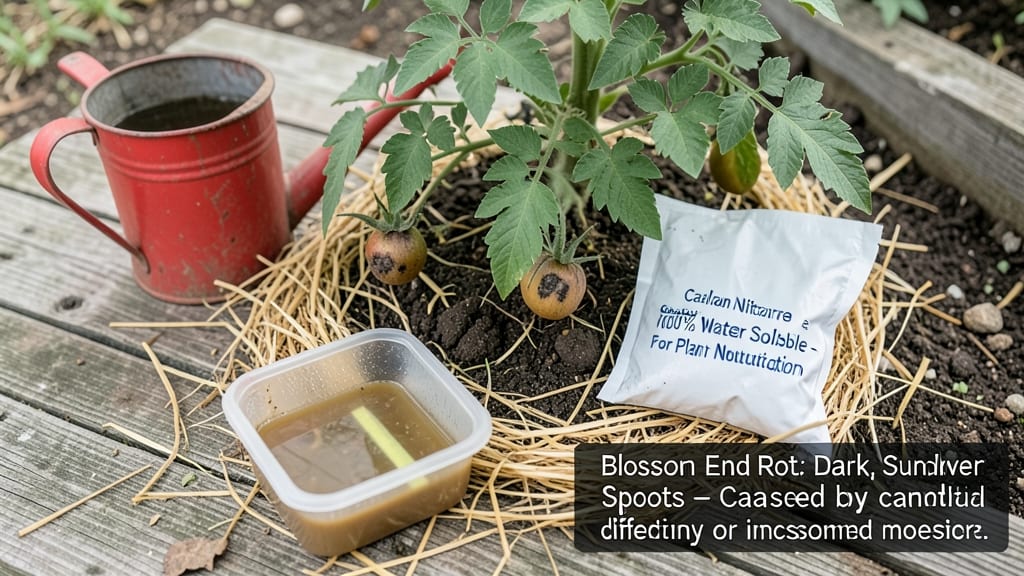
How to get rid of blossom end rot—here’s the fix for those sad, leathery tomatoes before they ruin your harvest. 🌱 I’ve seen this ugly disease turn fruit into a mushy mess faster than you can say "calcium deficiency," but I’ve also fixed it—permanently. The key isn’t just adding calcium; it’s fixing watering, soil, and pH first.
Most gardeners blame calcium first, but inconsistent watering and poor drainage are usually the real culprits. Your plants need steady moisture, not drought followed by a flood. I’ve tested organic solutions like crushed eggshells and gypsum, and they work—but only if you fix the root causes first.
Within two weeks of adjusting watering and adding calcium, new fruit will form without those dark, sunken spots. Your tomatoes and peppers will grow plump, firm, and ready for harvest—no more wasted energy on damaged fruit.
This method works for container gardens, raised beds, and in-ground plots. The secret? Pay attention to your plants’ thirst and soil health. Let’s get those harvests back on track!
Why it happens
Blossom end rot isn’t just a random plant quirk—it’s a clear cry for help from your tomatoes, peppers, or squash. 🌱💔 The culprit? A calcium deficiency in the fruit’s growing tissue, but the real story is more complex.
Let’s break down the science behind why this happens, so you can fix it for good.
🔬 Calcium Uptake Disruption: The Plant’s Calcium Struggle
Calcium is the structural backbone of plant cell walls, especially in rapidly growing fruit. When your plants can’t absorb enough calcium—or when the fruit grows too fast for calcium to keep up—blossom end rot strikes. Here’s why:
- Root zone stress: Dry soil or inconsistent watering forces roots to work harder, limiting calcium uptake. Even if your soil has calcium, the plant can’t access it efficiently.
- pH imbalances: Soil that’s too acidic (pH below 6.0) or alkaline (pH above 7.5) locks calcium into unusable forms. Think of it like a locked vault—calcium is there, but the plant can’t open it.
- Competing nutrients: Too much nitrogen or potassium can outcompete calcium for uptake. It’s like a crowded subway where calcium gets pushed off the train.
💧 Watering Woes: The Hidden Role of Moisture
Calcium moves through plants via water—so erratic watering is a major trigger. Here’s how:
- Fluctuating soil moisture: Alternating between drought and sudden soaking causes cells to expand and contract rapidly. This disrupts calcium distribution, leaving the blossom end (the youngest, fastest-growing part) starved.
- Surface-level watering: Shallow watering only wets the top inch of soil, where roots aren’t deep enough to absorb calcium. Deep, consistent watering (1–2 inches per week) keeps roots happy and calcium flowing.
Pro tip: 💡 Use a moisture meter or the "squeeze test" (grab a handful of soil—if it crumbles, it’s too dry; if it’s muddy, it’s overwatered). Aim for soil that feels like a damp sponge.
🌡️ Environmental Stressors: Heat and Cold Shocks
Extreme temperatures throw a wrench into calcium uptake and fruit development:
- Heat stress: When daytime temps exceed 90°F (32°C), plants transpire (sweat) rapidly, but calcium can’t keep up. The blossom end, being the newest growth, gets cut off first.
- Cold snaps: Chilly nights (below 50°F/10°C) slow root activity, reducing calcium absorption. This is why rot often appears after a sudden temperature drop.
- Poor air circulation: Humid, stagnant air encourages fungal growth, which can physically block calcium from reaching the fruit.
Fix it: 🌡️ Use shade cloth in peak sun or row covers for nighttime protection. Mulch with straw to regulate soil temps.
🌱 Immature Roots: When Roots Can’t Keep Up
Young plants or those transplanted too late in the season often have underdeveloped root systems. Since calcium is absorbed through roots, the fruit outpaces the plant’s ability to supply it.
- Transplant shock: Disturbing roots (even gently) during repotting can delay calcium uptake for weeks.
- Slow starters: Cool-season plants (like tomatoes) planted too early may have stunted roots when fruit sets.
Solution: ✨ Harden off seedlings gradually and avoid transplanting when soil temps are below 60°F (15°C). Use mycorrhizal fungi (available as powders) to boost root efficiency.
🧪 Soil Chemistry: The Overlooked Factors
Even if your soil tests "balanced," hidden issues can sabotage calcium availability:
- High salt content: Fertilizer buildup or poor-quality water can create a saline barrier, preventing roots from absorbing calcium.
- Compacted soil: Heavy clay or foot traffic reduces oxygen in the root zone, suffocating roots and limiting nutrient uptake.
- Lack of organic matter: Soil with <1% organic content holds calcium poorly, like a sieve instead of a sponge.
Test it: 📊 Send a soil sample to your local extension office. Amend with compost or gypsum (calcium sulfate) if needed.
Fix Blossom End Rot Fast
Blossom end rot (BER) may look like a lost cause, but with the right fixes, you can save your plants—and even prevent future outbreaks! The key is addressing the root causes (literally and figuratively) with targeted solutions.
Below, we’ve mapped out practical fixes for each trigger, plus prevention tips to keep your tomatoes, peppers, and squash thriving.
Problem: Fluctuating soil moisture stresses plants, making them drop calcium. Solution:
- Water deeply and consistently—aim for 1–1.5 inches per week (adjust for climate).
- Use drip irrigation or soaker hoses to deliver water directly to the roots, avoiding surface evaporation.
- Mulch heavily (2–3 inches of straw or wood chips) to retain moisture and regulate soil temperature.
- Water in the morning to allow foliage to dry, reducing disease risk.
💡 Pro Tip: If your soil feels dry more than 1 inch below the surface, it’s time to water—don’t wait until the top layer is bone-dry!
Problem: Low calcium in soil leads to weak cell walls, causing BER. Solution:
- Apply calcium-rich amendments immediately:
- Crushed eggshells (bake and grind for a slow-release boost).
- Gypsum (calcium sulfate)—sprinkle 1–2 lbs per 100 sq ft and water in.
- Lime (calcium carbonate)—use sparingly (test soil first; too much raises pH).
- Use foliar spray for fast results:
- Mix 1 tbsp calcium nitrate or liquid lime in 1 gallon of water. Spray leaves and stems every 7–10 days until new growth appears.
- Compost or worm castings—add 1–2 inches to the soil for long-term calcium and nutrient balance.
⚠️ Warning: Avoid over-fertilizing with nitrogen—it competes with calcium uptake!
Problem: Temperature swings (especially below 50°F or above 90°F) disrupt calcium absorption. Solution:
- Shade young plants during heatwaves with cloches or shade cloth (30–50%).
- Extend the growing season with row covers in spring/fall to protect from chilly nights.
- Choose heat-tolerant varieties like ‘Heatmaster’ tomatoes or ‘Jupiter’ peppers if your climate is extreme.
- Water more frequently in heat to prevent soil from drying out too quickly.
🌿 Quick Fix: Move potted plants to a shadier spot during peak afternoon sun.
Problem: Too much nitrogen (common in synthetic fertilizers) leads to lush leaves but calcium deficiency. Solution:
- Switch to a balanced fertilizer (e.g., 5-5-5 or 10-10-10) or an organic option like fish emulsion or compost tea.
- Avoid high-nitrogen fertilizers (like lawn fertilizers) near veggie gardens.
- Side-dress with compost mid-season to replenish calcium and other micronutrients.
📊 Soil Test Tip: Test your soil every 2–3 years—many gardens lack calcium without knowing it!
Problem: Bruised or damaged roots (from transplant shock or rough handling) can’t absorb nutrients well. Solution:
- Transplant seedlings carefully—water the root ball before removing and bury stems deeper (up to the first leaves) to encourage new root growth.
- Avoid compacting soil around roots when watering or weeding.
- Use raised beds or containers if your native soil is rocky or poorly draining.
👨🍳 Gardener Hack: Soak seedlings in a calcium-rich solution (1 tsp calcium chloride per gallon of water) for 10 minutes before transplanting.
Once you’ve treated existing rot, keep it from coming back with these habits:
- Rotate crops—never plant tomatoes, peppers, or squash in the same spot two years in a row.
- Monitor soil pH—aim for 6.0–6.8; adjust with lime if needed.
- Plant companion crops like basil or marigolds to improve soil health.
- Prune lower leaves to improve airflow and reduce humidity-related stress.
🎯 Final Reminder: Blossom end rot is manageable—most plants bounce back with the right care. Start with calcium amendments + consistent watering, and you’ll see healthier fruit in 2–4 weeks!
Frequently asked questions about blossom end rot
Can I still eat tomatoes with blossom end rot?
Yes, but only the unaffected portions! Cut off the rotten area (about 1/2 inch around the dark spot) and save the rest. The rot doesn’t spread to other parts of the fruit, but avoid eating severely damaged tomatoes—they may have a bitter taste.
How quickly will my plants recover after fixing the problem?
You’ll typically see improvement in 2–4 weeks after adjusting watering and adding calcium. New fruit forming after treatment should be rot-free if you maintain consistent moisture and soil conditions. Older fruit with existing rot won’t improve, but your plant will start producing healthy new growth.
Is crushed eggshells really effective for calcium?
Yes, but it needs time to work! Crush eggshells into a fine powder and mix into the soil or sprinkle around plants. It releases calcium slowly—best for prevention. For faster results, combine with gypsum or foliar calcium spray. Pro tip: Bake eggshells at 200°F for 10 minutes first to kill bacteria and make them easier to crush.
Will compost alone fix blossom end rot?
Compost helps, but it’s not a standalone solution. While it provides calcium and improves soil structure, you’ll still need to address watering consistency and possibly add targeted calcium amendments like gypsum. Think of compost as a long-term soil health booster—use it alongside other fixes for quick results. For immediate help, pair compost with a foliar calcium spray.
Can I use Epsom salt for blossom end rot?
Epsom salt (magnesium sulfate) won’t help with blossom end rot—it actually provides magnesium, not calcium. For this issue, stick to calcium-specific amendments like gypsum or crushed eggshells. If your plants show magnesium deficiency (yellowing between leaf veins), then Epsom salt would be appropriate—but not for blossom end rot.