
Companion Plants
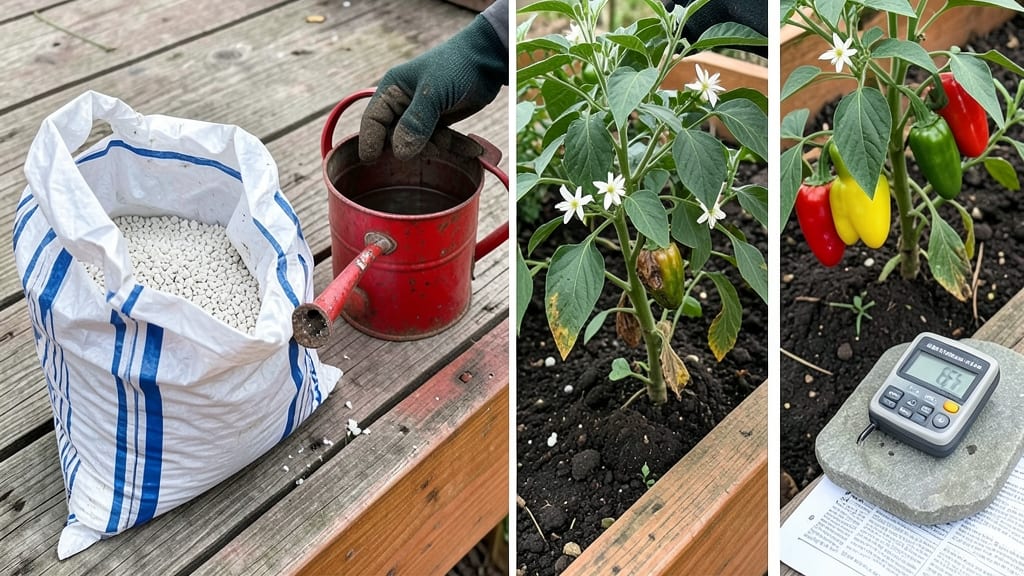
How to fix calcium deficiency in pepper plants—those sad, curled leaves? It’s a common issue, but the good news is you can reverse it fast with a few simple steps. 🌱 I’ve nursed back dozens of plants with these exact methods, and you’ll see improvement within days if you act now. The problem usually starts with pH too high or water too alkaline, locking out calcium. Hard water or over-fertilizing with nitrogen can make it worse. But the good news? You don’t need fancy tools—just a few simple tweaks to get your plants back on track. Crushed eggshells or a light dusting of garden lime (1 tablespoon per plant) works wonders for soil-bound issues. For urgent cases, a foliar spray of calcium nitrate (1 teaspoon per gallon of water) delivers results in 24-48 hours. Just avoid overdoing it—too much calcium can cause its own problems. Prevention is easier than fixing: test your water, balance soil pH, and avoid heavy nitrogen feeds. Once you spot those first crispy edges, act fast—your peppers will bounce back stronger than ever.
Root Causes of Calcium Deficiency
Calcium deficiency in pepper plants—often called blossom-end rot or leaf curl—isn’t just a random setback. It’s a clear signal that something fundamental is off in your plant’s environment or care routine. Understanding the why behind these symptoms is the first step to fixing them fast.
Below, we break down the key culprits causing calcium starvation in your peppers, from soil science to watering habits.
Calcium is a secondary nutrient (not a primary one like nitrogen), meaning plants need it in smaller amounts—but they must have it to thrive. When soil chemistry is imbalanced, calcium becomes locked away or leached out, leaving your peppers starving.
- High Salinity or Sodium Buildup 🧂 Excessive use of salt-based fertilizers (like some synthetic blends) or poor-quality water (hard water with high sodium) disrupts calcium uptake. Sodium ions compete with calcium for absorption sites in roots, effectively blocking your plant from getting what it needs.
- Acidic Soil pH 📉 Pepper plants prefer a slightly acidic to neutral pH (6.0–7.0). If your soil is too acidic (below 5.5), calcium becomes insoluble—meaning the roots can’t access it, even if it’s present.
Test your soil’s pH with a simple kit; if it’s off, lime (calcium carbonate) can help adjust it.
- Poor Soil Structure 🪨 Compacted or clay-heavy soil restricts root growth and oxygen flow. When roots struggle, they can’t efficiently absorb calcium, even if it’s available. Amending soil with compost or perlite improves aeration and nutrient mobility.
Calcium moves through the plant via water transport—so inconsistent watering throws the whole system out of whack.
- Inconsistent Moisture Levels 💧➡️🔥 Pepper plants hate drought stress. When soil dries out completely, roots can’t absorb calcium efficiently. Then, when you suddenly overwater, the sudden influx of water dilutes existing calcium in the soil, making it even harder for roots to take it up.
- Overhead Watering 🌧️🚫 Watering leaves (especially in hot sun) causes calcium leaching—the mineral washes away before roots can absorb it. Always water at the base to maximize uptake.
- Frequent Heavy Rain or Overwatering 🌊 Excess water flushes calcium out of the root zone faster than roots can absorb it. If your peppers are in pots, ensure drainage holes are present to prevent soggy soil.
Sometimes, other nutrients outcompete calcium or create deficiencies that mask its lack.
- Excess Nitrogen (The Classic Thief) 💥 Too much nitrogen (common in fast-acting fertilizers) speeds up growth but starves roots of calcium. The plant prioritizes leafy growth over fruit development, leading to blossom-end rot in peppers. Use a balanced fertilizer (e.g., 10-10-10) and avoid heavy nitrogen spikes.
- Potassium or Magnesium Overload ⚖️ These minerals compete with calcium for uptake. If your soil is rich in potash (potassium) or Epsom salt (magnesium), calcium gets crowded out. A soil test can reveal these imbalances.
- Phosphorus Lockout 🔒 High phosphorus levels (from bone meal or superphosphate) can bind calcium in the soil, making it unavailable. If you’ve recently amended soil with phosphorus-heavy fertilizers, calcium supplements may be needed.
Even with perfect soil, environmental factors can sabotage calcium uptake.
- Extreme Temperatures (Too Hot or Cold) ❄️☀️ Cold soil (below 50°F/10°C) slows root activity, halting calcium absorption. Meanwhile, intense heat increases transpiration (water loss), but roots can’t keep up with calcium delivery to growing tissues.
- Poor Root Health (Fungal or Bacterial Issues) 🍄🦠 Root rot (from overwatering) or fungal infections damage root hairs—the tiny structures that absorb calcium. Healthy roots = efficient calcium uptake. If roots are compromised, foliar sprays become a critical backup.
- Transplant Shock or Root Damage 🌱💔 Disturbing roots during transplanting (even gently) can temporarily halt calcium absorption. New roots take time to regrow and re-establish nutrient uptake. Use root stimulators or calcium-rich compost tea post-transplant to aid recovery.
Not all pepper varieties handle calcium stress equally.
- Sensitive Varieties (Like Bell Peppers) 🌶️🚨 Some peppers (especially bell peppers) are more prone to blossom-end rot due to their high fruit demand for calcium. If you’re growing these, proactive calcium management is a must.
- Slow-Growing or Stressed Plants 🐢😵 Plants under stress (from pests, disease, or poor light) prioritize survival over fruit development, leaving calcium-deficient symptoms unchecked. Address the root cause (literally!) before supplementing.
Calcium deficiency in peppers is almost always a symptom of deeper issues—whether it’s soil chemistry, watering habits, nutrient competition, or environmental stress. The good news?
Once you identify the root cause, fixing it is straightforward. Next up: We’ll cover quick fixes to restore calcium balance in your plants—some you can do in hours, others that require a few days of diligent care. 🚀
Quick Fixes for Calcium-Starved Peppers
Now that you know the why behind calcium deficiency in your pepper plants, let’s roll up our sleeves and tackle the how. These solutions are practical, budget-friendly, and designed to get your plants back on track—fast.
Whether your peppers are showing the classic signs of blossom-end rot, weak stems, or stunted growth, these fixes will help restore balance and keep your plants thriving.
If your soil is the root of the problem (literally!), the solution lies in amending it with calcium-rich sources. Here’s how:
🔥 Use Calcium-Rich Amendments
Add crushed eggshells, gypsum (calcium sulfate), or lime to your soil.
These are slow-release calcium sources that won’t burn your plants. - Crushed eggshells: Bake and grind them into a fine powder, then mix into the top 2–3 inches of soil. Pro tip: 💡 Sprinkle them around the base of plants weekly for a gradual boost. - Gypsum: Works faster than lime and won’t alter soil pH. Apply 1–2 pounds per 100 square feet and water thoroughly. - Lime: Use sparingly (especially in acidic soils).
A light dusting around the base every few weeks keeps calcium levels steady.
🍳 Calcium-Infused Watering
For an immediate fix, dissolve 1 teaspoon of calcium chloride or Epsom salt (magnesium sulfate) in a gallon of water and use it to water your plants.
Repeat every 7–10 days until symptoms improve. Warning: ⚠️ Avoid overdoing it—too much calcium can lock out other nutrients like magnesium.
Poor watering habits (either too much or too little) can leach calcium out of the soil or prevent roots from absorbing it. Here’s how to correct it:
👨🍳 Consistent Watering Schedule
Pepper plants need deep, infrequent watering—about 1–1.5 inches per week.
Use a drip irrigation system or water at the base (not the leaves) to avoid washing away nutrients. - Morning watering is best—it reduces evaporation and fungal risks. - Mulch heavily (with straw or wood chips) to retain moisture and prevent calcium loss.
🌡️ Avoid Temperature Swings
Extreme heat or cold can stress roots, making them less efficient at absorbing calcium. If your garden experiences hot afternoons or cold nights, provide shade cloth or row covers to stabilize conditions.
Strategic planting can naturally boost calcium availability.
Pair your peppers with: - Legumes (beans, peas): Fix nitrogen in the soil, improving overall plant health. - Marigolds or nasturtiums: Repel pests that might stress your peppers, reducing nutrient demand. - Basil or oregano: Act as living mulches, retaining soil moisture and calcium.
Avoid planting near tomatoes or potatoes—they compete for calcium and can worsen deficiency.
Once your peppers are back on track, keep them healthy with these long-term strategies:
📊 Soil Testing & Maintenance
Test your soil every 1–2 years (or when issues arise). A simple home test kit or lab analysis will tell you if calcium levels are consistently low. Adjust with amendments as needed.
💪 Balanced Fertilizer Routine
Use a balanced fertilizer (10-10-10 or 5-5-5) every 4–6 weeks during the growing season. Avoid high-nitrogen fertilizers—they can starve plants of calcium by promoting rapid (but weak) growth.
✨ Organic Boosts
- Compost tea: Brew a batch with worm castings or compost and use it as a foliar spray or soil drench.
It introduces beneficial microbes that help roots absorb calcium. - Banana peels: Bury chopped peels near plants—they release potassium and calcium as they decompose.
If your peppers are already showing blossom-end rot or dieback, act fast:
- Prune damaged fruit (but leave healthy flowers/fruit to save the harvest).
- Fertilize with a calcium nitrate solution (1 tbsp per gallon of water) and water deeply.
- Apply a foliar spray with calcium chloride (1 tsp per gallon) every 3–4 days until new growth appears.
Final Tip: 🎯 Patience is key! Some symptoms (like blossom-end rot) may not reverse, but new growth will be stronger. Monitor your plants closely, and adjust as needed—your peppers will thank you with crisp, vibrant produce in no time!
Frequently asked questions
Why do my pepper plants get calcium deficiency even when I fertilize regularly?
Too much nitrogen in fertilizers can actually block calcium uptake by promoting rapid growth that roots can't keep up with. Use a balanced fertilizer (10-10-10) instead of high-nitrogen blends, and avoid over-fertilizing. Also check your water source—hard water with high sodium can compete with calcium absorption.
Can I use crushed eggshells right away to fix calcium deficiency?
Not quite! First bake and grind eggshells into a fine powder to kill any bacteria, then mix into soil or sprinkle around plant bases. It takes 4-6 weeks for the calcium to fully release, so combine with faster-acting solutions like calcium nitrate for immediate results.
How often should I apply calcium supplements to prevent deficiency?
For maintenance, apply calcium-rich amendments like gypsum or lime every 4-6 weeks during growing season. For active deficiency, use foliar sprays every 3-4 days until symptoms improve, then switch to monthly preventative treatments. Always water thoroughly after application.
Will fixing calcium deficiency save my existing pepper fruit?
Unfortunately, established symptoms like blossom-end rot won't reverse on current fruit. However, new growth will be healthy! Prune affected fruit to redirect energy to developing peppers. The fix focuses on preventing future issues and strengthening stems for better support.
Can I overdo calcium supplements for my pepper plants?
Yes—too much calcium can lock out magnesium and other nutrients. Stick to recommended doses (like 1 tsp calcium chloride per gallon) and monitor plant health. Signs of excess include yellowing between leaf veins. If this happens, flush soil with plain water and reduce future applications.